
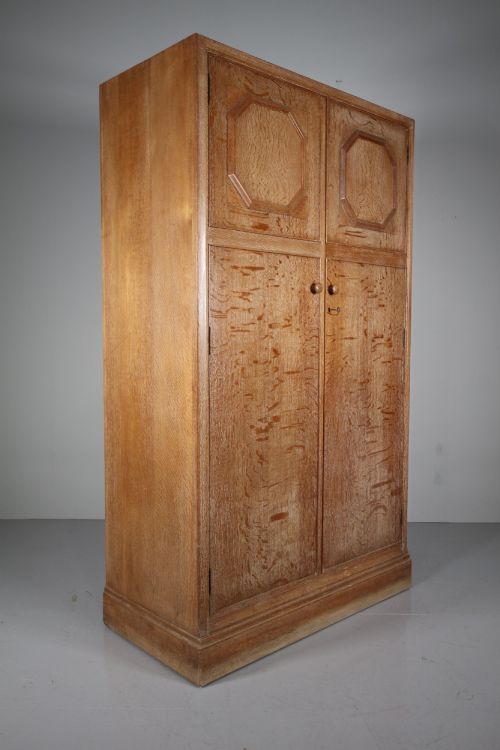
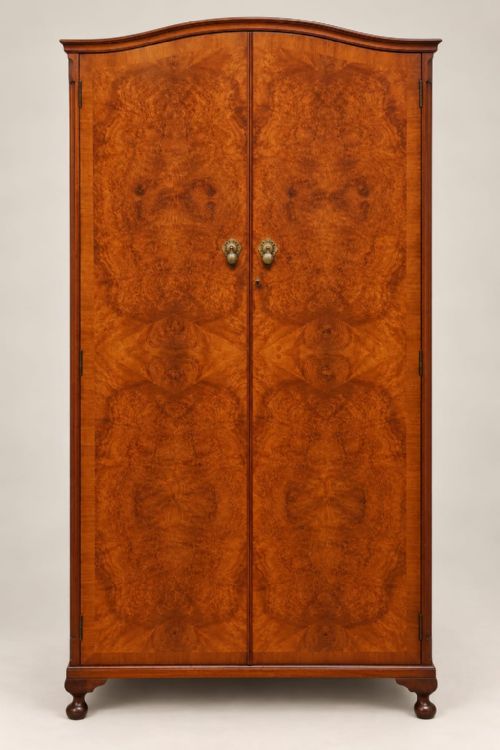
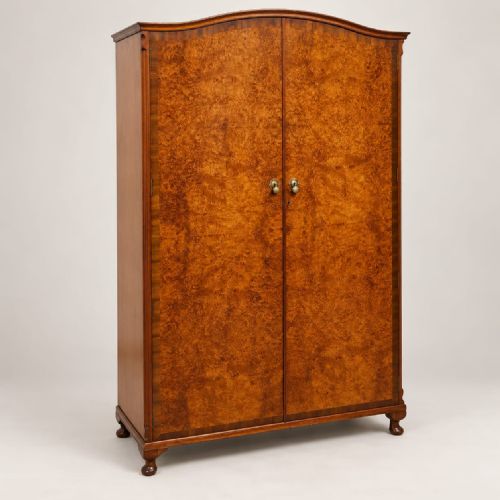
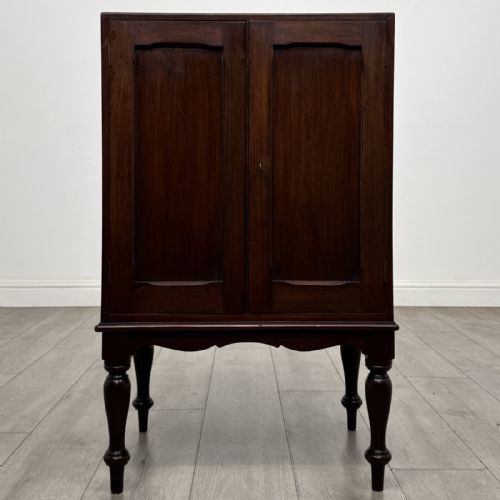
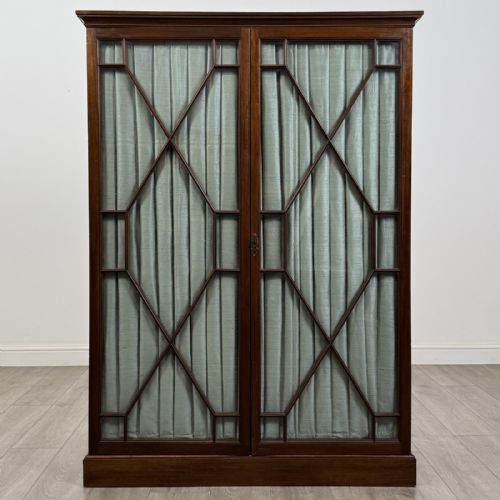
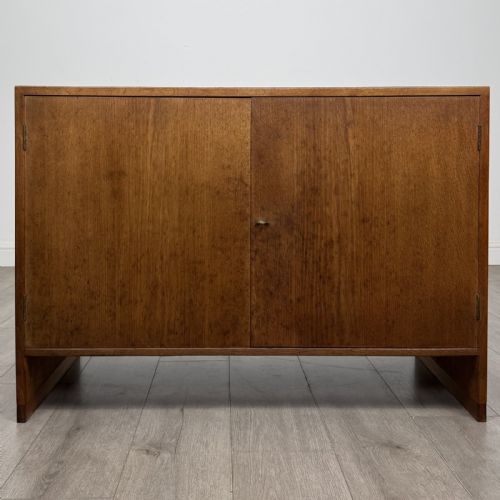
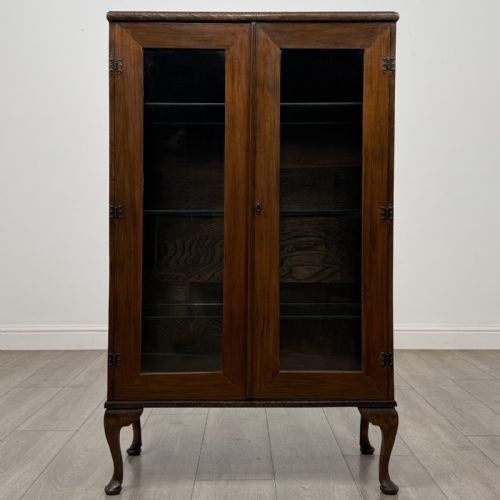
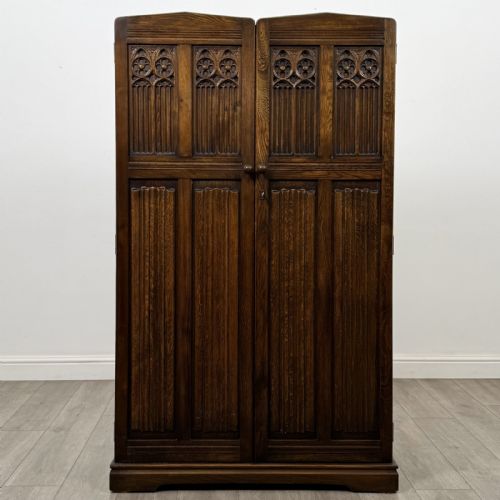
Vintage Two Door Cupboard
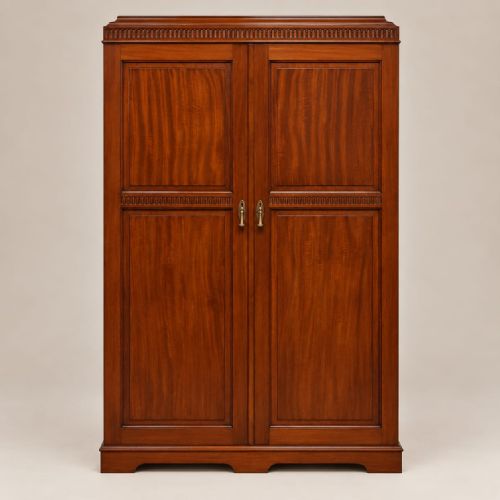
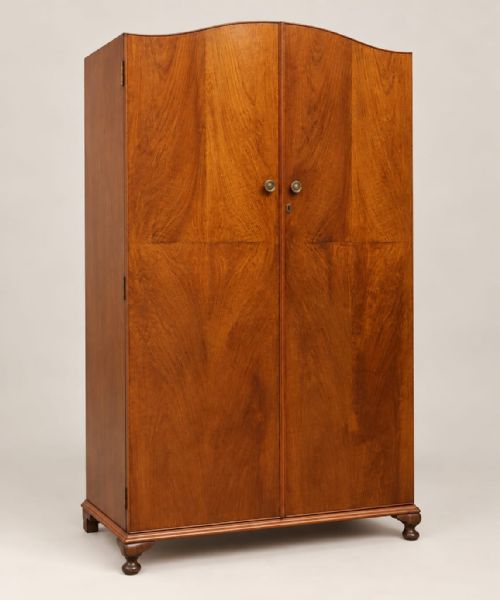
A vintage two door cupboard brings practical storage and period character to a room, ranging from simple painted pine to figured mahogany.
Vintage Two Door Cupboard
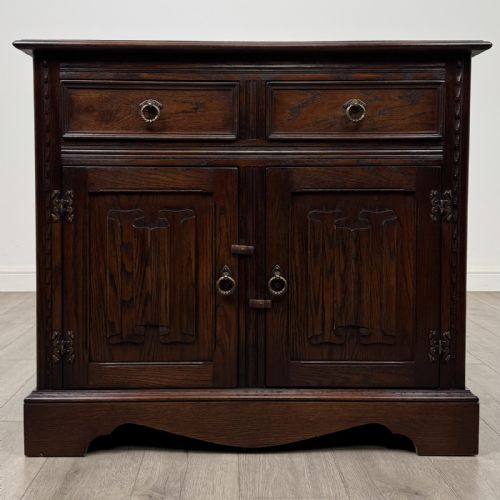
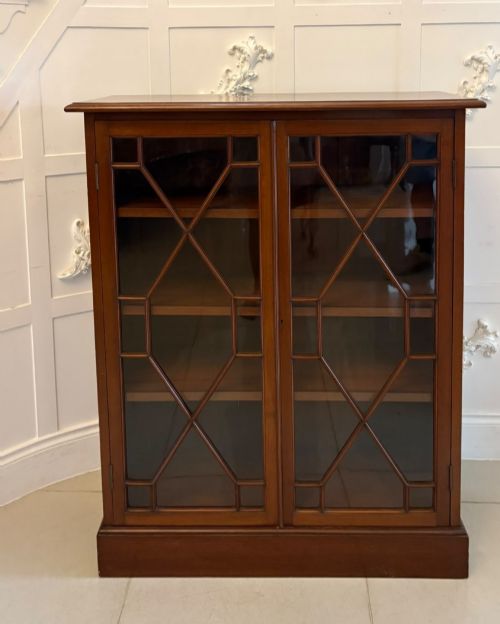
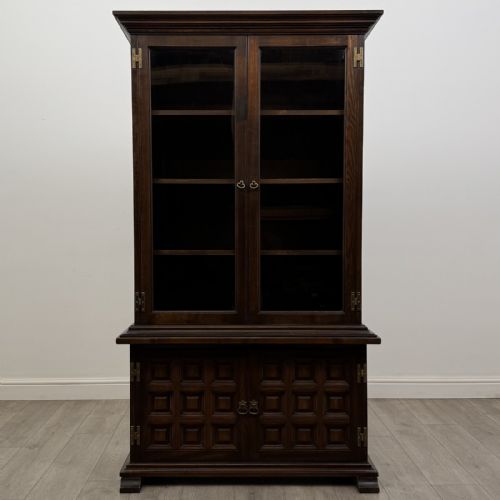
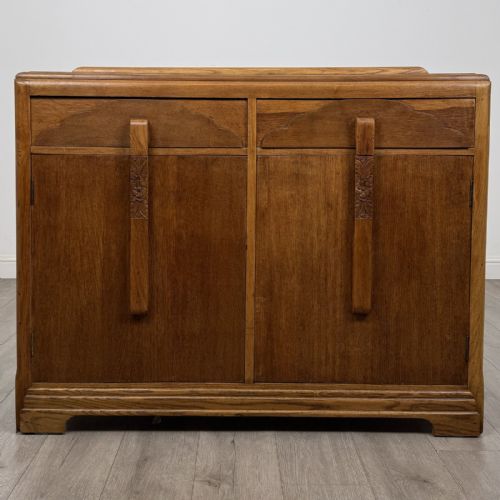
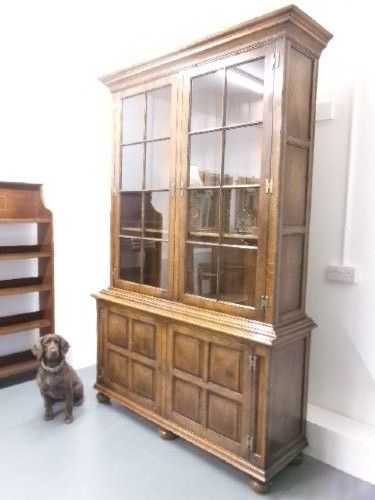
A vintage two door cupboard provides enclosed storage through a pair of doors, appearing across various forms including side cabinets, low cupboards, and larger kitchen pieces. Buyers seeking a vintage two door cupboard will encounter items dating from the nineteenth century through to the 1930s, spanning periods like the Victorian and Edwardian eras.
The materials span from local timbers such as oak and pine to imported hardwoods like mahogany and walnut. Construction styles reflect regional traditions and workshop practices of the nineteenth and early twentieth centuries, incorporating brass hardware and occasionally glass panels.
Simpler iterations utilise stained or painted pine for utility rooms and kitchens, while formal reception rooms often received polished mahogany or golden oak examples. These pieces served diverse domestic functions, from linen storage to displaying books and tableware.
Materials and construction methods
Cabinet makers built these cupboards using solid timbers such as oak, pine, and mahogany, frequently applying veneers of burr walnut or flame mahogany to primary surfaces. Drawer linings and secondary elements often employ pine or oak, joined with traditional methods appropriate to the period.
Surface treatments vary widely from waxed or polished finishes that highlight natural grain to painted and ebonised treatments. Brass handles, hinges, and escutcheons complete the hardware, reflecting the aesthetic preferences of Victorian, Edwardian, and later twentieth-century makers.
Listings feature woods including mahogany, oak, pine, walnut, and rosewood alongside painted and ebonised finishes.
Distinctions in quality
Quality rests upon the selection of timber and the precision of the cabinet work, where figured veneers and solid hardwood frames distinguish finer examples from utility pine pieces. The integrity of the original construction, including the fit of the two doors and the retention of period brass hardware, marks the standard of the piece.
Proportion and decorative restraint also separate standard workshop output from exceptional examples, such as those exhibiting regional craftsmanship or sophisticated carving. The condition of the finish, whether original polish or historic painted surfaces, influences the overall character.
The Vintage Two Door Cupboard Glossary
- Chiffonier
- A low sideboard or cabinet featuring a two-door cupboard beneath a drawer or open shelf, popular during the nineteenth century.
- Linen Press
- A tall piece of furniture comprising a two-door upper section enclosing sliding trays or shelves, positioned above drawers.
- Glazed
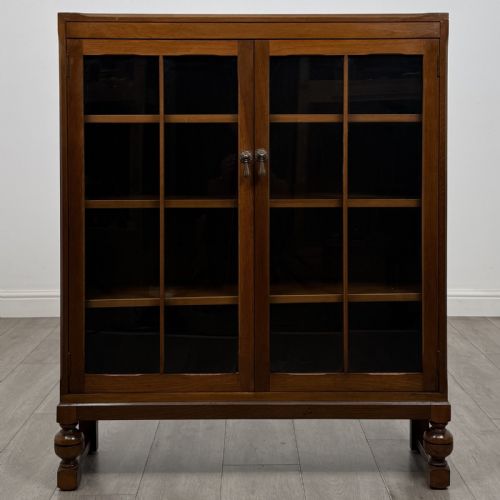
- Fitted with glass panels in the doors to allow the display of books or china within the cabinet.
- Bun Feet
- Short, rounded feet turned from solid wood, frequently found supporting Victorian cabinets and sideboards.
- Compactum
- A large fitted wardrobe or combination wardrobe designed to maximise internal storage capacity in a relatively compact footprint.
Vintage Two Door Cupboard: Frequently Asked Questions
How do I date a vintage cupboard?
Dating relies upon timber selection, construction methods, and hardware styles characteristic of periods from the nineteenth century to the 1930s. Secondary woods and joinery details often reveal the era of manufacture.
Stylistic cues such as Victorian bun feet or Edwardian golden oak finishes further help narrow the decade of production.
What is the difference between oak and mahogany cupboards?
Oak cupboards tend to reflect rustic, country, or Arts and Crafts origins, showcasing prominent grain patterns and robust construction. Mahogany pieces typically belong to formal urban traditions, featuring reddish tones and finer polished surfaces.
Both timbers provide durability, but their aesthetic impact on a room differs significantly.
Are painted cupboards original?
Many pine cupboards and kitchen pieces received coats of paint during their working lives, which constitutes part of their historic patina. Some formal pieces retain ebonised or decorated finishes applied by the original workshop.
Distinguishing between historic working paint and later decorative layers requires close inspection of the surface wear.
How should I care for a waxed wood finish?
Maintaining a waxed surface involves occasional application of appropriate beeswax followed by gentle buffing with a soft cloth. This preserves the moisture in the timber and maintains a soft lustre.
Avoiding direct sunlight and excessive heat protects the wood from drying out or warping over time.