






Vintage Trinket Bowls
These vintage trinket bowls range from silver-lidded glass jars to ceramic powder boxes, offering small, decorative storage for dressing tables.
Vintage Trinket Bowls
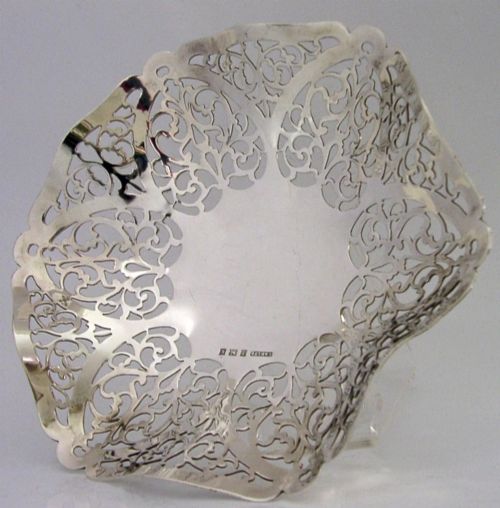
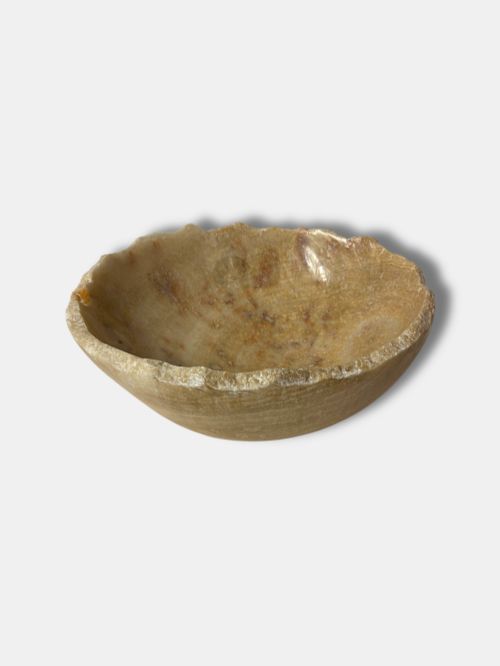
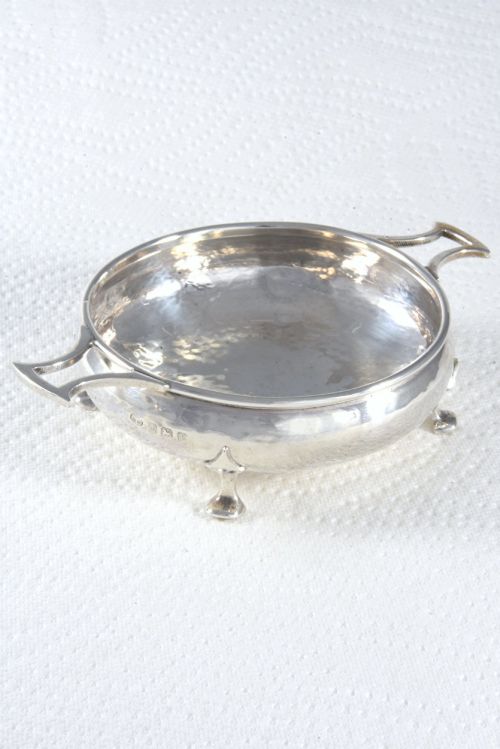
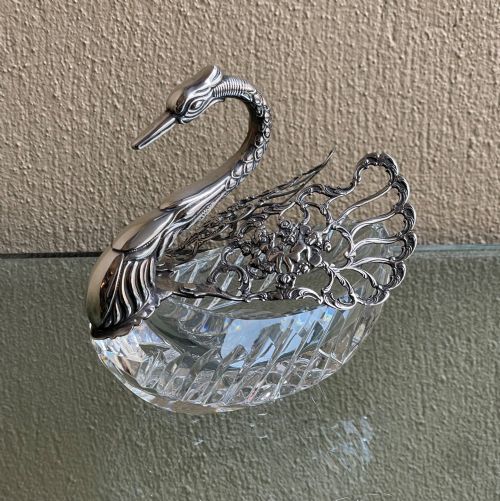
When searching for vintage trinket bowls, collectors encounter diverse containers designed for dressing tables, dressing rooms, and sideboards. These encompass lidded glass jars, small porcelain dishes, sterling silver bonbon bowls, and novelty vessels intended to hold small personal items.
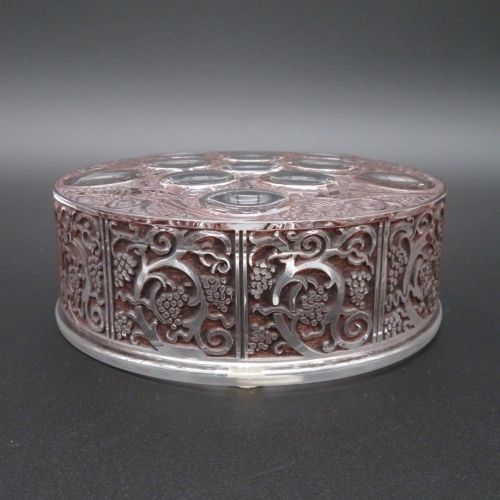
The versions most frequently met on this page include Art Deco ceramic powder boxes topped with half-doll figures, Edwardian cut glass jars fitted with silver lids, and small Japanese Imari bowls. Pieces originate from various European and international makers spanning the Victorian era through the mid-twentieth century.
Forms serve practical functions alongside decorative display, shifting from powder bowls and vanity jars to pin dishes and small baskets. Their scale suits the dressing table or mantelpiece, utilising materials that catch ambient light in domestic interiors.
How they were made
The physical construction combines metals, glass, ceramics, and enamels manipulated through established manufacturing traditions. Silversmiths formed sterling silver and silver-plated mounts, often incorporating hallmarks, repoussé work, and tortoiseshell inserts.
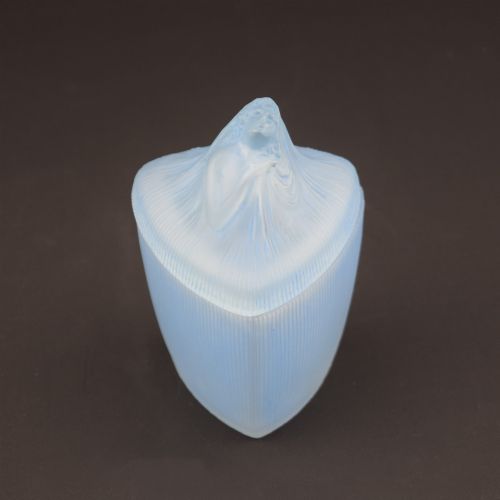
Glassmakers utilised cut glass, pressed crystal, and coloured opaline glass, frequently pairing the transparent bodies with solid metal lids. Ceramic pieces involve porcelain and earthenware bodies finished with coloured glazes, hand-painted motifs, and applied enamel details.
Vintage Trinket Bowls Retail Price Guide 2026
Typical asking prices for vintage trinket bowls among the pieces listed under this phrase on Sellingantiques today, from the lower quarter to the upper quarter. They describe what is for sale here now, not the wider market.
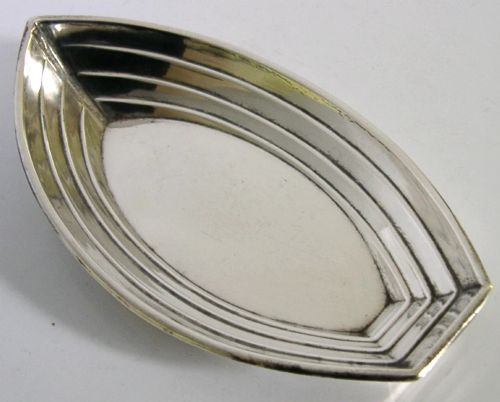
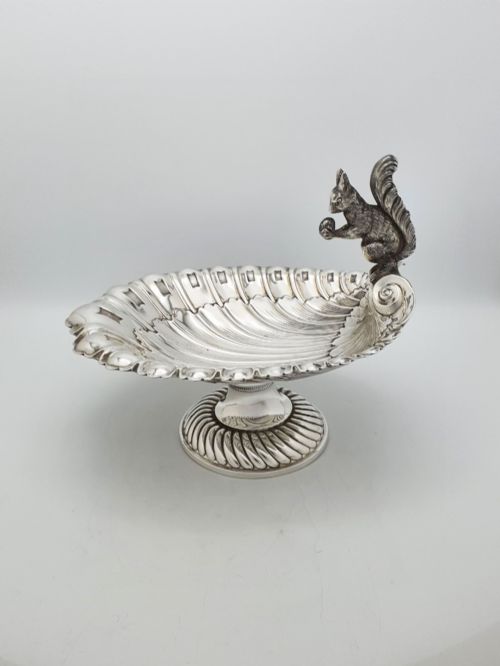
Object forms vary widely, encompassing lidded powder jars, handled bonbon dishes, novelty rowing boat vessels, and scalloped opaline glass shells.
What varies in quality
Quality separates through the crispness of the casting in metal mounts, the depth of cut glass facets, and the precision of hand-painted ceramic enamels. Finer examples display balanced proportions between the glass or ceramic body and the fitted metal cover.
Artistic execution distinguishes standard production items from studio pieces or works bearing identifiable maker attributions. The preservation of delicate elements such as applied enamel, gilding, and intricate half-doll figures dictates the standing of individual pieces.
Wallace·Rene Lalique·Paul Müller Selb·Wedgwood·Henry Williamson Ltd·Moorcroft·Royal Worcester
The Vintage Trinket Bowls Glossary
- Bonbon dish
- A small open bowl designed specifically for holding sweets or confectionery. These often feature decorative silver openwork or handled rims.
- Powder box
- A vanity container used for holding cosmetic face powder, typically comprising a rounded ceramic or glass bowl with a matching lid.
- Imari
- A style of Japanese export porcelain characterised by underglaze blue and iron-red overglaze decoration, frequently highlighted with gilt.
- Hallmark
- An official stamp applied to precious metals indicating the standard of purity, the assay office, and the year of testing.
- Half-doll
- A ceramic upper torso figure used primarily as a decorative lid for powder jars and perfume sets during the early twentieth century.
Vintage Trinket Bowls: Frequently Asked Questions
What were vintage trinket bowls used for?
These vessels served functional roles on dressing tables and sideboards to contain small personal items such as pins, rings, hair accessories, and face powder. Lidded jars protected delicate cosmetics from dust while open dishes provided easy access for sweets or calling cards.
Over time, their usage shifted from purely utilitarian dressing room accessories to decorative cabinet pieces and collector displays within domestic interiors.
How do I date an antique trinket box?
Dating relies primarily upon official silver hallmarks stamped onto metal mounts, which reveal the exact year and assay office of production. Stylistic indicators, such as geometric Art Deco lines or floral Edwardian motifs, provide broader chronological brackets.
Maker marks, ceramic backstamps, and the specific composition of the glass or porcelain further narrow the period of manufacture.
Are silver lids marked with hallmarks?
Most British silver lids and mounts carry clear hallmark stamps denoting the metal standard, city of assay, and date letter. American and continental pieces often feature maker marks or purity stamps such as sterling.
Examining these stamped impressions allows collectors to trace the origins and fabrication date of the metal components.
How should I clean glass and silver bowls?
Silver components benefit from gentle cleaning with a specialised non-abrasive cloth to preserve the patina and avoid damaging surrounding enamel or glass. Glass and ceramic bodies require warm soapy water and a soft cloth without harsh scrubbing.
Care must be taken around applied enamels, tortoiseshell, and delicate painted surfaces to prevent lifting or scratching.