

Vintage Tray
A vintage tray brings both utility and distinct historical character to a room, functioning equally well for serving drinks or displaying objects.
Vintage Tray
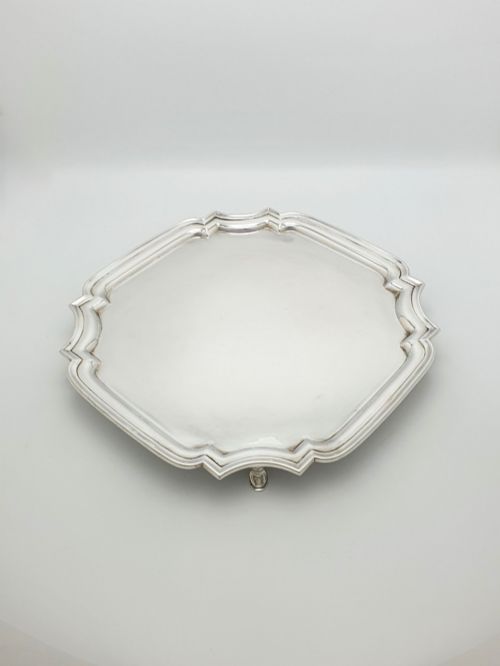
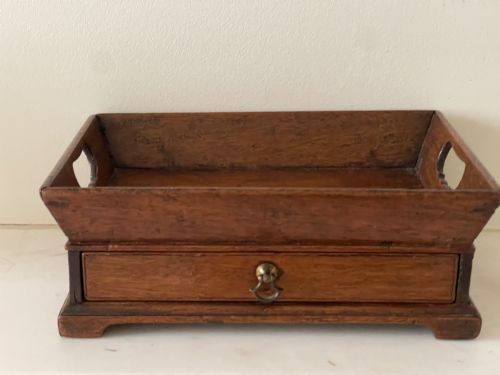
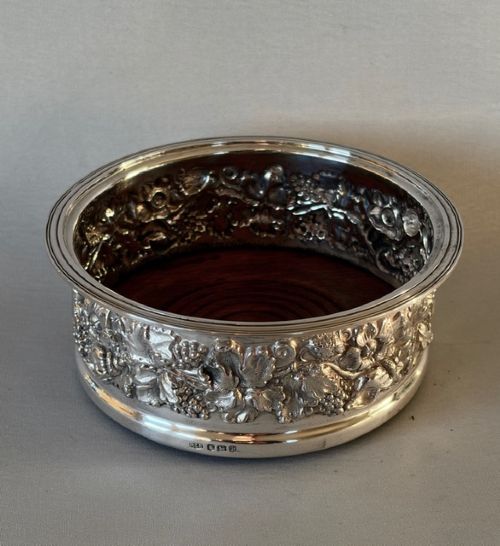
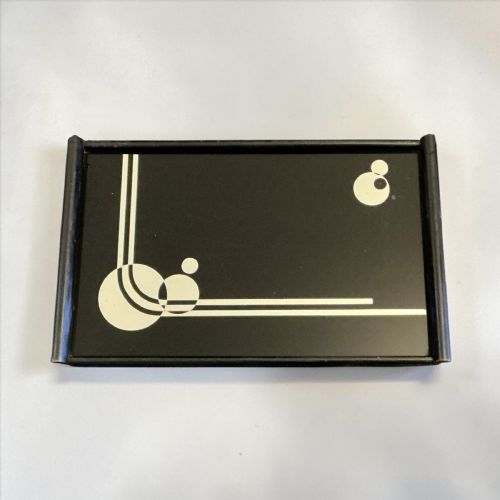
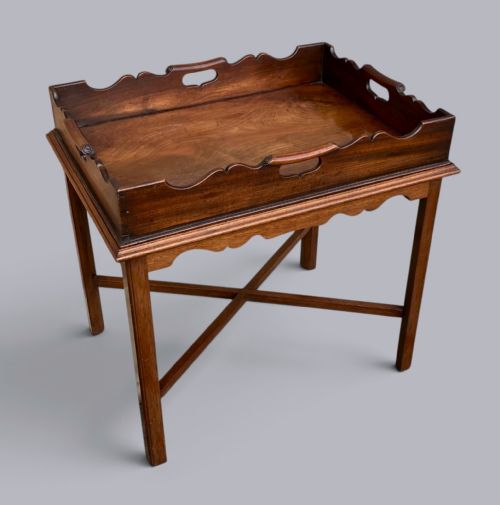
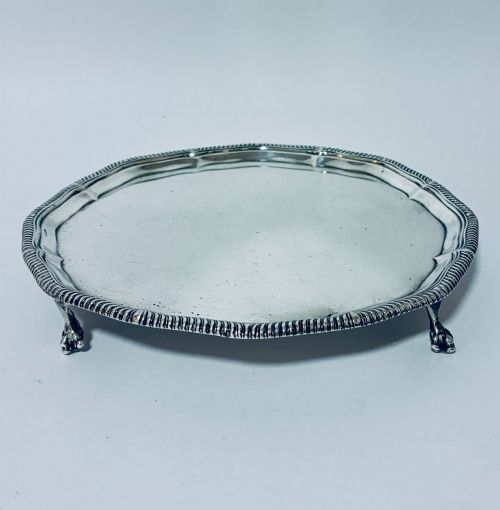
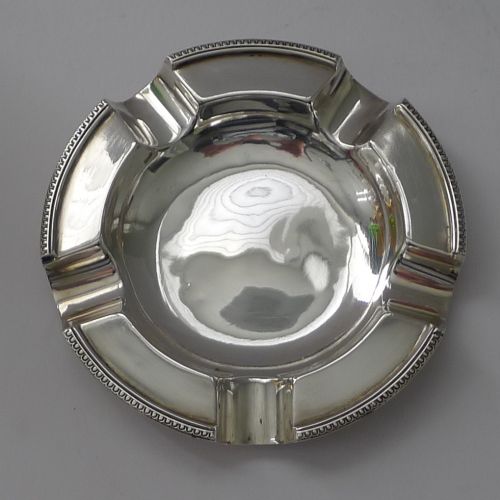
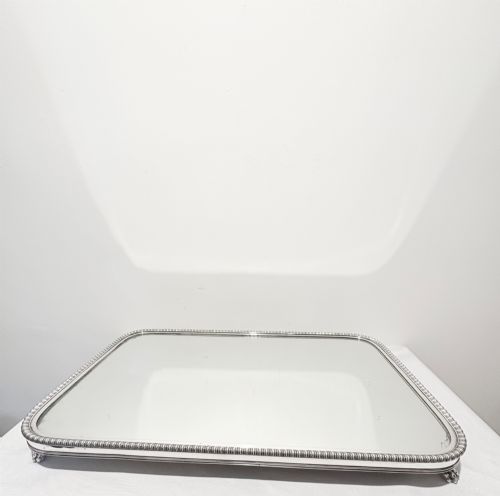
When you search for a vintage tray, you encounter pieces spanning from the nineteenth century through the mid-twentieth century, encompassing periods like the Edwardian era, the 1920s, and the 1930s. The forms available range from silver-plated butler trays and octagonal serving pieces to papier-mâché and brass wall chargers.
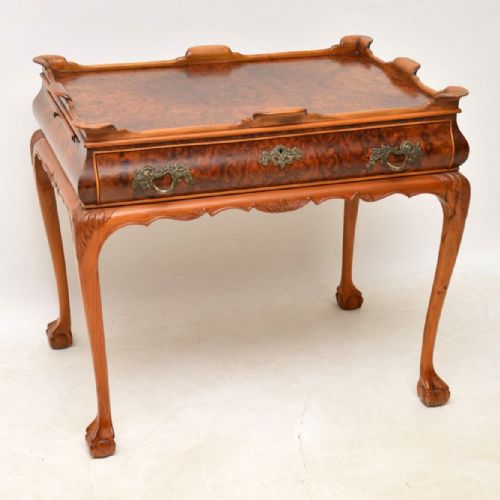
Makers and origins vary widely, featuring English silversmiths, Parisian ateliers such as Christofle, and Kashmiri or Indian craftsmanship. Many items combine portability with display, appearing on stands or functioning as removable sections of tea trolleys and coffee tables.
The selection reflects diverse domestic needs across past decades, shifting from formal silver service to decorative cocktail preparation. Buyers meet both traditional mahogany framework and more exotic materials depending on the specific period.
Materials and construction
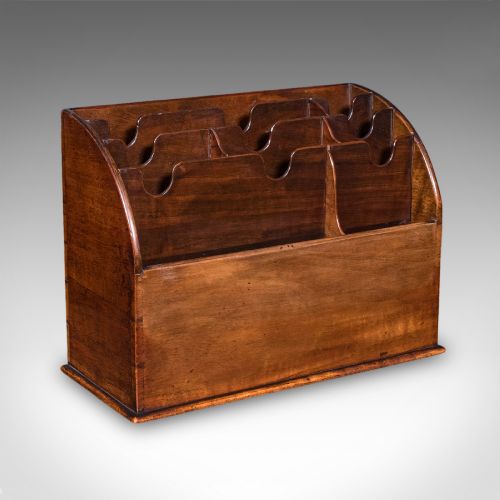
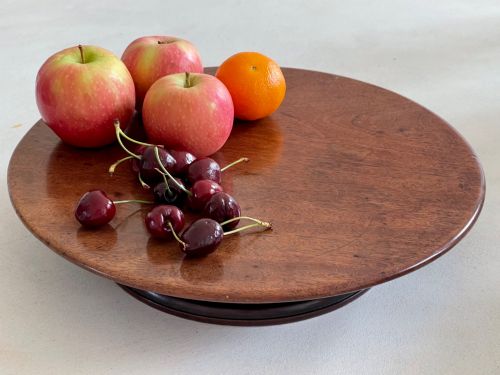
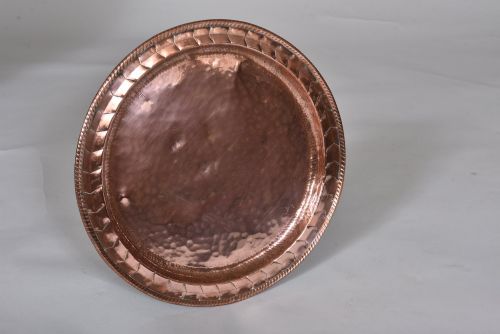
Makers utilised traditional timbers like mahogany, walnut, and oak alongside metals including brass, copper, silver plate, and cast iron. Papier-mâché and wicker rattan also appear, particularly in pieces originating from the nineteenth and early twentieth centuries.
Techniques range from hand engraving on brass wall chargers and intricate papier-mâché painting to silver plating by firms such as Elkington and Christofle. Structural integrity relies on secure joinery in wood pieces and durable metalworking for framed galleries and handles.
Vintage Tray Retail Price Guide 2026
Typical asking prices for vintage tray among the pieces listed under this phrase on Sellingantiques today, from the lower quarter to the upper quarter. They describe what is for sale here now, not the wider market.
Listings feature items spanning the 1880s to the 1960s, constructed from mahogany, brass, silver plate, oak, and papier-mâché.
Factors that distinguish quality
The standard of a piece depends heavily on the crispness of detail in engraved motifs, the weight and uniformity of silver plating, and the structural stability of the timber frame. Fine examples exhibit deliberate craftsmanship in handles, galleries, and surface finishes.
Provenance and maker attribution elevate certain items, as seen in fully hallmarked silver or documented output from established Parisian and English workshops. Inferior examples show uneven wear, diminished plating, or poorly secured joints.
Orfèvrerie Christofle Paris·Christofle Gallia Paris·Asprey London·Elkington and Co·Emile Viner
The Vintage Tray Glossary
- Butler tray
- A portable serving tray featuring hinged or fixed sides, frequently paired with a folding wooden stand.
- Papier-mâché
- A composite material made from paper pulp or layers of paper bound with glue, often lacquered and painted.
- Gallery
- A raised decorative border surrounding the edge of a tray or table to prevent items from sliding off.
- Tazza
- A small pedestal cup or shallow dish used for serving fruit or small items.
- Comport
- A decorative dish raised on a standard or foot, designed for serving fruit or sweetmeats at a table.
Vintage Tray: Frequently Asked Questions
How do I clean an antique silver plated tray?
Clean silver-plated items gently using a non-abrasive silver polish and a soft microfiber cloth to preserve the underlying plating.
Avoid soaking pieces with wooden elements or felt backing in water to prevent warping or structural damage.
Are these trays suitable for daily use?
Many solid wood and metal trays function reliably for serving drinks or holding everyday items if handled with reasonable care.
Fragile materials like papier-mâché or delicate silver plate require careful placement to avoid surface scratching or moisture damage.
What is the difference between a butler tray and a standard tray?
A butler tray typically includes integrated handles or folding sides designed to rest securely on a dedicated folding wooden stand.
Standard trays remain flat and portable, intended for carrying items between rooms without a matching support base.
How can I date an older tray?
Dating relies on examining material composition, manufacturing techniques, hallmark stamps on silver, and stylistic cues from periods like the Edwardian era or the 1930s.
Comparing construction methods against known examples from specific decades helps narrow down the origin.