





Vintage Toy Figures
These vintage toy figures bring character to a room, spanning carved wooden horses, painted soldiers and mechanical novelties from past centuries.
Vintage Toy Figures
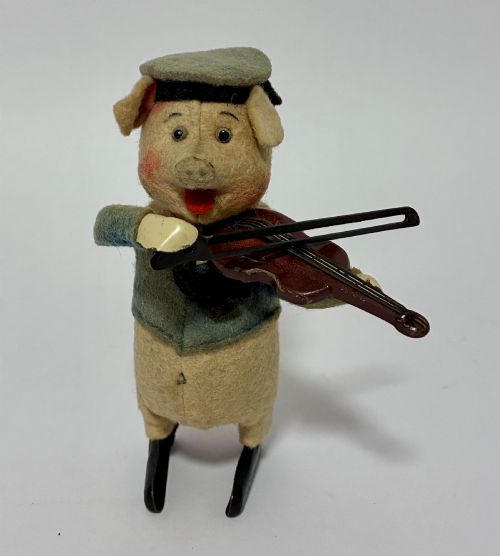
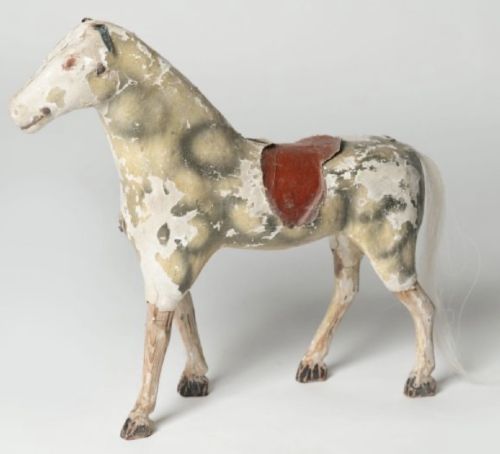
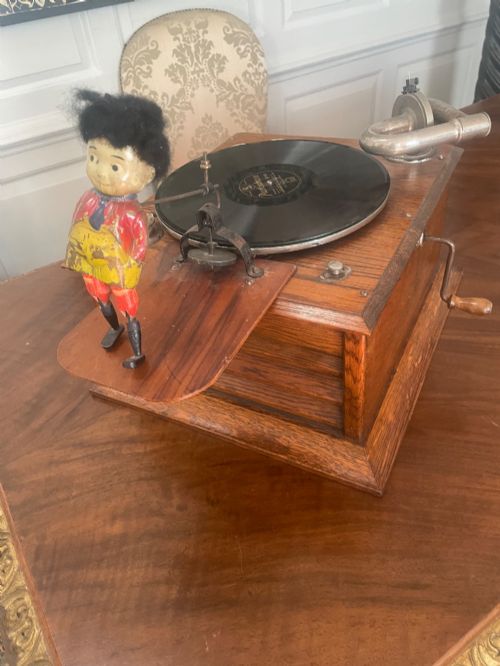
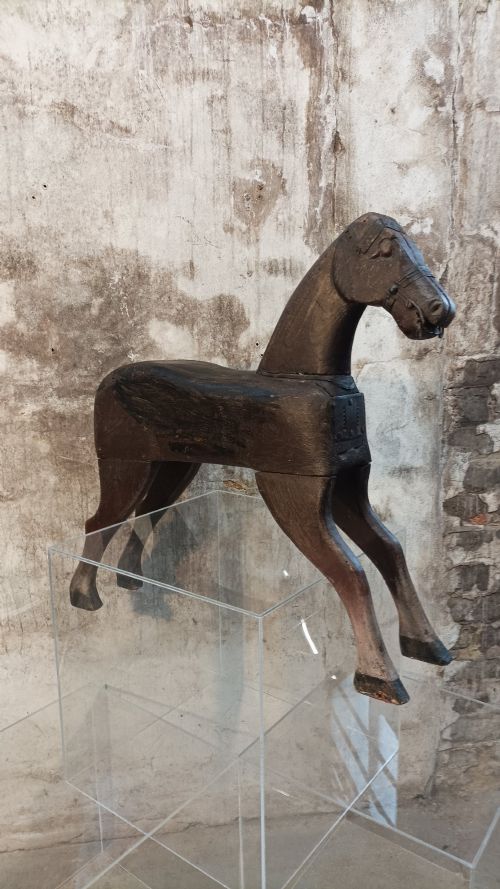
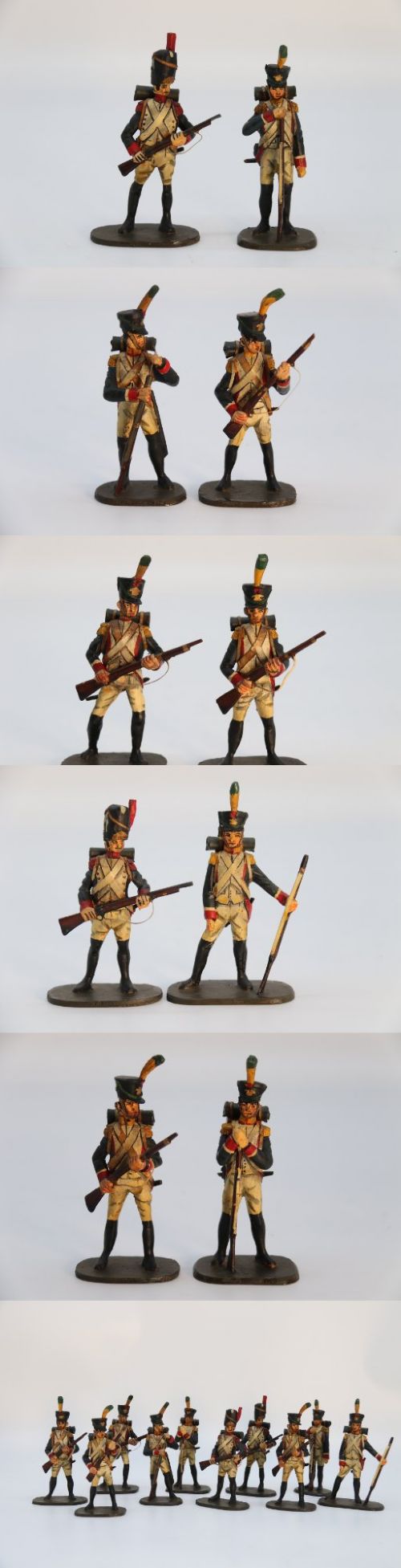
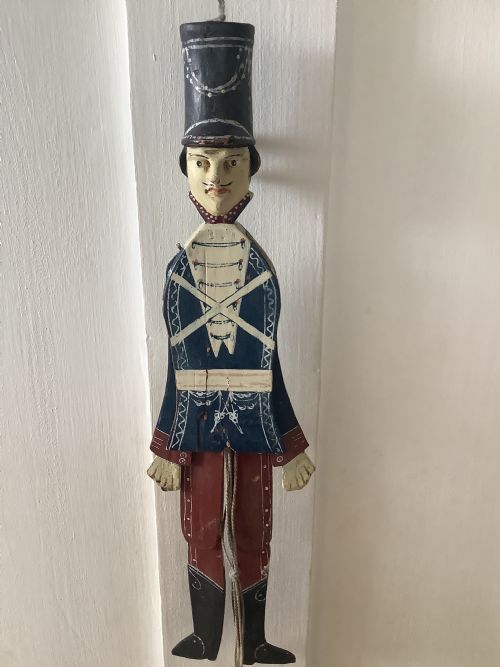
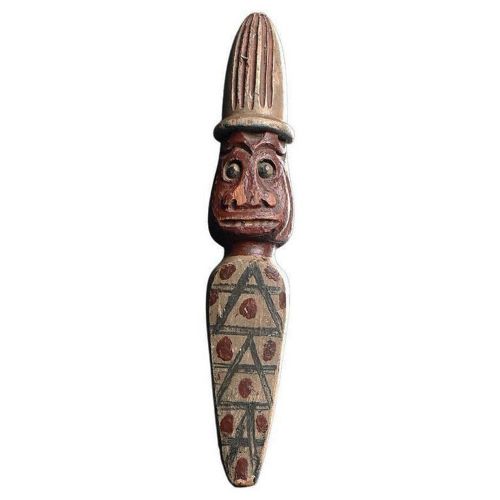
Vintage toy figures encompass hand carved and painted creations ranging from nineteenth century folk art horses to early twentieth century military sets and whimsical animals. Buyers seeking these pieces encounter diverse items such as Noah's Ark sets complete with animals, jigger dolls, and balance toys.
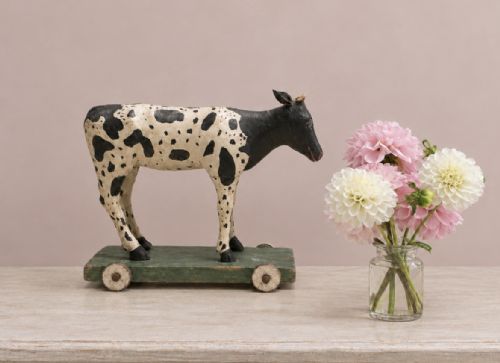
The selection leans heavily toward wooden and painted sculptures reflecting folk traditions from English, American and Napoleonic eras. Papier mache figures like bulls and bulldogs also appear alongside tinplate sports figures and iron balance mechanisms.
Pieces span periods from the nineteenth century through the Edwardian era and into the 1920s and 1930s. Many survive as playful domestic objects that transitioned from children's playthings into decorative folk art sculptures.
Materials and construction
Vintage Toy Figures Retail Price Guide 2026
Typical asking prices for vintage toy figures among the pieces listed under this phrase on Sellingantiques today, from the lower quarter to the upper quarter. They describe what is for sale here now, not the wider market.
Listings feature wooden animals on wheels, mechanical whirligigs, and painted soldiers dating from the nineteenth century through the 1930s.
Qualities of craftsmanship
The distinction between ordinary and exceptional pieces lies in the expressive character of the carving and the preservation of original painted surfaces. Expressive details, such as the pop out eye and opening mouth on sculptural animals, elevate the ingenuity of the maker.
Completeness within grouped sets, such as military figures or Noah's Ark animal assemblages, defines the integrity of surviving examples. Surface patination accumulated through decades of handling separates untouched period pieces from later restorations.
The Vintage Toy Figures Glossary
- Folk art
- Artistic work created within a popular culture tradition, usually by self taught makers using local materials. These pieces prioritise expressive charm over academic proportion.
- Jigger doll
- A mechanical toy figure with loose joints designed to dance on a wooden board when tapped by hand. They were popular in English folk traditions during the early twentieth century.
- Balance toy
- A kinetic sculpture utilising counterweights to achieve movement when disturbed. These metal or wooden items rely on precise weighting to maintain equilibrium.
- Pen wipe
- A small desk accessory, sometimes modelled as a bird or animal using materials like felt and silver, intended for cleaning ink nibs. They combine practical utility with novelty design.
- Papier mache
- A composite material consisting of paper pieces or pulp reinforced with glue or paste, moulded while wet. It allowed makers to create lightweight animal figures with smooth contours.
Vintage Toy Figures: Frequently Asked Questions
Are these vintage figures suitable for children to play with?
These items function primarily as decorative antiques and folk art sculptures rather than modern playthings. Their age, delicate painted surfaces, and historical materials require careful handling.
Displaying them securely on shelves or in cabinets protects fragile wooden limbs, tinplate, and early finishes from accidental damage.
How do I identify a nineteenth century piece from a 1930s toy?
Dating relies on observing tool marks, wood types, paint composition, and overall stylistic conventions of the period. Nineteenth century items often display heavier hand carving and simpler mechanical joints.
Twentieth century examples from the 1920s and 1930s frequently incorporate more varied metal components, distinct tinplate techniques, and brighter commercial paints.
How should I clean painted wooden figures?
Painted surfaces benefit from gentle dusting with a soft, dry brush to remove accumulated particles. Moisture and chemical cleaning agents can damage fragile historic pigments.
Preserving the original dry patination maintains the character and historical integrity of carved wooden horses and animal sculptures.
What is a jigger doll used for?
Jigger dolls were operated by placing them on a thin wooden slat or board and tapping the end to make the figure dance. The articulated limbs swing and jitter in a lively manner.
They served as a popular form of kinetic folk entertainment in English households during the early twentieth century.