





Vintage Toy Box
These vintage toy box options bring practical charm and character to a room, offering genuine period storage that children and collectors used generations ago.
Vintage Toy Box
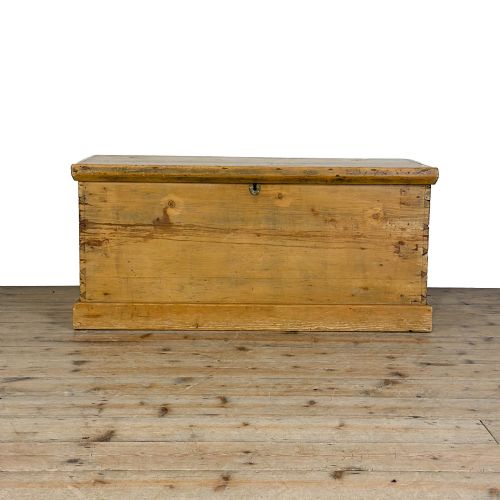
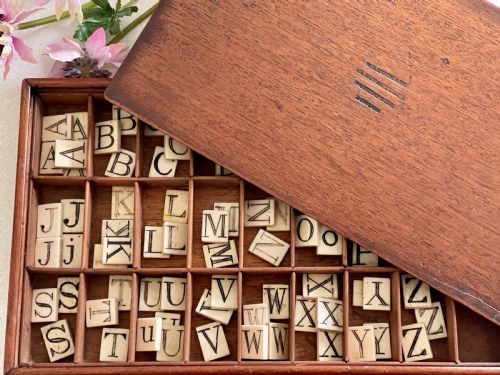
A vintage toy box search leads you to a varied selection of historic storage chests, miniature models, and childhood playthings spanning the Victorian era through the interwar period. The most common form you will meet on this page is the sturdy pine trunk or blanket box, alongside specialised items like alphabet boxes, hand-painted storage chests, and puppet theatres.
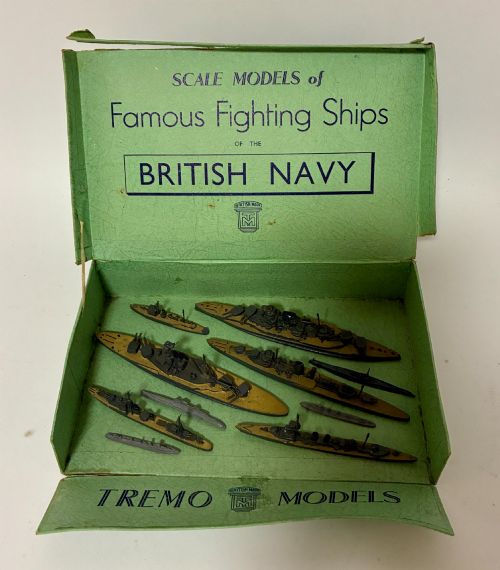
The evidence shows items ranging from simple nineteenth-century elm bedding chests to detailed 1930s nautical storage boxes and scale models of fighting ships. These pieces served practical domestic and play purposes in past centuries, utilising robust timber and metal construction that survives today.
How they were made
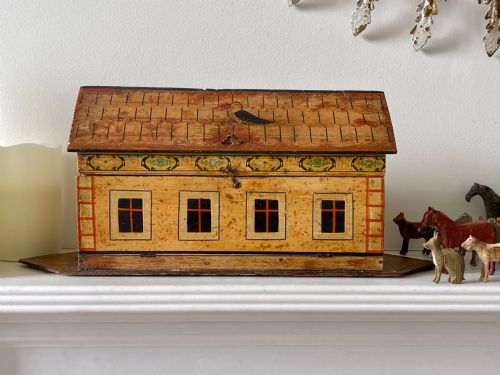
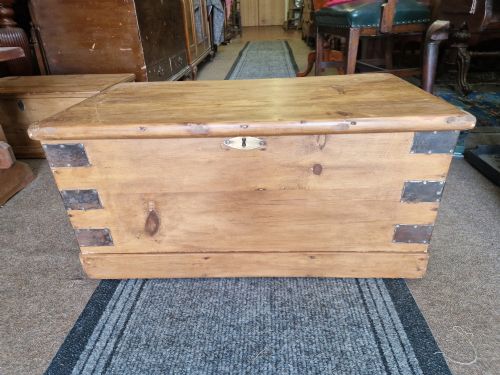
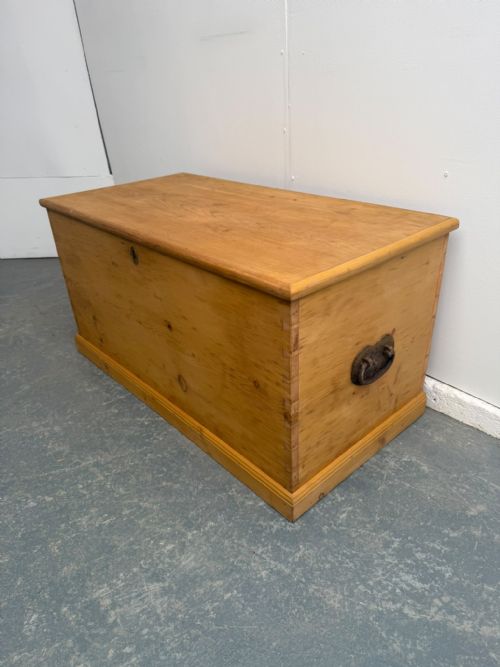
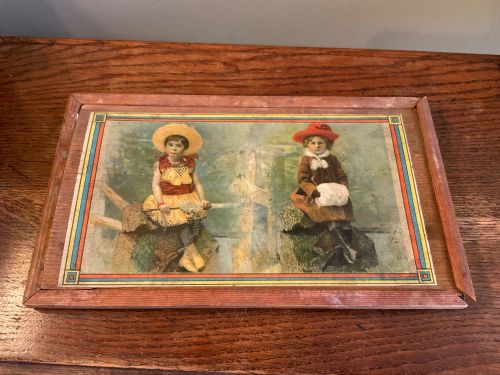
Makers relied primarily on solid woods such as pine and elm, joining boards to create durable trunks and storage chests capable of withstanding daily household use. Surfaces often received simple wax finishes, hand-painted decoration, or paper coverings as seen on alphabet boxes and Noahs arks.
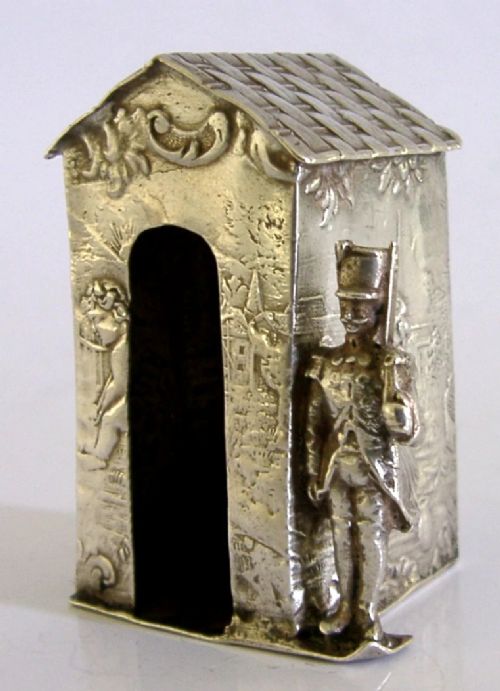
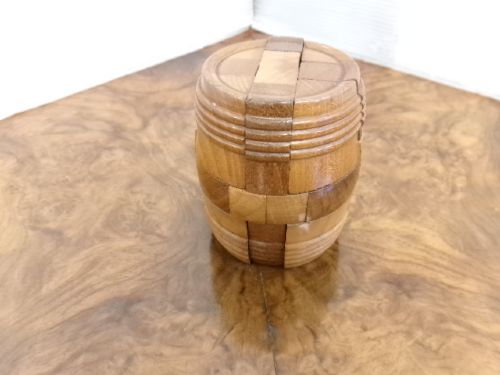
Metal components like brass and iron provided structural reinforcement through hinges, handles, and locks, while specific miniature items employed fine metalworking techniques like Hanau silver fabrication. Woodturning shaped items such as wooden barrel puzzles, combining functional carpentry with decorative detail.
Vintage Toy Box Retail Price Guide 2026
Typical asking prices for vintage toy box among the pieces listed under this phrase on Sellingantiques today, from the lower quarter to the upper quarter. They describe what is for sale here now, not the wider market.
Storage forms include blanket boxes, trunks, and painted chests alongside scale models and biscuit tin tractors.
What varies in quality
Quality separates plain utilitarian storage from items retaining original decorative details, hand-painted surfaces, and complete sets of contents such as animal figures or scale models. The retention of maker names, original waxed patination, and undisturbed historic finishes distinguishes superior examples.
Construction methods and timber selection also divide the range, with well-joined dovetailed pine trunks sitting alongside simpler boarded chests. The presence of specialised play ephemera, such as complete watercolour sets or puppet theatres, elevates the interest of a piece.
William Crawfords And Son Ltd·Tremo
The Vintage Toy Box Glossary
- Pine
- A softwood commonly used for nineteenth-century trunks and blanket boxes. It provides a sturdy, light-toned structure that often takes a warm waxed finish.
- Hanau Silver
- Continental silver, frequently cast into miniature figures and toys around 1900. These small decorative items display intricate historicizing detail.
- Elm
- A dense, tough hardwood utilised for regional bedding and storage boxes. Its interlocked grain offers high resistance to splitting.
- Historicism
- A nineteenth-century artistic style drawing inspiration from historical art and architecture. It appears in German silver miniatures and decorative objects from the period.
Vintage Toy Box: Frequently Asked Questions
What counts as a vintage toy box?
This category encompasses nineteenth-century and early twentieth-century wooden chests, pine trunks, and specialised children's play items used for storage or entertainment.
Items range from large blanket boxes adapted for storage to miniature models, alphabet boxes, and antique puppet theatres from the Victorian and interwar periods.
How were these wooden boxes used?
Families utilised pine trunks and blanket boxes in bedrooms and nurseries to store bedding, garments, and childhood belongings.
Smaller containers held specific playthings like carved wooden animals, building letters, or watercolours, keeping domestic spaces organised.
How do I date a pine trunk?
Dating relies on construction methods, hardware types, and timber patination developed through decades of domestic handling and waxing.
Victorian examples often display hand-cut joints and forged iron or brass fittings distinct from later twentieth-century production methods.
Can I use these for modern storage?
These robust timber chests and storage boxes function effectively in modern interiors for organising blankets, toys, and household items.
Their solid construction and historic character allow them to serve as practical furniture pieces while adding period detail to a room.