

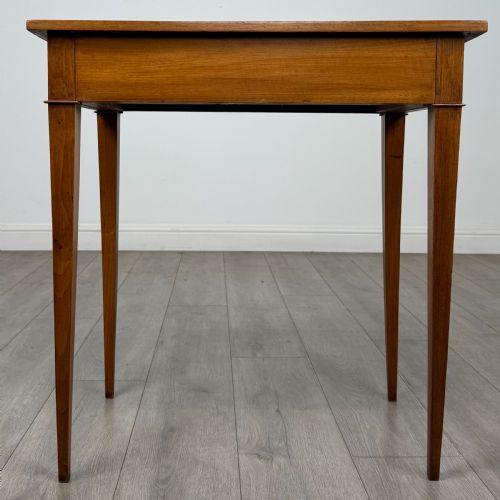
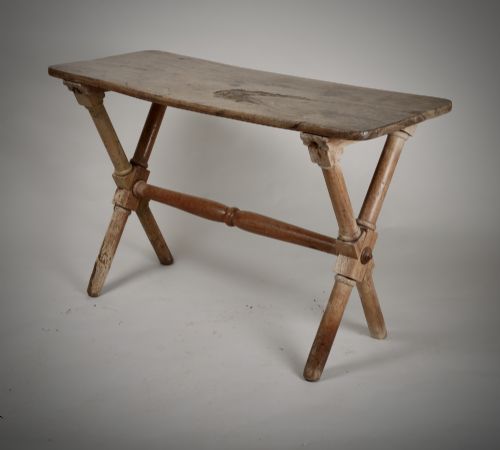
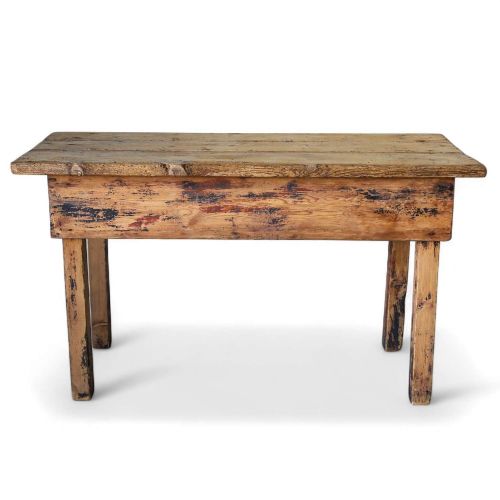
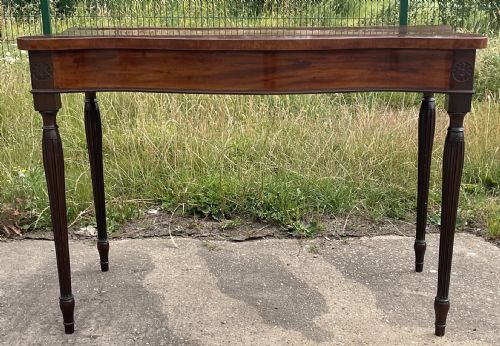
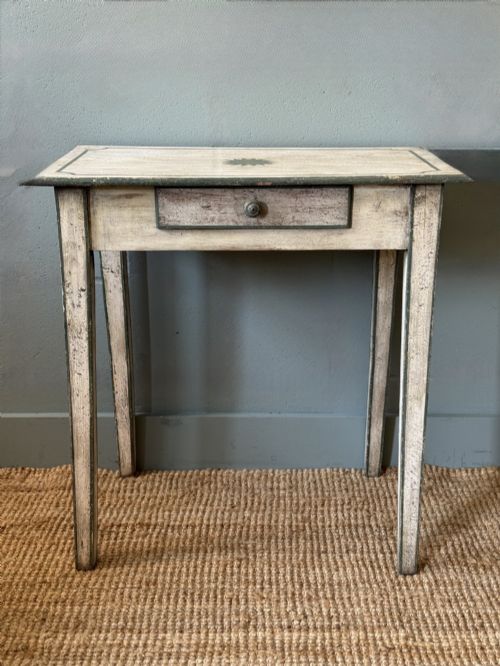
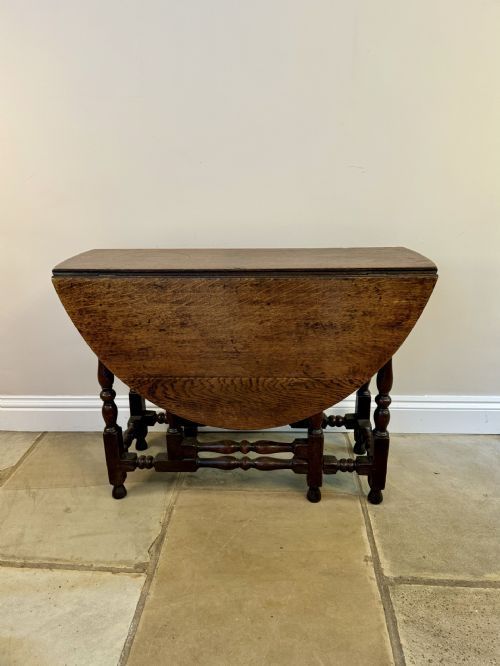
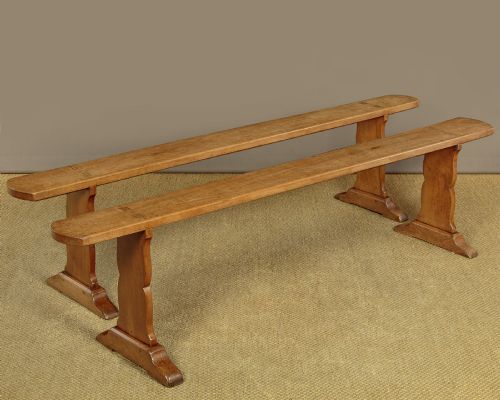


Vintage Timber Hall Table
A vintage timber hall table offers practical surface space and character in a narrow entryway, drawing on centuries of domestic craftsmanship.
Vintage Timber Hall Table
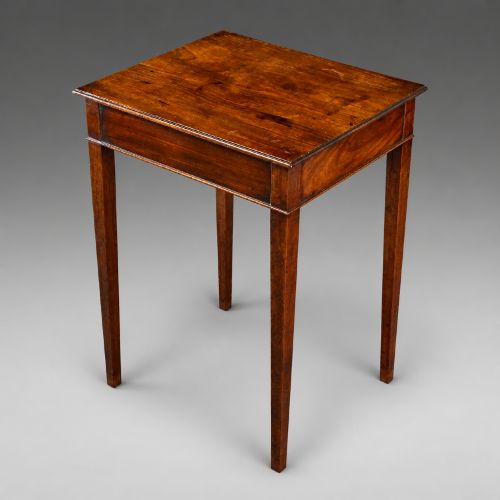
A vintage timber hall table serves as a functional anchor for entryways and narrow passageways, providing a surface for daily essentials while establishing the character of a room. These pieces appear in forms such as side tables, console tables, low boys, and narrow work tables.
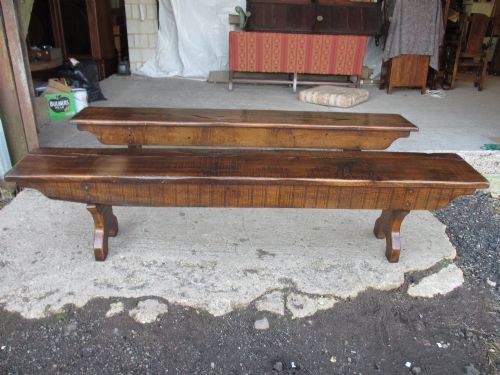
The selection on this page spans periods from the eighteenth century through the Edwardian era and the early twentieth century. Pieces hail from English, French, Welsh, and Chinese traditions, reflecting diverse regional uses from farmhouse kitchens to formal townhouses.
Buyers are most likely to encounter side tables and console tables constructed from regional hardwoods and softwoods like pine, oak, mahogany, and elm. Many show influences ranging from rustic country and farmhouse styles to formal Georgian designs and French provincial aesthetics.
How they were made
Carpenters and joiners utilised solid timbers such as oak, mahogany, walnut, fruitwood, and pine to build these tables, often selecting woods native to their region. Construction methods relied on traditional joinery to ensure stability in heavy-use domestic and institutional settings.
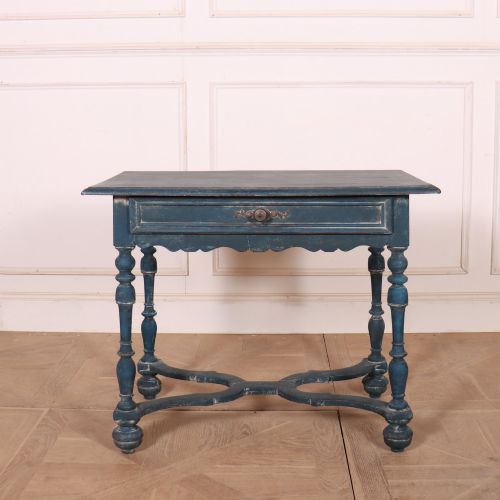
Surface treatments vary significantly across the inventory, ranging from unpainted scrubbed finishes and natural grain polish to historical painted coats. Secondary materials such as brass fittings and leather or fabric writing surfaces appear on specific functional forms like writing tables and desks.
Vintage Timber Hall Table Retail Price Guide 2026
Typical asking prices for vintage timber hall table among the pieces listed under this phrase on Sellingantiques today, from the lower quarter to the upper quarter. They describe what is for sale here now, not the wider market.
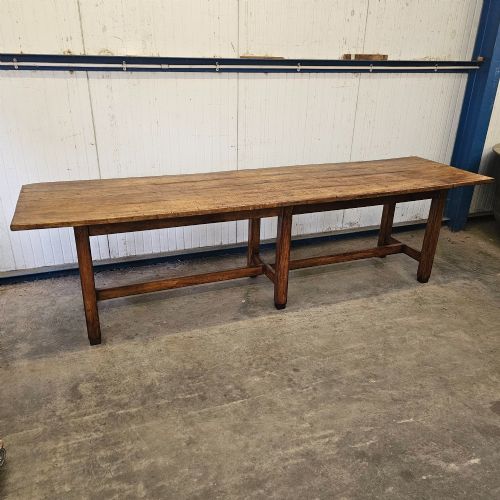
The inventory includes continental and domestic forms, ranging from French provincial scrubbed trestle tables and Chinese elm console tables to English Georgian low boys.
What varies in quality
Quality in these tables depends largely on the integrity of the timber and the retention of original structural elements. Finer examples display thoughtful proportion, careful selection of figured woods, and minimal intervention over time.
The execution of joinery and the survival of original surface characteristics - such as early paint layers, patinated wax finishes, or period brass hardware - distinguish standard utility pieces from items of higher craftsmanship.
The Vintage Timber Hall Table Glossary
- Console table
- A table designed to stand against a wall, frequently fixed or supported by brackets or legs at the front. These pieces provide narrow surface space suitable for hallways and reception rooms.
- Low boy
- A small eighteenth-century English or American table with one or more drawers, typically standing on four legs. They served various domestic functions including as dressing or side tables.
- Trestle table
- A table consisting of two or more trestles supporting a long horizontal top. This form appears frequently in European provincial and farmhouse dining or work tables.
- Drop leaf table
- A table with a fixed central section and hinged leaves that can be folded down or supported when needed. This design allowed tables to save space when not in use.
- Patina
- The surface appearance developed over time through use, age, and polishing. Collectors value undisturbed patination for the historical depth it brings to timber furniture.
Vintage Timber Hall Table: Frequently Asked Questions
How do I choose the right size for a narrow hallway?
Measure the width of your hallway and ensure there is adequate clearance for people to pass comfortably alongside the furniture. Console tables and narrow side tables with shallow depths work best in restricted spaces without blocking pathways.
Consider the height of skirting boards and any radiators or doorways that might interfere with the placement of a table against the wall.
What is the difference between a side table and a console table?
A side table is typically designed to stand against a wall or beside seating furniture, often possessing four freestanding legs and sometimes incorporating drawers. They are versatile pieces used in various rooms throughout a house.
Console tables are specifically built to anchor against a wall, historically supported by wall brackets or distinct front legs, and generally feature a shallower footprint tailored for narrow transitional spaces.
How do I care for antique timber surfaces?
Maintain timber surfaces by dusting regularly with a soft, dry cloth and applying natural beeswax periodically to nourish the wood. Avoid placing furniture in direct sunlight or near heat sources to prevent timber from drying out and splitting.
Use coasters and felt pads under objects placed on the table to protect historical finishes and polished wood from moisture and scratches.
How can I tell the period of a timber table?
Examine the construction methods, tool marks, and timber species used in the frame and underside of the piece. Georgian and eighteenth-century tables often feature hand-cut joinery and specific secondary woods characteristic of their manufacturing era.
Stylistic cues such as leg shapes, drawer linings, and hardware types offer further clues, though many pieces reflect regional vernacular traditions that endured across multiple decades.