




Vintage Timber Bowl
A vintage timber bowl brings warmth and utilitarian history to a room through centuries of turned, carved, and painted grain.
Vintage Timber Bowl
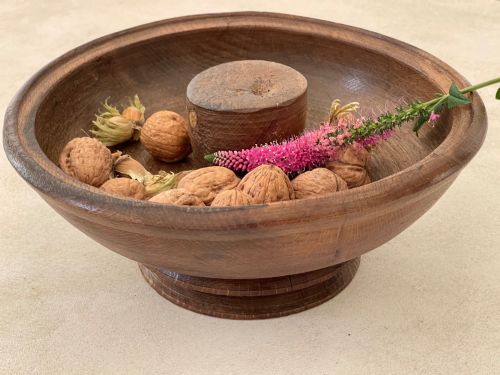
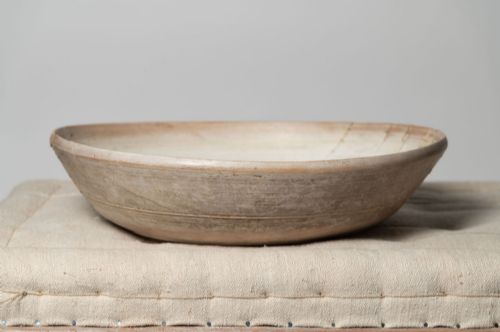
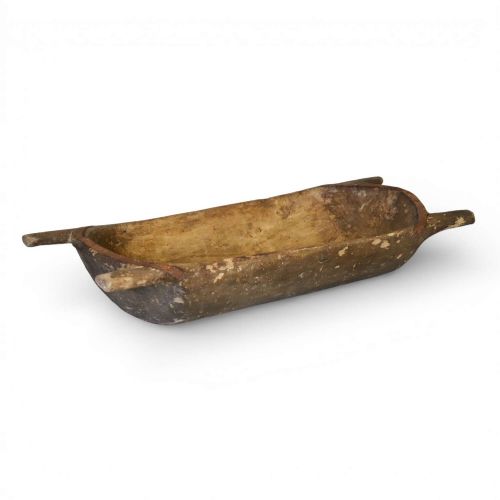
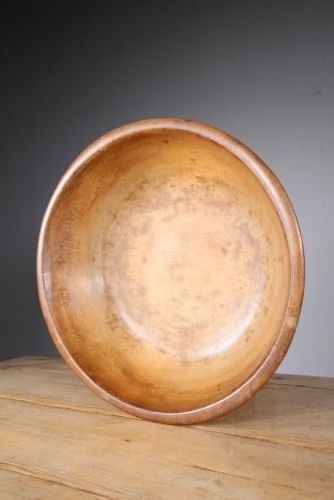
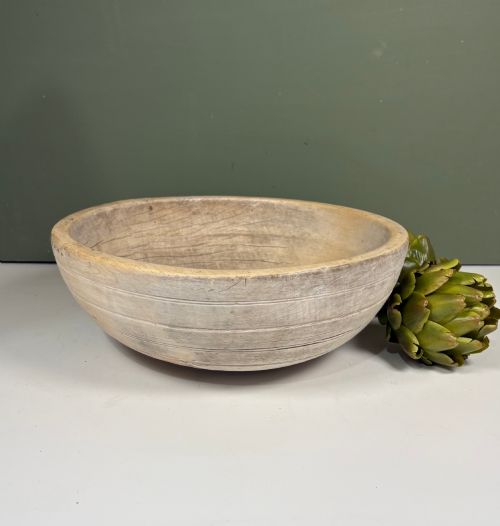
When you search for a vintage timber bowl, you encounter domestic vessels shaped from solid wood for dairy work, kneading, and daily hearth use. The examples gathered here span from the eighteenth century into the early twentieth century, taking forms such as deep dairy bowls, kneading troughs, and turned treen pieces.
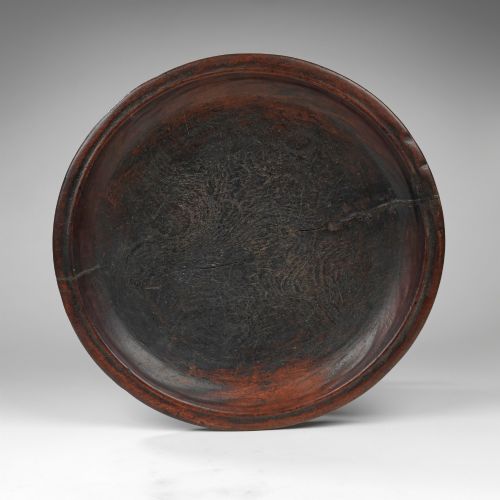
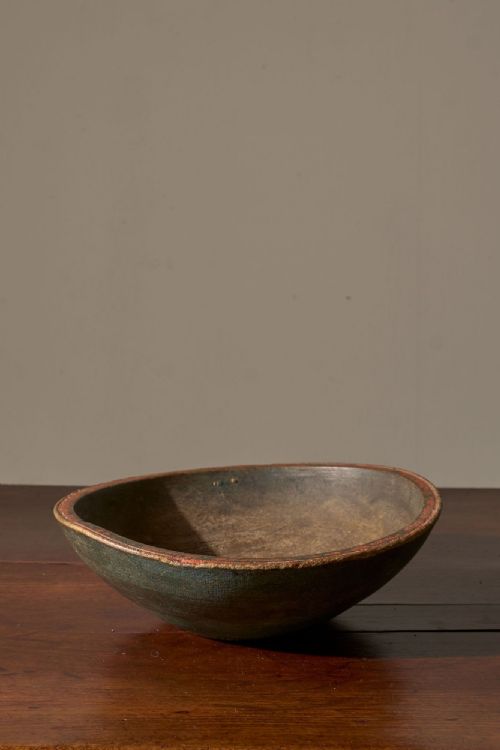
Most items you meet on this page originate from British, Scandinavian, French, and Japanese traditions. They range from simple turned sycamore and walnut eating vessels to heavy dug-out farm bowls bearing traces of historic paint and intense everyday wear.
How they were made
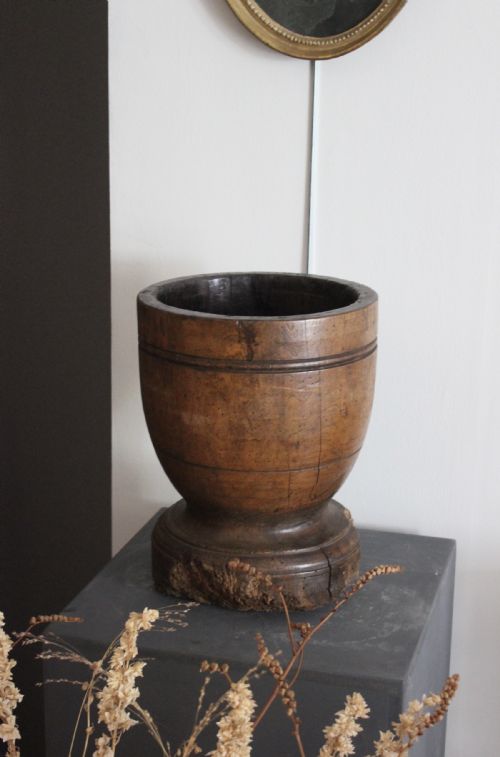
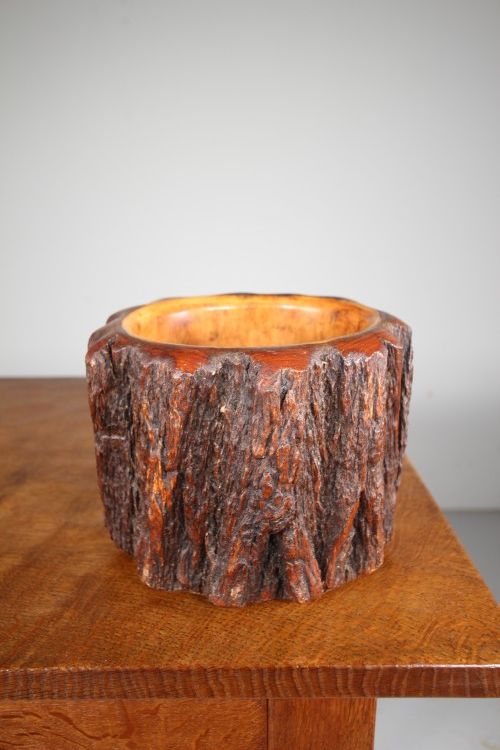
Turned pieces take shape on a lathe from dense hardwoods like sycamore and walnut, while larger dough troughs and mortars are hand-carved or dug out directly from solid timber blocks. Makers utilised local woods such as pine, elm, and maple, shaping them green before allowing the timber to warp naturally over generations.
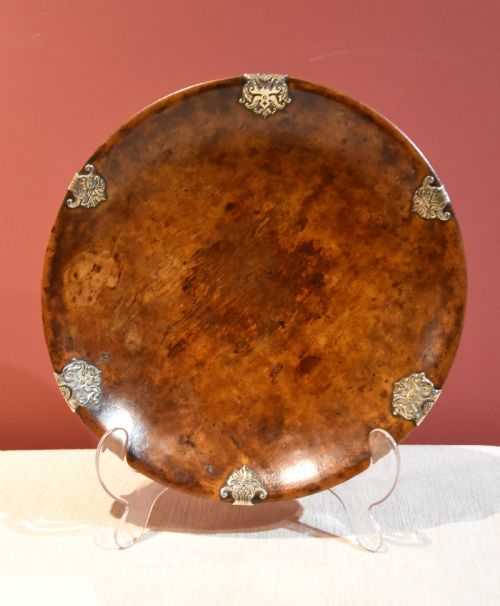
Surface treatments vary from plain hand-polished timber to historic oil finishes and layers of original paint. Some domestic items incorporate iron reinforcement or silver mounts, adding structural stability to bowls used heavily in dairy and kitchen environments.
Vintage Timber Bowl Retail Price Guide 2026
Typical asking prices for vintage timber bowl among the pieces listed under this phrase on Sellingantiques today, from the lower quarter to the upper quarter. They describe what is for sale here now, not the wider market.
Materials represented across the selection include sycamore, walnut, pine, elm, maple, iron, and original painted surfaces.
What varies in quality
The distinction between ordinary utility items and superior examples lies in the integrity of the original timber and the depth of the surface patina. Bowls that retain their early tool marks, honest wear, and untouched historic finishes command greater interest than those stripped or overly restored.
Proportion and wood selection also dictate the character of the piece. Dense grain patterns in sycamore, burr walnut, or maple, combined with balanced turning or robust dug-out carving, separate basic kitchen implements from exceptional pieces of folk art.
The Vintage Timber Bowl Glossary
- Treen
- Small handmade wooden domestic objects such as bowls, spoons, and ladles. These items were essential to pre-industrial household life and developed smooth surfaces through continuous handling.
- Dairy bowl
- A wide, shallow wooden basin used historically for setting milk to rise and skimming cream. They are frequently turned from sycamore because the wood does not impart taste or odour to food.
- Dough bowl
- A large trough carved or dug out from a single piece of timber for mixing and kneading bread. French and farmhouse versions often display deep rectangular or oval forms with heavy side walls.
- Patina
- The surface sheen and colour acquired by wood over decades or centuries of exposure to light, oil, and handling. A rich patina indicates natural ageing rather than modern chemical polishing.
- Hibachi
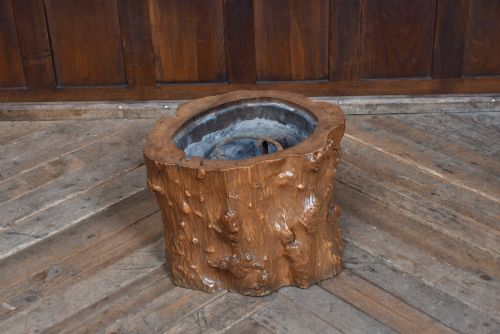
- A traditional Japanese heating device or basin constructed from wood and metal lining. These items function as sculptural bowls when integrated into contemporary interiors.
Vintage Timber Bowl: Frequently Asked Questions
Can I use these bowls for serving food?
Many vintage timber bowls were originally made for culinary tasks like dairy work or kneading dough. However, nineteenth-century and earlier pieces often carry historic residues or dry timber splits.
Assess the interior condition of each individual bowl before using it for dry foods. Most collectors prefer to display older or painted examples as decorative objects rather than active tableware.
How do I tell an 18th-century bowl from a 20th-century one?
Eighteenth and nineteenth-century bowls typically display hand-turned ridges, adze marks, or dug-out tool signatures left by manual labour. Twentieth-century versions often show more uniform machine turning and lighter timber weights.
Examining the underside and rim reveals the method of manufacture and the tool technology available to the maker. Timber shrinkage and wear patterns also offer clues to true age.
What is the difference between treen and a dairy bowl?
Treen encompasses a broad category of small household wooden items, including turned drinking vessels, spoons, and small dishes. A dairy bowl is a specific, larger vessel designed explicitly for agricultural milk processing.
Dairy bowls are usually wider and deeper to allow cream to separate effectively. Treen covers the wider family of domestic turned wood.