



Vintage Tiffany Silver
Vintage tiffany silver brings sterling metalwork, glassware, and tableware into daily rooms from periods spanning the Victorian era to the mid-twentieth century.
Vintage Tiffany Silver
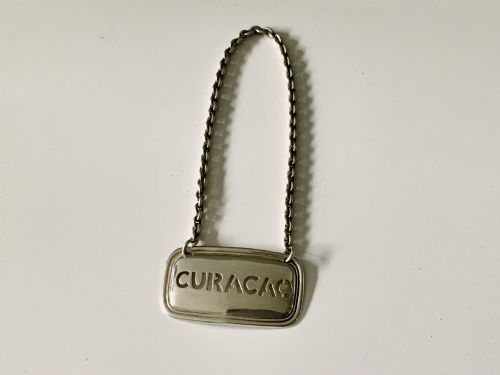
When you search for vintage tiffany silver, you encounter functional objects, barware, and table pieces produced across the nineteenth and twentieth centuries. These items range from individual decanter labels and inkwells to large serving utensils, water jugs, and extensive flatware sets in distinct patterns.
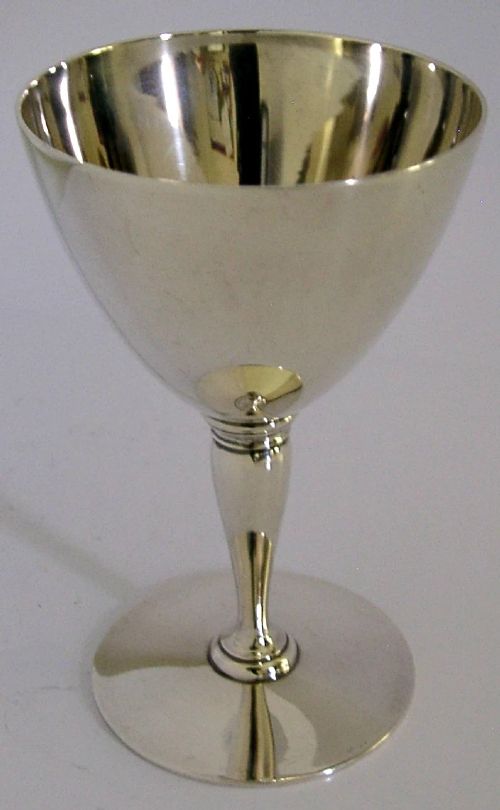
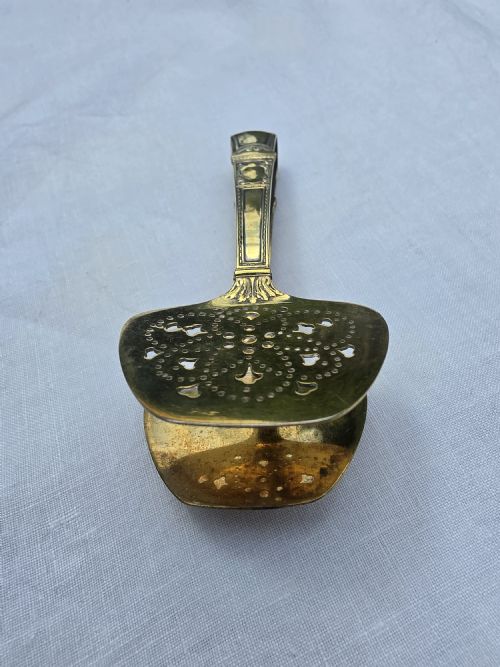
The pieces on this page represent diverse aesthetic movements, showing Classical Revival, Colonial Revival, Victorian, Edwardian, and Art Deco designs. Forms include specialised items like pastry servers, christening sets, and stamp moisteners alongside core sterling vessels and dishes.
Buyers most frequently meet Edwardian and 1920s examples alongside nineteenth-century works and mid-century accessories. Each piece carries specific material qualities and stylistic traits rooted in its original period of manufacture.
How vintage tiffany silver was made
Master metalsmiths shaped these items primarily from sterling silver, with select pieces utilising silver gilt, vermeil, or combinations of glass, leather, silk, and stainless steel. Metal components were cast, hammered, or assembled to create substantial drinking vessels, flatware, and desk accessories.
Design execution relied on period-specific techniques, whether producing the ornate detailing of Victorian and Edwardian work or the clean geometry seen in Art Deco items like the Faneuil pattern flatware and cocktail goblets.
Vintage Tiffany Silver Retail Price Guide 2026
Typical asking prices for vintage tiffany silver among the pieces listed under this phrase on Sellingantiques today, from the lower quarter to the upper quarter. They describe what is for sale here now, not the wider market.
Object forms span practical desk accessories, barware, and flatware sets, representing Victorian, Edwardian, and Art Deco styles.
What varies in quality
Quality differences depend on the complexity of the pattern work, the weight of the silver used in construction, and the preservation of secondary materials like glass or silk. Substantial items such as chunky water jugs demonstrate heavier gauge metalwork than smaller decorative labels.
The distinction between standard tableware and specialised presentation pieces or exhibition items, such as World Fair pieces, marks the upper tier of the range. Intricate pattern execution and the integration of gilt or vermeil surfaces further separate exceptional examples from standard utility pieces.
Tiffany and Company
The Vintage Tiffany Silver Glossary
- Sterling silver
- An alloy consisting of 92.5 percent silver and 7.5 percent other metals, typically copper, used to provide durability for tableware and decorative items.
- Silver gilt
- Sterling silver that has been coated with a thin layer of gold on the surface, creating a dual-tone appearance seen on serving pieces.
- Vermeil
- Sterling silver plated with gold, combining the strength of silver with a rich gold finish.
- Flatware set
- A collection of coordinated dining utensils, ranging from small pastry servers to complete seventy-nine-piece services.
Vintage Tiffany Silver: Frequently Asked Questions
What periods do these pieces come from?
The items span from the nineteenth century through the Edwardian era and the 1920s, extending into mid-century production.
Specific dates and stylistic markers help place individual objects within the Victorian, Art Deco, or Colonial Revival movements.
How do I identify different design patterns?
Makers applied distinct stylistic signatures to their wares, ranging from ornate nineteenth-century decoration to restrained Edwardian motifs and geometric Art Deco lines.
Named patterns like Faneuil or Colonial provide clear benchmarks for matching flatware and serving pieces.
What materials are combined with the silver?
Makers frequently paired sterling silver with clear glass for inkwells and cups, alongside accents of leather, silk, and stainless steel in specific functional items.
Surfaces also feature silver gilt and vermeil to introduce gold tones to the metalwork.
How were these items used originally?
These objects served functional roles in formal dining, bar service, and desk management, from pouring water and serving pastry to labeling decanters and moistening stamps.
Christening sets were produced as traditional gifts for infants.