





Vintage Throw Pillows
These vintage throw pillows bring historic textiles into modern rooms, formed from repurposed kilims, tapestries, and antique linens.
Vintage Throw Pillows
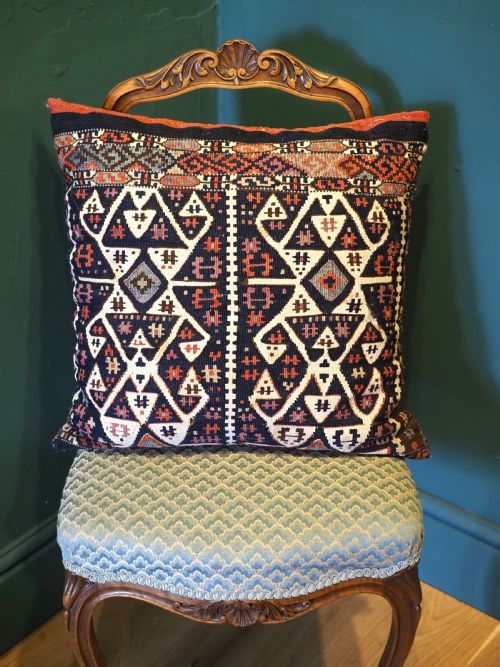
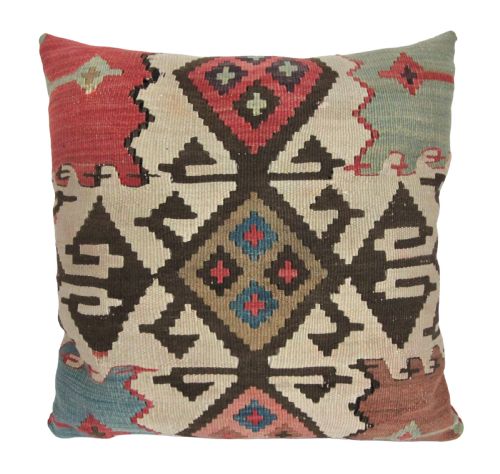
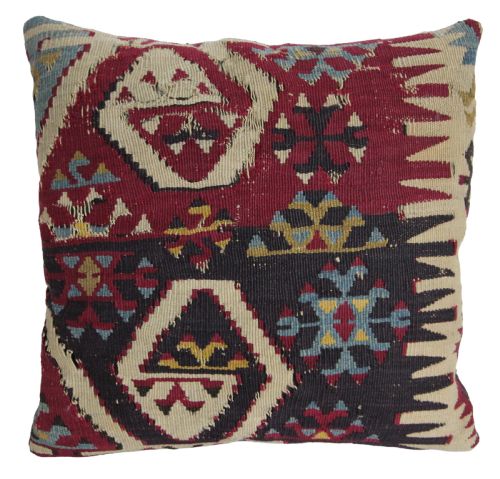
When buyers search for vintage throw pillows, they encounter cushions constructed from older fragments such as kilim rugs, saddle bags, and tapestry borders. These items repurpose historic textiles into domestic furnishings, utilising remnants from the nineteenth and early twentieth centuries.
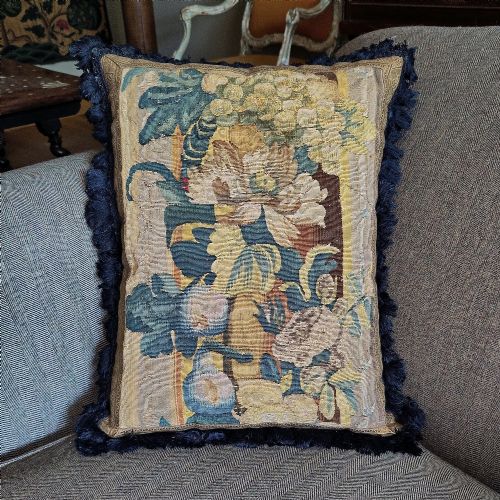
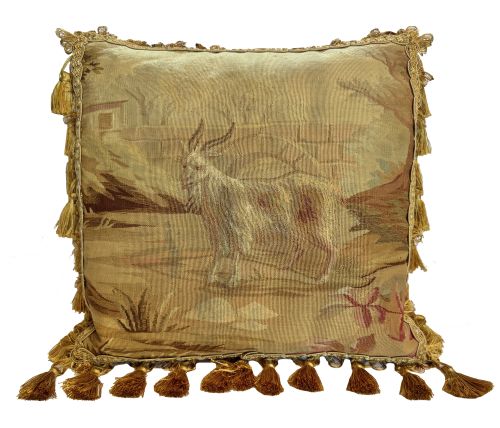
The most common examples on this page are antique kilim cushions, alongside French Aubusson tapestries and pieces fashioned from Belgian linen. These cushions translate nomadic weaving traditions and formal European decor into soft furnishings for daily use.
How they were made
Makers constructed these cushions using hand-woven wool, cotton, silk, and linen, often combining flat-woven rug faces with plain or woven backs. Many items incorporate traditional passementerie or passementerie trim along the edges.
Interior structures rely on feather inners, supporting the heavy textile covers. The external faces depend upon durable flat-weave techniques or pile carpets adapted from tribal and domestic traditions.
Vintage Throw Pillows Retail Price Guide 2026
Typical asking prices for vintage throw pillows among the pieces listed under this phrase on Sellingantiques today, from the lower quarter to the upper quarter. They describe what is for sale here now, not the wider market.
What varies in quality
Quality rests upon the integrity of the original textile and the fidelity of its preservation. Intact kilim panels and tightly woven Aubusson fragments hold their structure better than worn or over-repaired sections.
The choice of backing materials and internal stuffing also distinguishes the pieces. Premium examples utilise period linens and quality feather inners that complement the age and weight of the front textile.
The Vintage Throw Pillows Glossary
- Kilim
- A flat-woven carpet or rug, without pile, originating from regions such as Anatolia and Persia. These textiles provide the patterned faces for many durable cushions.
- Aubusson
- A style of tapestry woven in France, known for floral and architectural motifs. These wool and silk panels form decorative cushion covers.
- Passementerie
- Edgings, trimmings, and decorative borders applied to textiles. This term covers tassels, braids, and gimp used on upholstered pieces.
- Tapestry
- A form of textile art woven on a vertical loom, depicting pictorial scenes or repeating patterns. Fragments of these panels are adapted into cushion covers.
Vintage Throw Pillows: Frequently Asked Questions
How do I clean an antique cushion?
Historic textiles demand gentle care, so surface dusting and professional specialist cleaning are best. Avoid submerging antique wool and silk covers in water.
Keep the cushions away from direct sunlight to protect natural dyes from fading over time.
Are these cushions made from real carpets?
Many cushions incorporate authentic fragments cut from larger rugs, kilims, and nomadic bag faces. These textiles retain their original hand-woven structures.
Makers repurpose these durable elements to give historic materials a new function in domestic spaces.
What is a bag face cushion?
A bag face cushion utilises the decorated front panel of a nomadic storage bag, such as those made by tribal weavers. These panels display traditional geometric or pictorial motifs.
They offer a concentrated example of tribal weaving adapted into a square or rectangular format.
How do I tell an Aubusson cushion apart?
Aubusson cushions display French floral or pastoral motifs woven in fine wool and silk. Their pastel or muted colour palettes reflect formal European interior styles.
They differ distinctively from the geometric and tribal patterns found on Anatolian kilim cushions.