




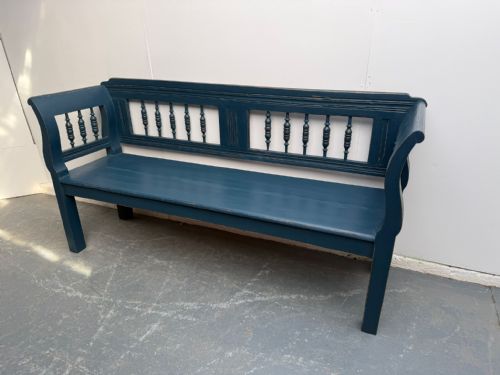
Vintage Three Seater
A vintage three seater provides generous room for daily sitting, spanning heavy nineteenth-century leather chesterfields to streamlined art deco frames.
Vintage Three Seater
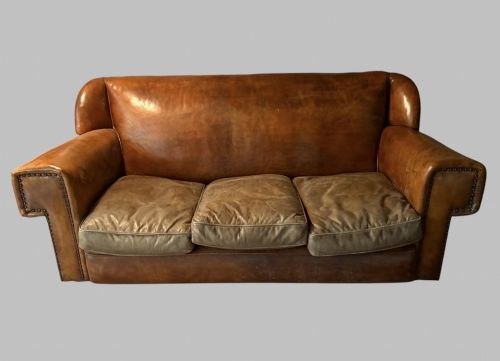
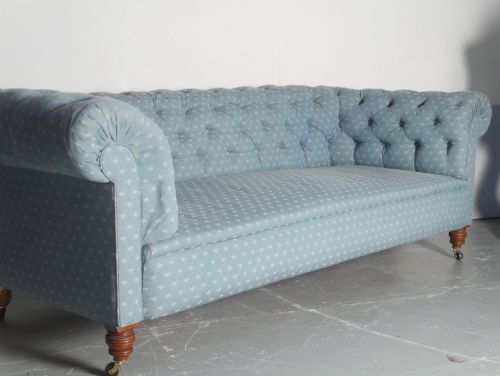
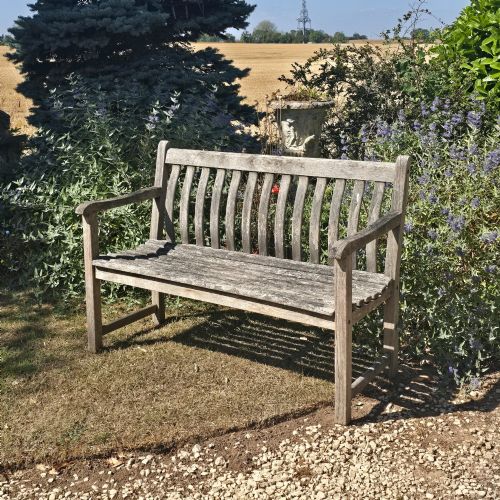
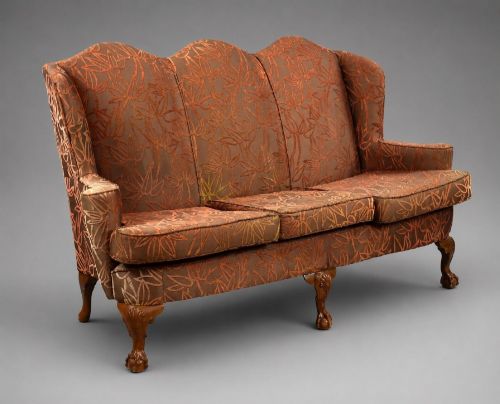
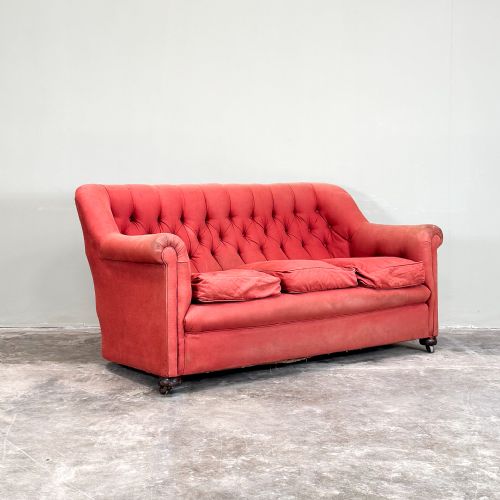
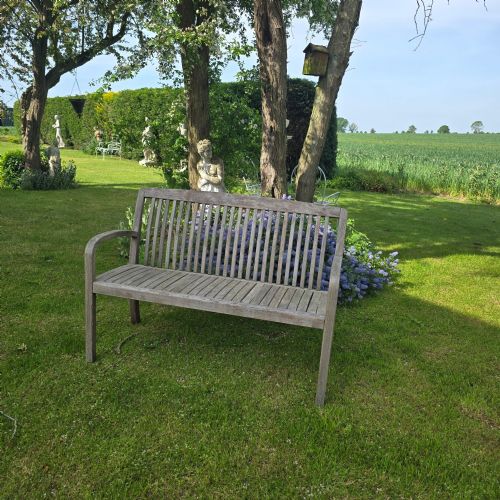
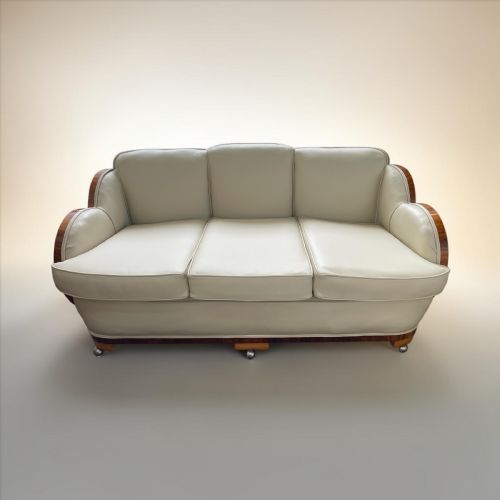
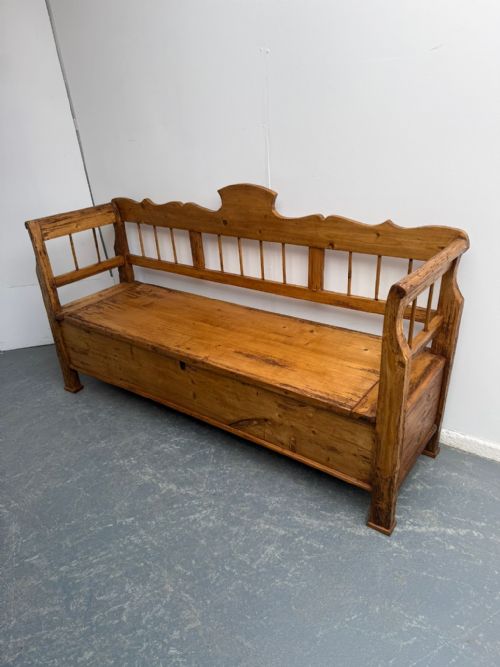
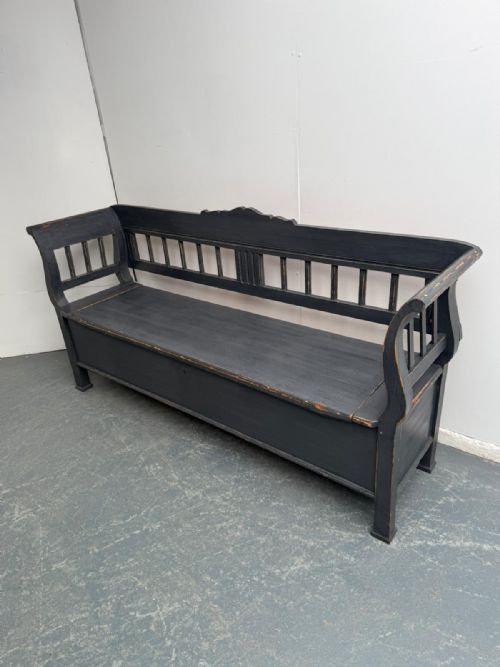
A vintage three seater covers a broad spectrum of domestic seating, running from nineteenth-century leather chesterfields and deep-seated country house designs to art deco walnut frames and painted Hungarian pine settles. Buyers searching for a vintage three seater typically encounter sturdy wood-framed sofas upholstered in leather or fabric, alongside substantial wooden garden benches built for outdoor placement.
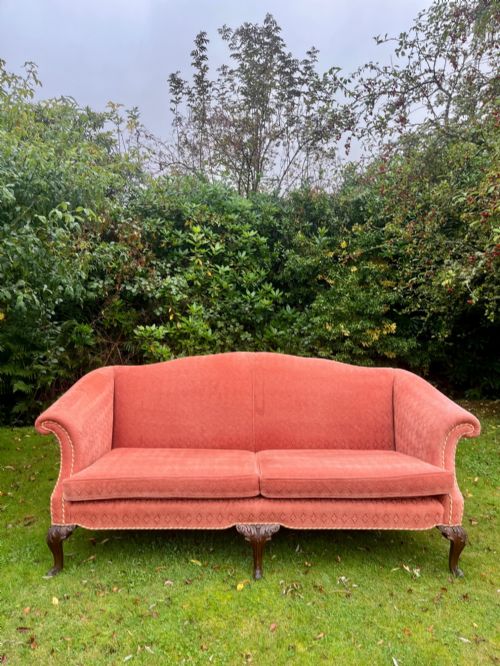
The selections span distinct periods including the Georgian era, Victorian times, Edwardian years, and the 1930s. Forms range from traditional camel back sofas and drop end models to box settles and lounge suites.
Origin points stretch across English country houses, French workshops, and Hungarian folk art traditions, bringing varied regional proportions and finishes to the selection.
How They Were Made
Frames rely on solid woods such as mahogany, walnut, pine, and teak, matched with brass hardware and structural upholstery components. Surface treatments involve traditional wax finishes, painted surfaces in grey, blue, and black, or weathered patinas on exterior teak.
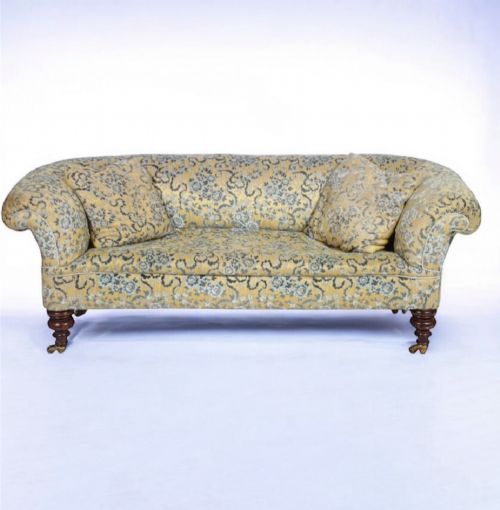
Upholstery methods incorporate deep buttoning, hand-dyed leathers, and fabric coverings ranging from simple leatherette to patterned textiles and floral upholstery on styles like the Knowle sofa.
Vintage Three Seater Retail Price Guide 2026
Typical asking prices for vintage three seater among the pieces listed under this phrase on Sellingantiques today, from the lower quarter to the upper quarter. They describe what is for sale here now, not the wider market.
One extraordinary sofa on offer arrived directly from the ballroom of the RMS Queen Elizabeth ocean liner.
What Varies in Quality
The standard of a vintage three seater rests upon the integrity of its wooden frame and the authenticity of its period materials. Pieces retaining original surface treatments, whether aged leather, painted pine, or polished walnut, hold distinct character compared to heavily altered examples.
Construction depth and joinery execution separate standard utility seating from maker-attributed items. Proportion, silhouette precision, and the preservation of original upholstery hair and springs dictate the standing of each piece.
Harry and Lou Epstein·Howard and Sons
The Vintage Three Seater Glossary
- Chesterfield
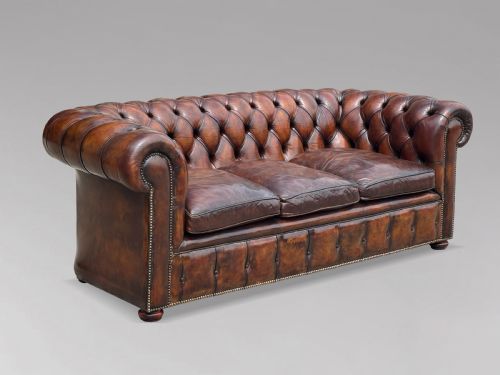
- A deep-buttoned upholstered sofa traditionally finished in leather with arms and back of equal height. This form offers upright support and deep seating.
- Camel back
- A sofa style featuring a graceful arched contour along the top rail resembling a camel's hump. Georgian and Edwardian makers utilised this sweeping line.
- Settle
- A wooden bench featuring a high back to block draughts and often incorporating box storage beneath the seat. Hungarian folk examples display painted pine construction.
- Drop end
- A sofa design with one or both armrests hinged to lower flat. This mechanism allows the seating to convert into a daybed or lounging surface.
- Cloud shape
- An art deco upholstery silhouette characterised by soft, rounded volumetric curves. Walnut and leather suites from the 1930s frequently adopt this profile.
Vintage Three Seater: Frequently Asked Questions
How do I identify a chesterfield sofa?
A traditional chesterfield is distinguished by its uniformly high back and scrolled arms, finished with deep button tufting across the leather or fabric upholstery.
Such sofas appear across nineteenth-century and early twentieth-century listings, often featuring hand-dyed whiskey brown or red leather surfaces.
What is a drop end sofa?
A drop end sofa includes movable or hinged armrests that can be lowered to transform the seating into a surface for resting.
Late 1920s examples often employ this mechanism to combine upright parlor seating with flexible daybed utility.
Where were wooden settles used?
Wooden settles served as practical seating in traditional kitchens and hallways, offering high backs to shield occupants from cold draughts.
Examples from Hungarian folk art traditions often feature painted pine construction and integrated box storage beneath the seat.
How do I care for vintage leather?
Vintage leather requires gentle cleaning and regular conditioning to maintain flexibility and preserve the natural patina developed over decades.
Harsh chemical cleaners should be avoided to protect the original dye work on nineteenth-century and 1930s club sofas.