

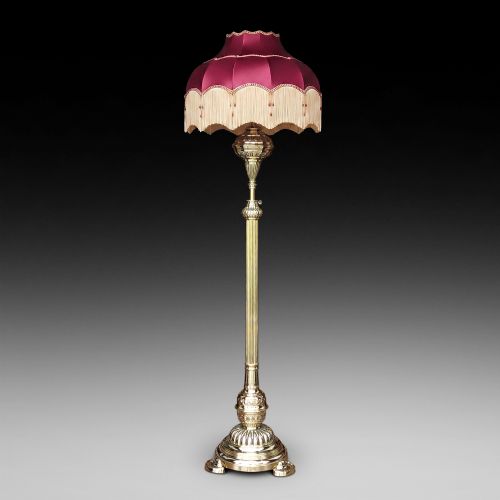


Vintage Telescopic Lamp
A vintage telescopic lamp gives you adjustable height and focused light, bringing period character and practical function to a room.
Vintage Telescopic Lamp
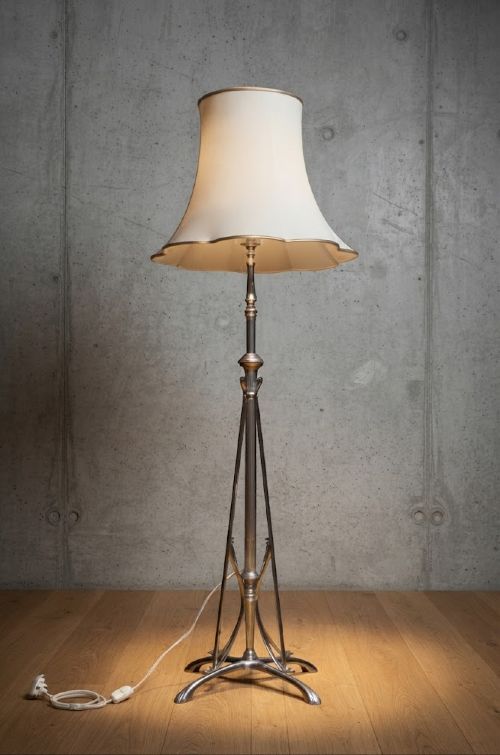
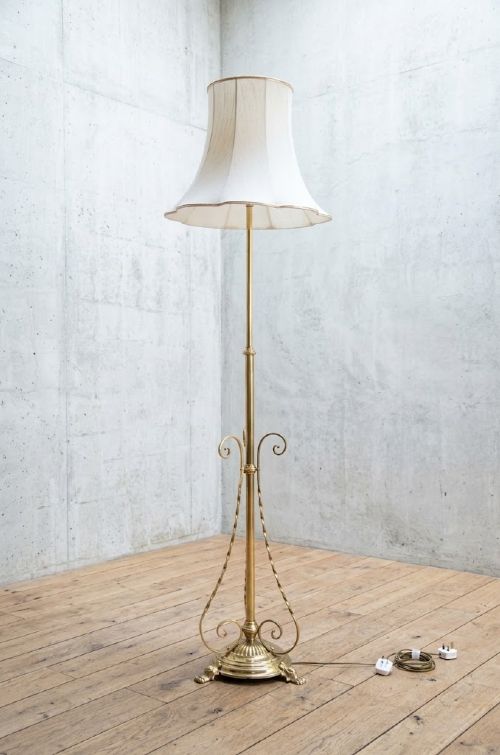
When you search for a vintage telescopic lamp, you are looking at height-adjustable floor lamps, standard lamps, and converted oil lamps. These pieces date from the Victorian and Edwardian eras through to the mid-twentieth century, with many examples originating around nineteen hundred.
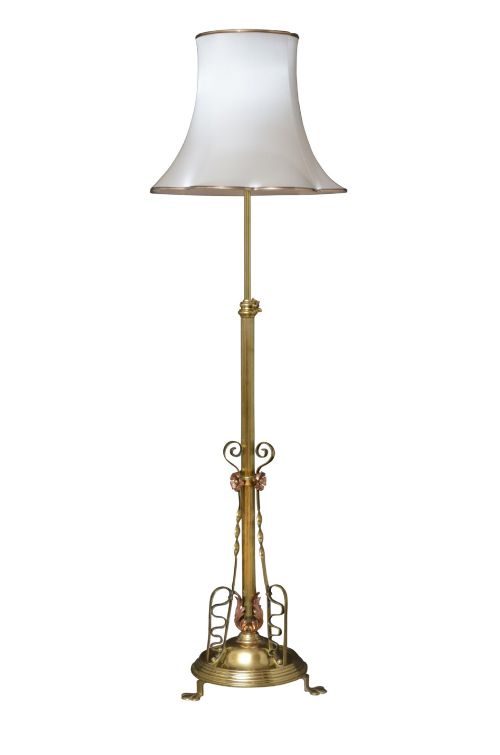
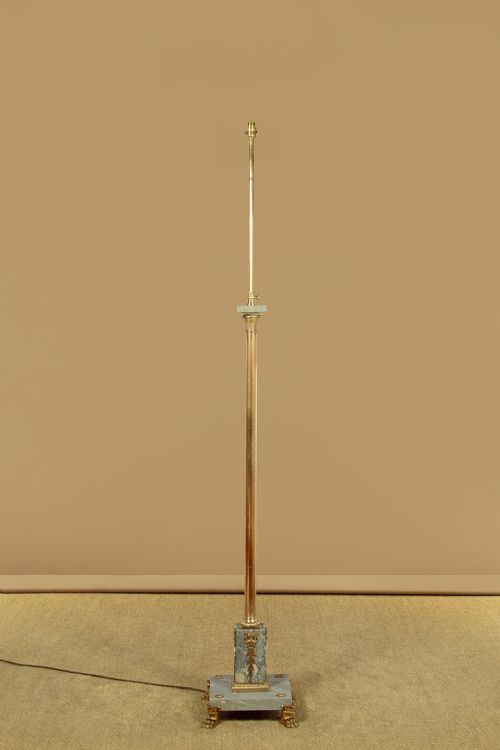
The most common versions met on this page are standard lamps constructed from brass, often pairing extendable shafts with heavy weighted bases. You will also encounter pieces incorporating copper, wrought iron, and marble, reflecting styles from Arts and Crafts to Art Nouveau and French Empire Revival.
How they were made
Metalworking techniques dictate the construction of these extendable columns, utilising solid brass, copper, and wrought iron shaped into sliding tubular sections. Makers employed weighted bases of iron or marble to maintain balance when the lamp stands at its maximum height.
Many surviving examples began life as oil lamps before undergoing conversion to electricity. These retain their original burner mechanisms and screw keys alongside fabric or opaline glass shades.
Vintage Telescopic Lamp Retail Price Guide 2026
Typical asking prices for vintage telescopic lamp among the pieces listed under this phrase on Sellingantiques today, from the lower quarter to the upper quarter. They describe what is for sale here now, not the wider market.
Listings span eight distinct periods from the late nineteenth century to nineteen sixty, with brass and fabric dominating the material choices.
What varies in quality
The weight and gauge of the brass determine the structural integrity of the extending mechanism. Thicker metal prevents wobble and keeps the telescopic shaft moving smoothly without sagging.
Decorative detail separates standard production from finer examples. Look for cast brass ornamentation, Corinthian column capitals, or combinations of brass and onyx that indicate more ambitious workshop design.
Hinks of B'ham·Messenger
The Vintage Telescopic Lamp Glossary
- Telescopic lamp
- A floor lamp with an inner shaft that slides upward inside an outer column to alter the overall height.
- Standard lamp
- A British term for a floor-standing lamp base designed to carry a shade.
- Opaline
- A type of milky, translucent glass frequently used for period lamp shades and diffusers.
- Ormolu
- Gilded bronze or brass mountings applied for decorative effect on nineteenth-century stands.
- Tripod
- A three-legged base support utilised on certain Arts and Crafts adjustable floor lamps.
Vintage Telescopic Lamp: Frequently Asked Questions
How do I adjust the height?
The mechanism relies on a sliding inner tube secured by a thumbscrew or key at the collar. Loosening this fastener allows you to raise or lower the upper section to your preferred level.
Once positioned, tighten the screw firmly to lock the brass column in place before operating the lamp.
Were these originally electric?
Many examples on this page started as oil lamps during the Victorian and Edwardian periods. They utilised burners and reservoirs before later conversion to electricity.
Original oil fittings and fonts are frequently adapted to house standard bulb holders while retaining their period appearance.
How do I date a brass standard lamp?
Stylistic details and construction methods indicate the period. Arts and Crafts models show hand-beaten copper and plain brass, whereas Victorian examples often feature Corinthian columns or heavy cast bases.
patina and screw thread types also offer clues to whether a piece dates from the nineteenth century or later.
Can I use modern lampshades?
Standard shade carriers accommodate most contemporary fittings provided the shade ring matches the bulb holder size. Consideration should be given to the height of the lamp when fully extended.
A heavier fabric or opaline glass shade balances the visual weight of a tall brass column.