





Vintage Teak Plant Stand
A vintage teak plant stand brings intricate colonial craftsmanship and rich timber tones straight into a modern interior.
Vintage Teak Plant Stand
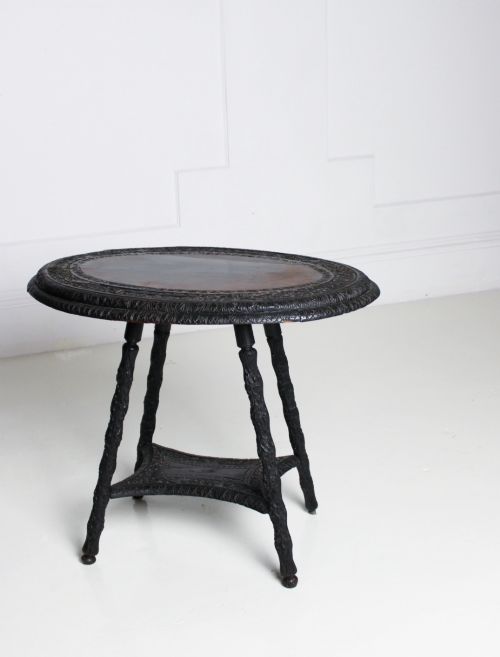
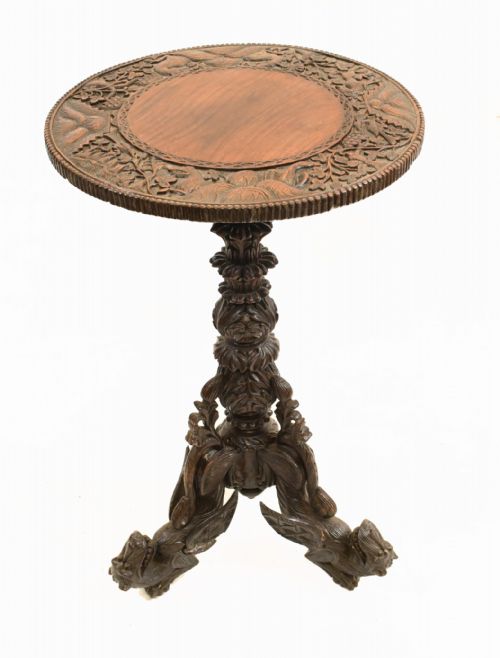
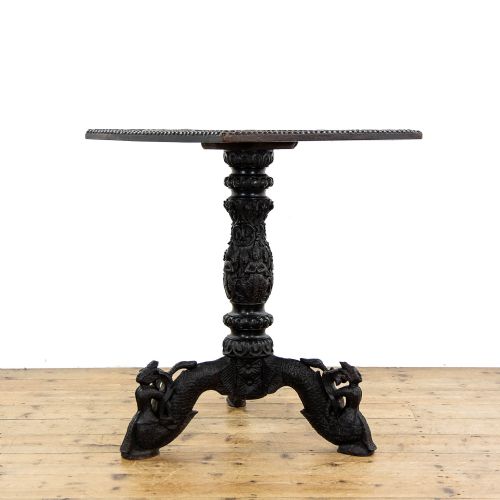
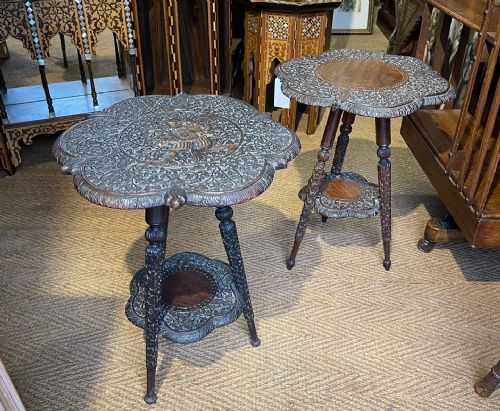
A vintage teak plant stand encompasses heavily carved occasional tables, folding lamp tables, and pedestal forms originating from the Indian subcontinent and Burma during the late nineteenth and early twentieth centuries. These items frequently display regional stylistic influences such as Anglo-Indian, Anglo-Burmese, and Chinese Regional designs.
The selection on this page relies heavily on items produced in the Victorian era up through the nineteen-thirties, with a strong representation of nineteen-hundreds examples. Buyers most commonly encounter octagonal or circular tops supported by carved legs, sometimes styled as elephants or incorporating folding mechanisms.
Many of these tables double as side tables, accent stools, and occasional stands, making them versatile for modern display purposes. The forms reflect both local domestic production and items manufactured for export during the colonial period.
What varies in quality
Quality rests primarily on the depth and crispness of the hand-carving across the timber surface. Finer examples display sharp, deeply undercut foliage and animal figures without the softened edges seen in hurried production.
The integrity of the brass and bone inlay work also dictates value, with superior pieces retaining every tiny fitted segment tightly within the grain. Timber selection contributes further, as dense, evenly figured teak and solid rosewood outlast softer secondary hardwoods.
Vintage Teak Plant Stand Retail Price Guide 2026
Typical asking prices for vintage teak plant stand among the pieces listed under this phrase on Sellingantiques today, from the lower quarter to the upper quarter. They describe what is for sale here now, not the wider market.
Listings span multiple eras from the nineteenth century through the nineteen-thirties, dominated by teak, hardwood, and brass inlay.
The Vintage Teak Plant Stand Glossary
- Anglo-Indian
- Describing furniture made in India during the British colonial period, often combining British furniture forms with local carving traditions. These pieces frequently utilise native timbers like teak.
- Hoshiarpur
- A city in Punjab known for producing wooden tables and furniture densely inlaid with brass and bone. Pieces from this tradition typically feature intricate geometric or floral patterns.
- Octagonal
- Having eight sides. This geometric table top shape is particularly common amongst Indian and Burmese occasional tables.
- Campaign table
- Portable furniture designed to fold or dismantle for easy transport by military officers or travellers. Examples often feature folding bases and durable hardwood construction.
- Tripod table
- A small stand supported by three legs. This configuration appears frequently amongst smaller occasional and plant display tables.
Vintage Teak Plant Stand: Frequently Asked Questions
What is an elephant table?
An elephant table is a carved wooden stand where the structural legs take the form of elephants, often featuring raised trunks and detailed trappings.
These pieces originate from nineteenth and early twentieth-century Indian workshops and serve as decorative accent furniture.
How do I identify Hoshiarpur inlay work?
Hoshiarpur pieces are characterised by intricate patterns formed from thin brass wire and bone pressed into a dark hardwood base.
The surface coverage is typically dense, leaving very little plain timber visible between the inlaid geometric and floral motifs.
Are these tables sturdy enough for plants?
Most of these stands were built from dense hardwoods like teak and rosewood to support heavy objects.
However, folding versions require careful placement to ensure the base locks securely before a heavy pot is placed on top.
How do I date a colonial carved table?
Dating relies on stylistic markers, construction methods, and materials recorded from periods like the Victorian era and the early twentieth century.
Examination of the timber shrinkage, the style of the carving, and the complexity of any brass or bone inlay helps narrow the decade of production.