



Vintage Taxidermy
Vintage taxidermy brings natural history indoors through preserved specimens, mounted horns, and display cases that capture historical craftsmanship.
Vintage Taxidermy
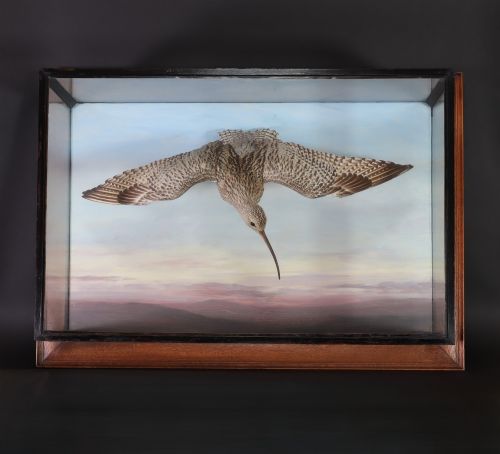
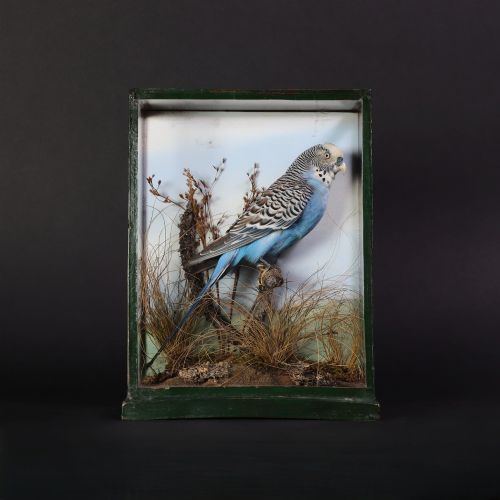
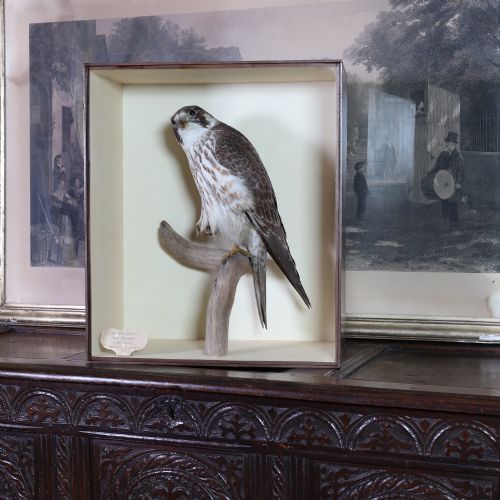
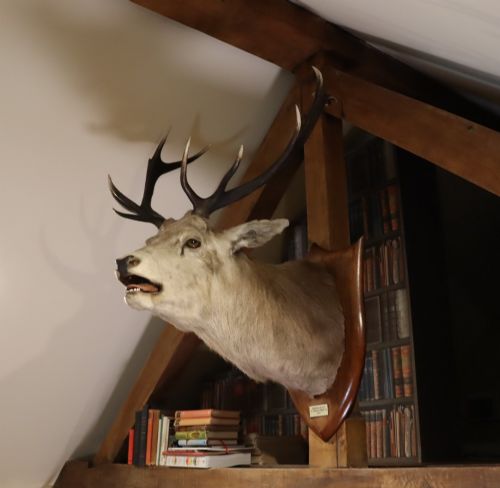
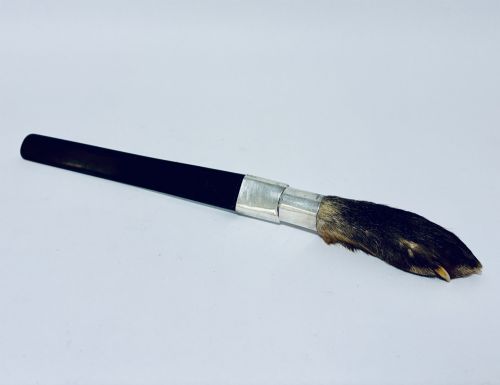
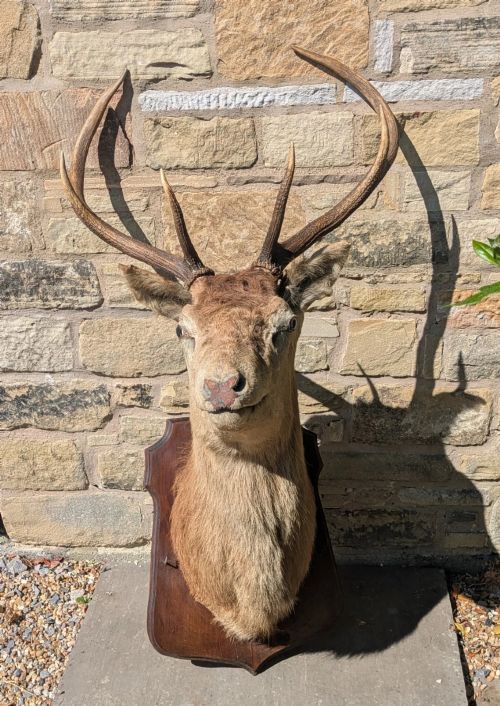
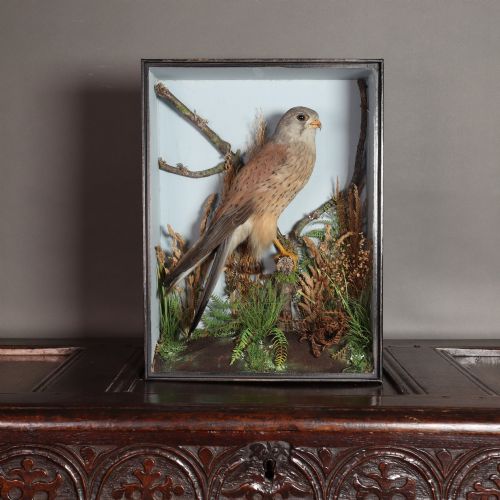
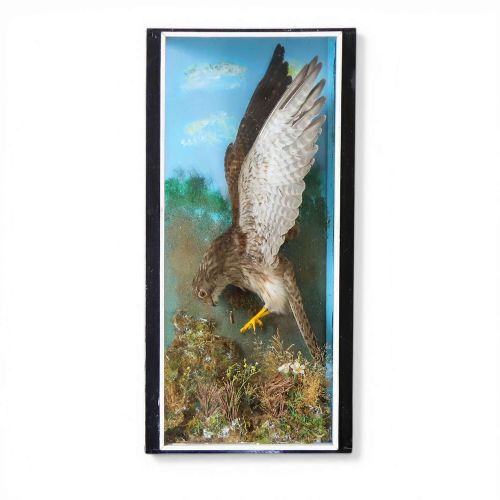
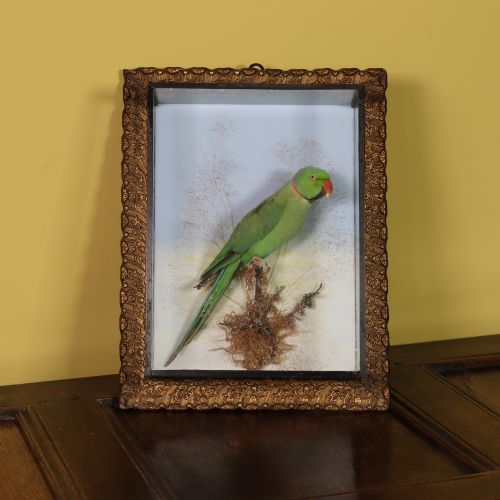
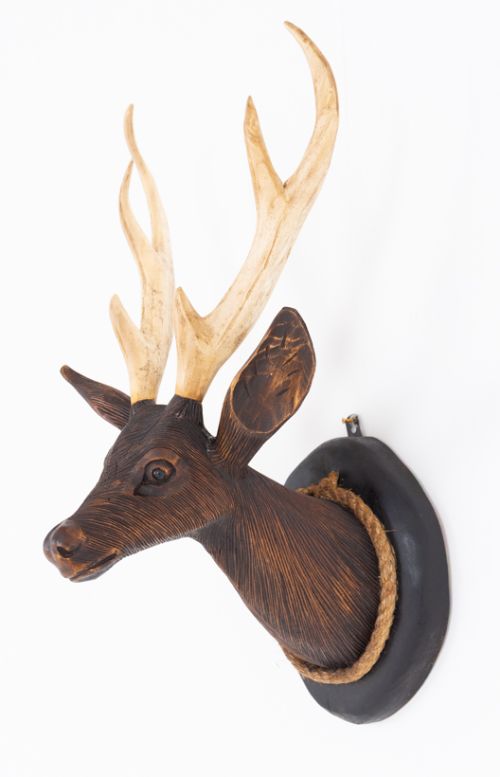
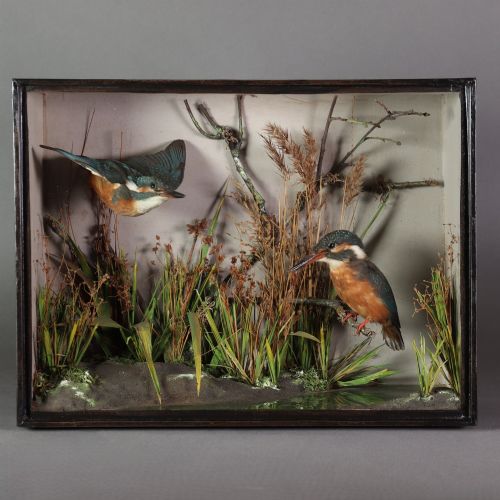
When you search for vintage taxidermy, you encounter preserved birds, mammals, fish, and skeletal remains originating from the Victorian era up to the early twentieth century. The selection spans wall-mounted trophies like deer and antelope heads, cased dioramas of birds, and functional items incorporating horns and hides.
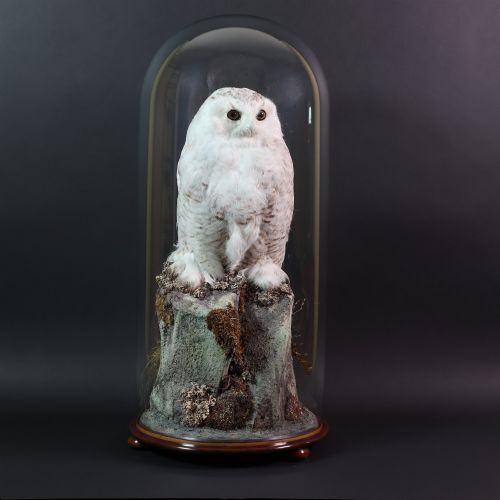
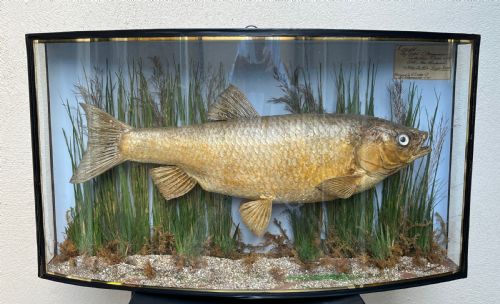
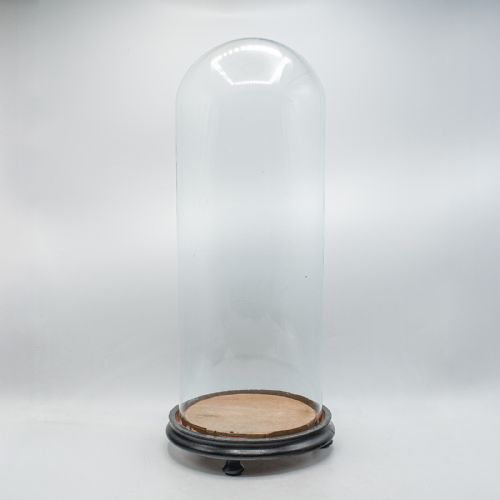
You are most likely to meet specimens mounted on carved wood shields, housed inside glass domes, or arranged within painted wooden display cases. These objects reflect nineteenth and early twentieth-century domestic interiors, from country houses to Highland lodges.
How they were made
Taxidermists shaped internal armatures from wire, wood, and plaster, stretching cured hides and skins over these forms to rebuild natural anatomy. Feathers, fur, and scales were cleaned, treated, and groomed by hand to restore lifelike posture.
Mounts required carpentry skills for oak display shields, painted wooden dioramas, and turned wooden bases. Glass domes, cloches, and glass-fronted cases protected delicate specimens from dust and moisture.
Vintage Taxidermy Retail Price Guide 2026
Typical asking prices for vintage taxidermy among the pieces listed under this phrase on Sellingantiques today, from the lower quarter to the upper quarter. They describe what is for sale here now, not the wider market.
Several Victorian specimens record specific domestic companions, including a remarkable pet dog preserved by Welsh taxidermist Hutchings.
What varies in quality
Quality rests in the anatomical accuracy of the pose, the retention of natural posture, and the condition of the pelts, feathers, or scales. Superior examples maintain the vitality and expression of the living animal without visible distortion.
The enclosure or mounting adds distinction, with signed paper labels from notable practitioners, hand-painted background scenery inside glazed dioramas, and heavy carved oak shields indicating superior workshop production.
Little & Co·J Griffiths of Burford·T E Gunn·William Bazeley & Sons·Peter Spicer & Sons·John Hancock·Rowland Ward·Gerrard & Sons·S King·Hutchings of Aberystwyth·James Jones
The Vintage Taxidermy Glossary
- Taxidermy case
- A glazed wooden box designed to protect mounted specimens in a recreated natural habitat.
- Display dome
- A blown glass bell jar set on a wooden base to cover and protect delicate mounts.
- Shield
- A shaped wooden plaque, frequently carved in oak, used for mounting horned animal heads to walls.
- Diorama
- A three-dimensional scene grouping preserved specimens within a painted landscape background.
- Hide
- The skin of a large animal, utilised for floor rugs or occasional furniture surfaces.
- Antler
- Bony outgrowths shed annually by members of the deer family, mounted singly or as matched sets.
Vintage Taxidermy: Frequently Asked Questions
How should I clean glass taxidermy cases?
Wipe the exterior glass panels gently using a soft cloth and standard glass cleaner applied to the cloth rather than directly onto the surface. Avoid spraying moisture near wooden joints or old paper labels.
Keep the interior sealed where possible to prevent dust accumulation on the delicate feathers or fur inside the display.
Where should I place wall mounts?
Mount heavy oak shields and antler trophies directly onto secure wall studs using appropriate fixings to support the weight. Ensure the backing wood does not warp from damp plaster.
Position specimens away from direct sunlight and strong heat sources to prevent the fading of feathers, fur, and taxidermy hide over time.
How do I identify Victorian specimens?
Examine the construction of the case, the style of the wooden mount, and any handwritten or printed paper trade labels pasted inside or on the back. Victorian examples often utilise heavy glass cloches, hand-painted botanical backgrounds, and carved oak shields.
Look for taxidermist signatures or dates on paper labels attached to the base or frame to confirm the exact period of origin.