






Vintage Taxidermy Horns
These vintage taxidermy horns bring the raw presence of the natural world indoors, offering striking wall decor and sculptural character for the home.
Vintage Taxidermy Horns
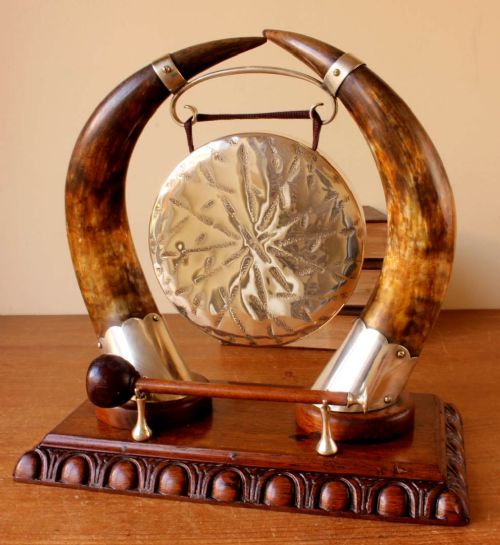
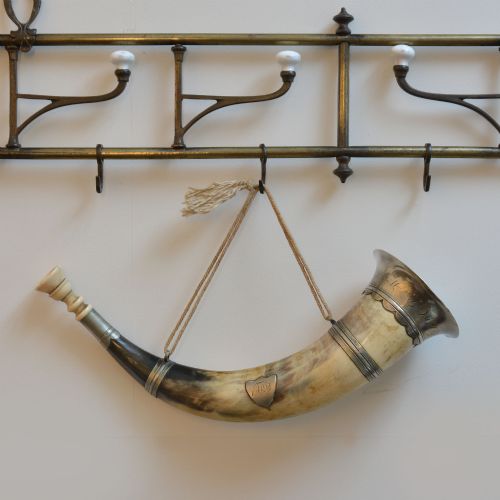
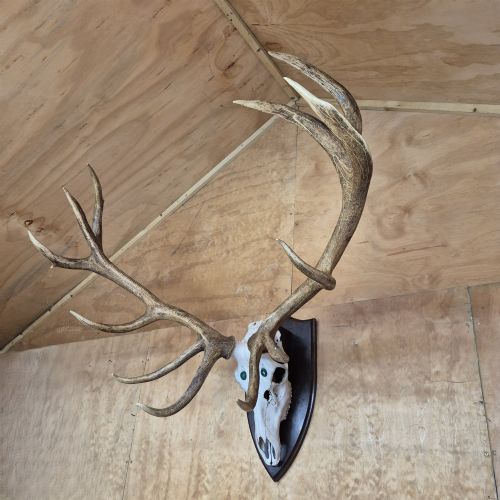
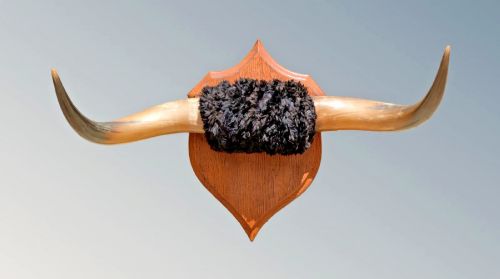
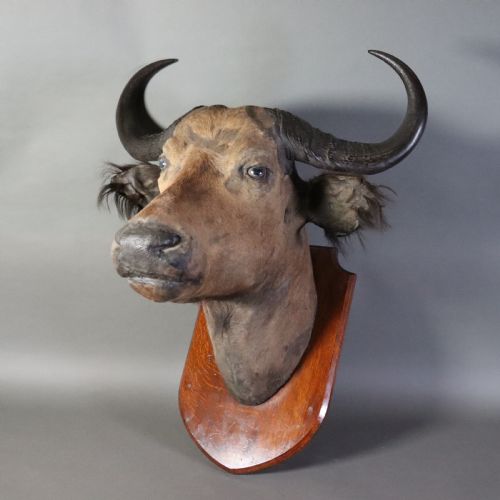
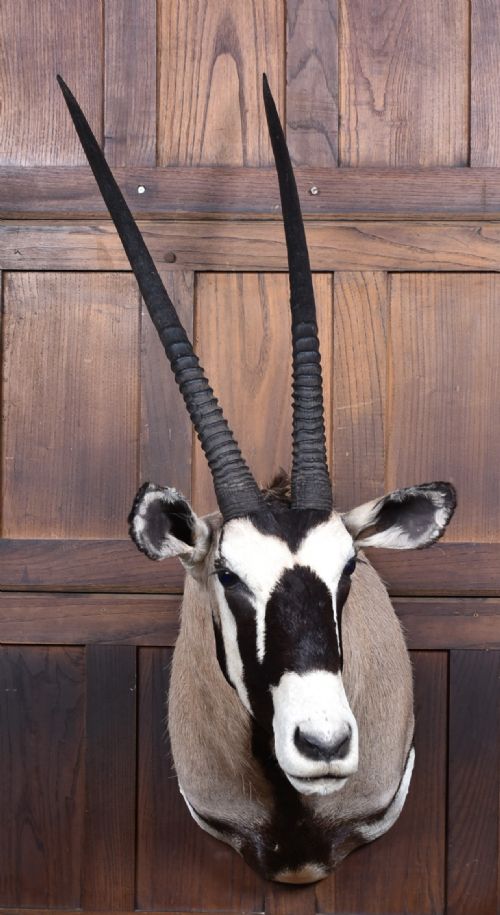
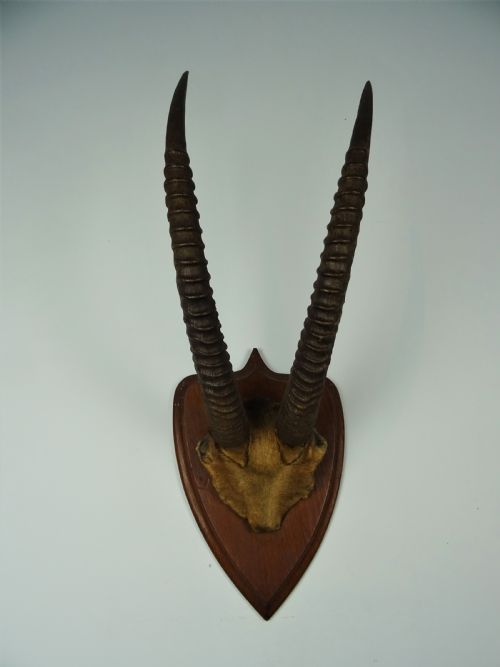
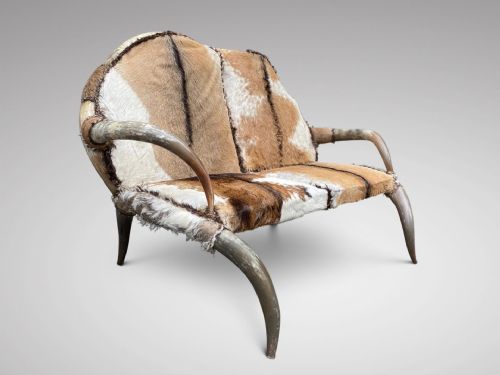
When you search for vintage taxidermy horns, you encounter a selection of mounted animal trophies and cranial specimens spanning from the late nineteenth century into the early twentieth century. The forms range from complete head mounts of African antelopes to wall-hung antlers and horn pairs mounted upon wooden shields.
The pieces most frequently met on this page include red deer antlers, springbuck trophy heads, and mounted steer or buffalo horns. These examples reflect periods such as the Victorian and Edwardian eras, alongside Highland traditional and natural history styles.
Originating from sporting collections and cabinet of curiosities traditions, these specimens serve primarily as wall decor and sculptural focal points. Their presence bridges interior design with historical natural science.
How they were made
The physical construction of these pieces relies heavily on organic materials, combining horn, bone, and taxidermy hide with wooden mounting elements like oak shields. Taxidermists prepared the skulls and horn cores, attaching them securely to carved wooden backings designed for wall hanging.
Preservation techniques of the Victorian and Edwardian periods involved treating the hide and bone to withstand indoor environments while retaining natural textures. Antlers and horns were typically cleaned and polished, occasionally mounted on stands or fitted with brass hardware for display.
Vintage Taxidermy Horns Retail Price Guide 2026
Typical asking prices for vintage taxidermy horns among the pieces listed under this phrase on Sellingantiques today, from the lower quarter to the upper quarter. They describe what is for sale here now, not the wider market.
Some springbuck specimens maintain an expression of mild surprise that lasted well past the Edwardian era.
What varies in quality
Quality in these specimens is defined by the symmetry and scale of the horns, the fidelity of the taxidermy work, and the integrity of the supporting wood shield. Master taxidermists like Gerrard and Sons achieved superior anatomical proportion and robust mounting that endures across decades.
The condition of the taxidermy hide and the natural patination of the bone also dictate the standing of a piece. Finer examples maintain original surface textures and secure fastenings, whereas lesser specimens show heavy restoration or structural wear.
Gerrard and Sons London·Edward Gerrard and Sons
The Vintage Taxidermy Horns Glossary
- Taxidermy mount
- The preserved skin and cranial structure of an animal prepared for display. These items often include horns or antlers attached to a wall plaque.
- Shield
- The carved wooden board or plaque upon which horns or trophy heads are mounted for hanging. Oak is a common material for these supports.
- Natural history
- A nineteenth-century collecting tradition focused on the study and display of animals and natural artefacts. This style emphasises scientific curiosity alongside decorative appeal.
- Trophy head
- A taxidermy preparation featuring the head, neck, and horns of an animal. These pieces capture the likeness of the living creature for interior display.
Vintage Taxidermy Horns: Frequently Asked Questions
How do I hang heavy horn mounts securely?
These specimens require heavy-duty fixings driven directly into wall studs or solid masonry, given the substantial weight of the oak shields and cranial bone. Using appropriate wall anchors ensures the mount stays firmly in place.
Position the mount at eye level to replicate historical display methods found in period interiors and Highland lodges.
What is the difference between horns and antlers?
Horns are permanent, keratinous sheaths grown over a bony core that do not shed, found on animals like steerts, buffalo, and antelopes. Antlers are made entirely of bone and are shed and regrown annually by members of the deer family.
Both forms appear frequently across Victorian and Edwardian taxidermy collections.
How should I clean taxidermy hide and horns?
Dust the horns and hide gently with a soft, dry brush or a feather duster to remove surface particles. Avoid using water or liquid chemical cleaners, which can damage fragile historical hide and organic materials.
Keeping the pieces away from direct sunlight and excessive moisture preserves the natural condition of the bone and fur.
How do I date an antique horn mount?
Dating relies on examining the construction of the wooden shield, the mounting hardware, and any maker marks or inscriptions on the reverse. Victorian and Edwardian pieces often feature hand-written ink dates or maker labels from taxidermy firms.
Stylistic cues, such as the carving on oak shields, also help narrow the period of origin between the 1880s and the 1920s.