
Vintage Tableware
Vintage tableware brings substance to the table through silver, ceramic and glass forms spanning the nineteenth and twentieth centuries.
Vintage Tableware
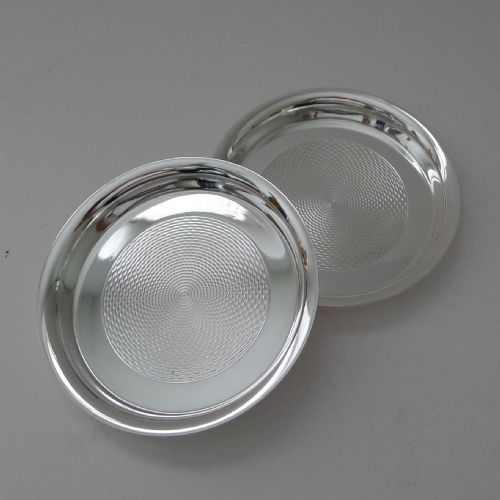
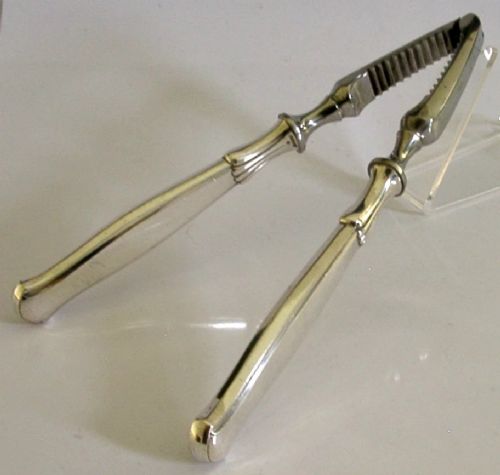
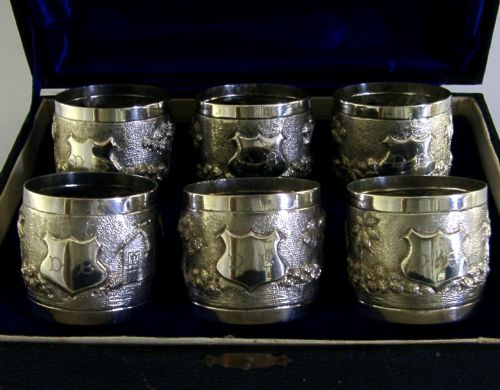
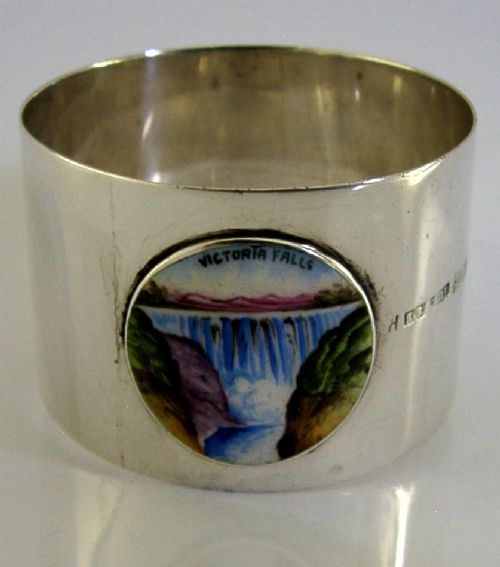
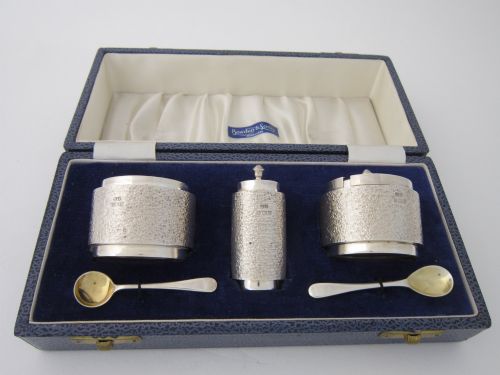
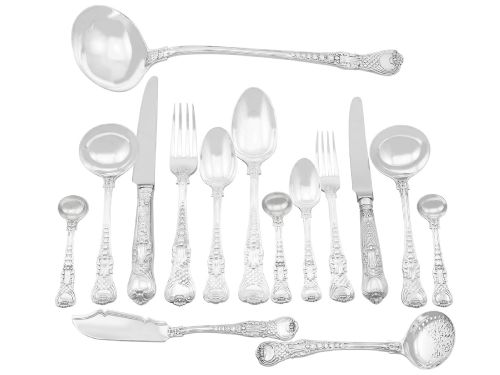
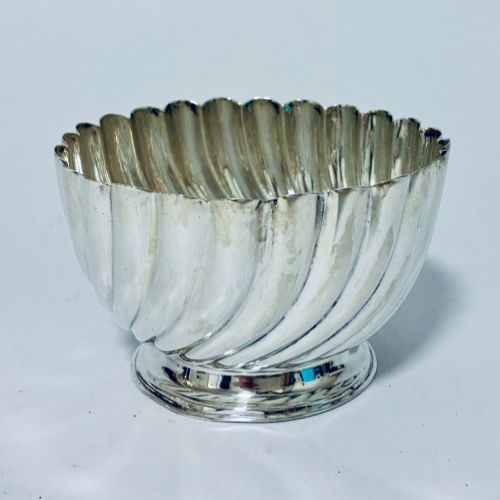
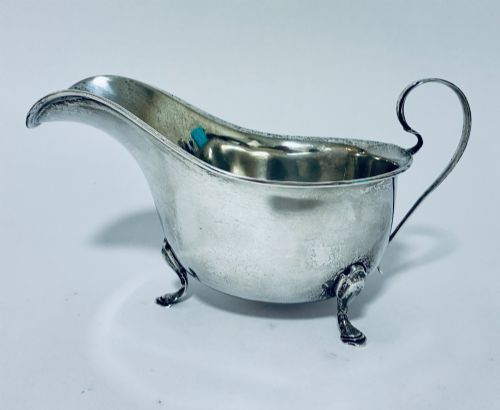
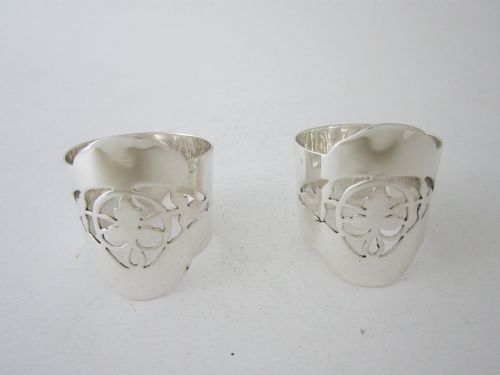
Vintage tableware encompasses practical dining accessories and serving pieces used across formal and domestic settings. Buyers searching for vintage tableware encounter a diverse range of items including napkin rings, cruet sets, toast racks, cutlery, sauce boats and plates.
The selection reflects production from the Georgian period through to the mid-twentieth century. Edwardian and Art Deco designs feature heavily alongside Victorian and mid-century modern examples.
Silver and silver plate dominate the offerings, complemented by ceramic services from factories such as Spode and Royal Crown Derby. Glassware and enamel accents also appear among the dining implements.
Materials and construction
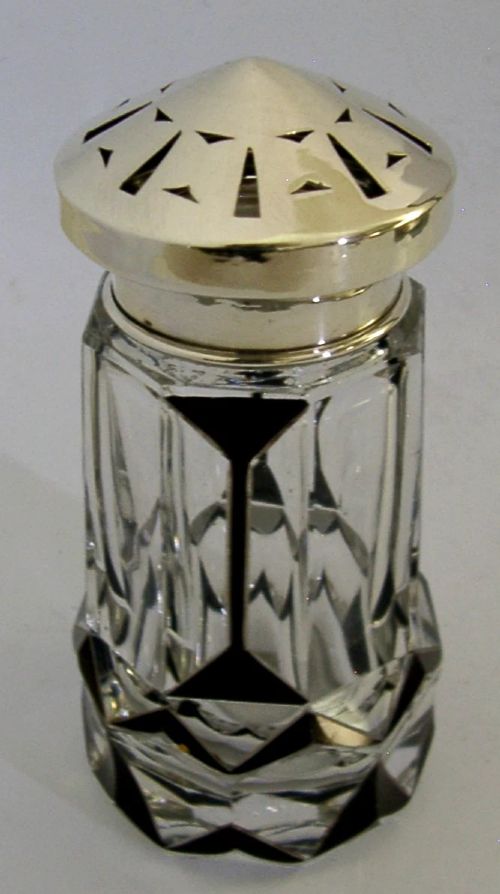
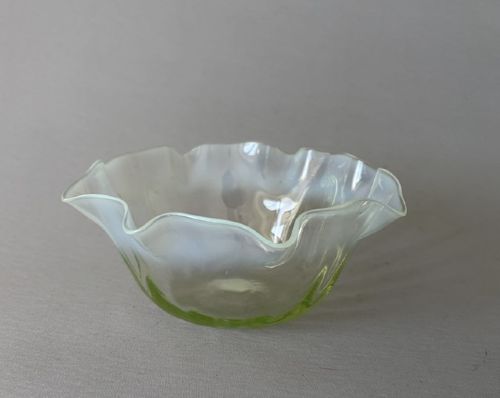
Sterling silver and silver plate form the backbone of metal tableware items, shaped through hammering, casting and piercing techniques. Makers applied enamel decoration to metal surfaces for colour, while cut crystal and vaseline glass provided contrasting transparency in bowls and cellars.
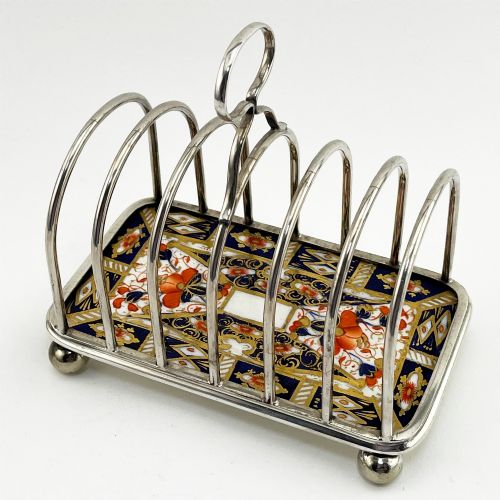
Ceramic pieces relied on traditional pottery methods, utilising hand-painted glazes such as the Imari palette on porcelain bodies. Handles incorporated alternative materials like agate, velvet, silk and steel to provide tactile variety in cutlery and serving utensils.
A silver swan salt cellar with movable wings brings a distinct touch of theatre to the dining table.
Distinctions in quality
The standard of vintage tableware rests on the crispness of maker marks, the depth of metal chasing, and the precision of ceramic transfer printing or hand-painting. Substantial gauge silver and robust crystal indicate higher production standards.
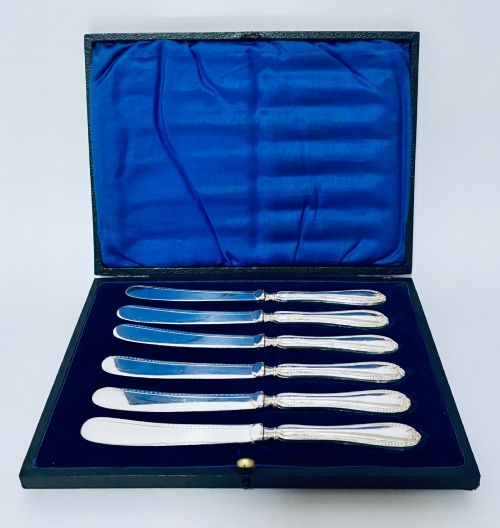
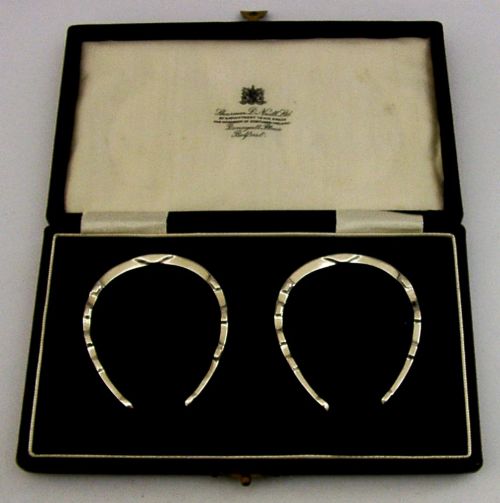
Completeness of cased sets and original fitted boxes elevate pieces above loose equivalents. Design ambition, such as novelty forms like owl menu holders or horse shoe napkin rings, separates standard utility ware from superior decorative items.
Hammond Turner and Sons·Albert Edward Jones·Levi and Salaman·Georg Jensen·Royal Crown Derby
The Vintage Tableware Glossary
- Cruet set
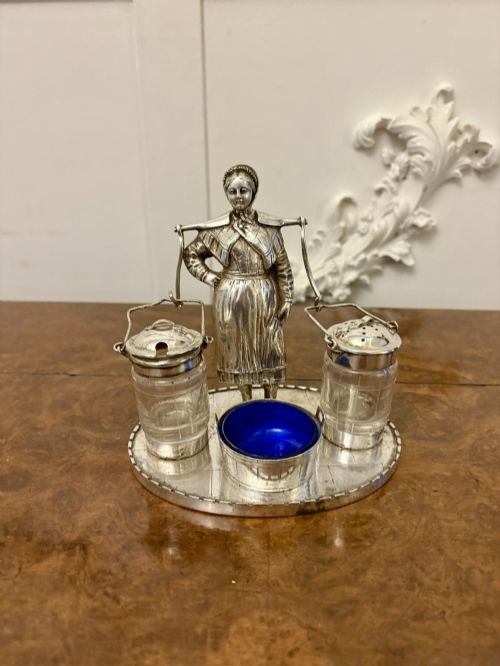
- A matched collection of condiment containers, typically holding salt, pepper and mustard. These sets often sit within a dedicated silver or plated frame.
- Toast rack
- A small metal frame with vertical dividers designed to hold slices of toast upright. This form keeps toast crisp by allowing air to circulate around the bread.
- Tea strainer
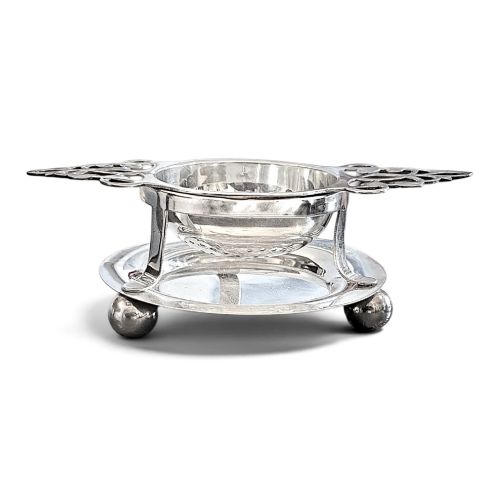
- A small perforated device placed over a teacup to catch loose tea leaves during pouring. Many examples include a matching small stand to rest the strainer after use.
- Caddy spoon
- A short-handled spoon specifically used for measuring loose tea from a caddy into a teapot. These spoons frequently feature novelty or decorative handles.
- Imari
- A style of ceramic decoration featuring rich underglaze blue and overglaze iron red and gilt. This aesthetic originated in Japan and influenced European porcelain factories.
Vintage Tableware: Frequently Asked Questions
How do I clean silver tableware?
Use a soft cloth with a reputable silver polish to remove tarnish without abrading the metal surface. Avoid harsh chemical dips that strip away desirable patination.
Wash silver components by hand in warm soapy water and dry them thoroughly immediately afterwards to prevent water spotting.
Can I use antique plates daily?
Antique ceramic plates tolerate regular gentle use if washed by hand rather than subjected to modern dishwasher cycles. Extreme thermal shock from hot liquids or microwaves should be avoided.
Glazes from earlier centuries may wear with heavy friction, so reserve delicate enamel or gilt pieces for lighter dining occasions.
What is a silver plate?
Silver plate refers to a base metal, commonly copper or nickel brass, coated with a thin layer of sterling silver. This technique offered a more affordable alternative to solid silver dining accessories.
Makers often stamped plated items with specific marks to indicate the plating process used.
How do I date silver tableware?
British silver items carry hallmarks that include a date letter indicating the exact year of assay and manufacture. Duty marks and maker's initials also help narrow down the period of production.
Unmarked pieces rely on stylistic indicators, such as the geometric lines of Art Deco or the ornate motifs of the Victorian era.