



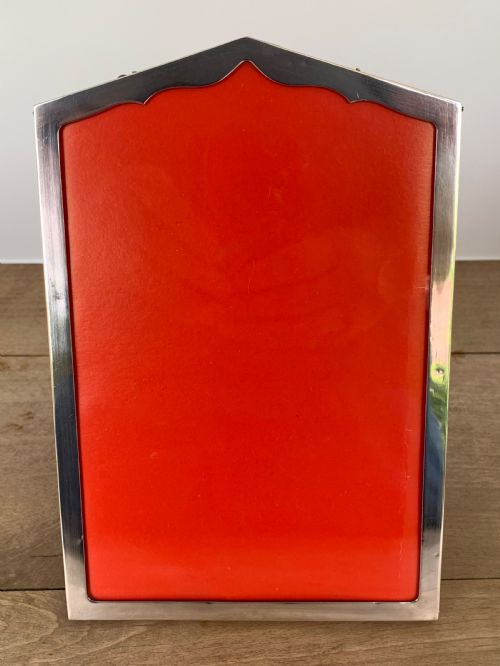


Vintage Tabletop Accessories
Vintage tabletop accessories bring small-scale utility and decorative refinement to desks and sideboards from Georgian times through the Art Deco era.
Vintage Tabletop Accessories
Vintage tabletop accessories comprise a varied collection of desk items, smoking requisites, and small display pieces designed for daily use in nineteenth and early twentieth century rooms. Buyers searching for vintage tabletop accessories encounter functional objects such as letter boxes, photo frames, book stands, and desk boxes intended to organise personal writing spaces.
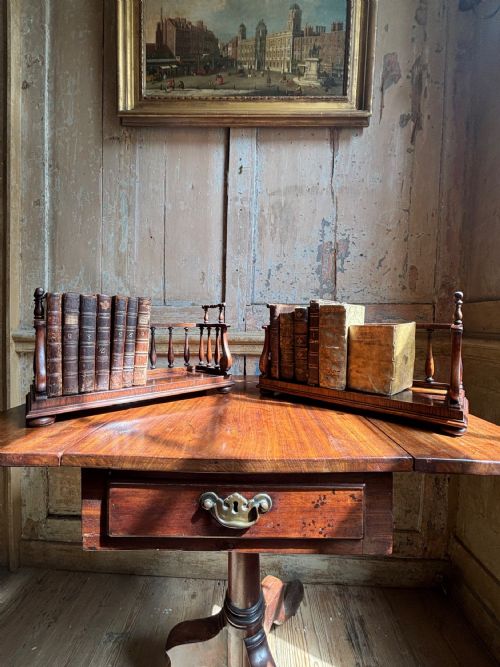
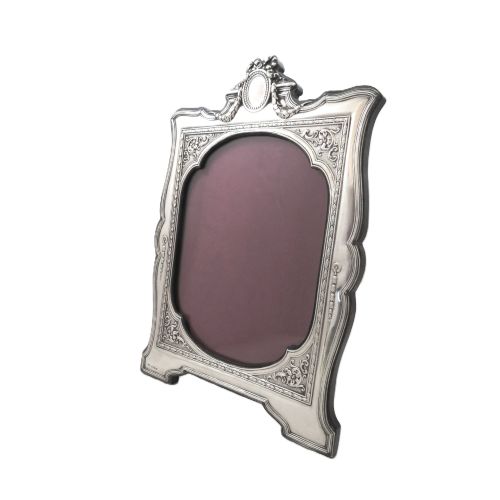
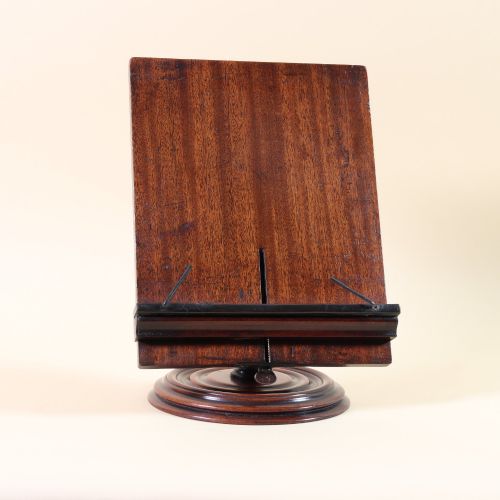
The selection ranges from Georgian mahogany wig stands and William IV book rests to Edwardian silver photo frames and Art Deco easel frames. Pieces span the Victorian, Edwardian, and George V eras, reflecting the changing domestic habits and writing rituals of past households.
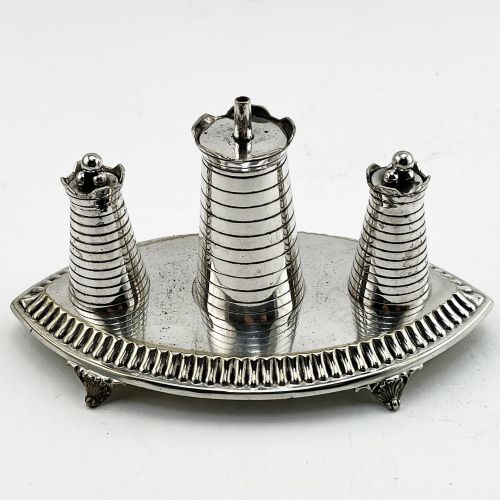
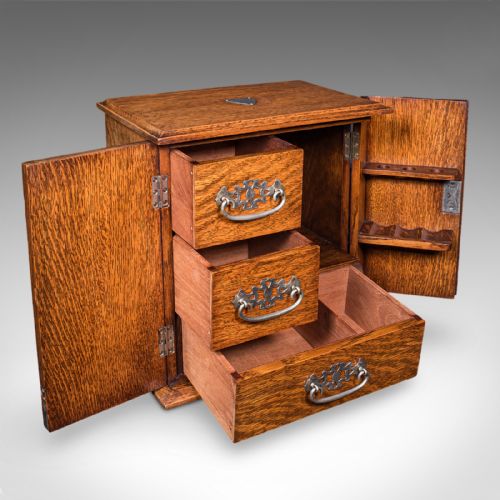
Desk accessories on this page appear in materials such as solid silver, silver plate, mahogany, oak, brass, and cut crystal. Functional forms predominate, including smoking cabinets, triple drinks coaster carts, table lighters, and magnifying glasses.
How they were made
Woodworking forms a primary part of these items, with hardwoods like mahogany, rosewood, and oak shaped into desk tidies, book stands, letter boxes, and smoking cabinets. Carpenters utilised traditional joinery and turned components to construct durable pieces for domestic and library use.
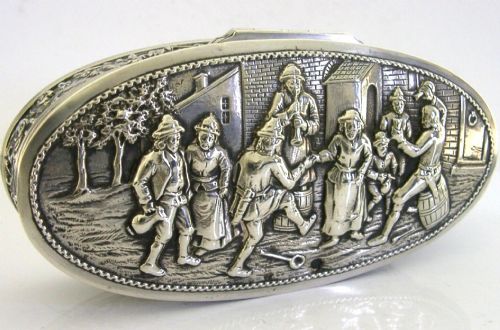
Metalworking techniques are equally prominent, featuring cast iron, brass, sterling silver, and silver plate shaped into photo frames, desk boxes, cigar lighters, and candle sticks. Silversmiths and metalworkers applied hallmarks, chasing, and plating to embellish functional items.
Combination pieces integrate varied substances, pairing brass fittings with mahogany bases, or mounting cut crystal within silver-plated frames. Horn, glass, and iron also appear alongside wood and silver, demonstrating mixed-media construction typical of nineteenth and early twentieth century manufacturing.
Vintage Tabletop Accessories Retail Price Guide 2026
Typical asking prices for vintage tabletop accessories among the pieces listed under this phrase on Sellingantiques today, from the lower quarter to the upper quarter. They describe what is for sale here now, not the wider market.
Listings feature items spanning the 19th century through the 1930s, incorporating woods like mahogany, oak, and rosewood alongside silver and brass.
What varies in quality
Quality in these accessories rests on the weight of the materials and the precision of the construction, distinguishing solid silver and heavy hardwoods from lighter plated wares and simpler constructions. Substantial gauge metal and well-figured timber indicate higher standards of production.
Design ambition and decorative detail separate standard utilitarian items from finer examples created by known makers or specific artistic movements. Pieces incorporating distinct styles like Art Nouveau or specific forms such as castle-style cigar lighters show greater design consideration than plain equivalents.
Deakin & Francis·Jan Eisenlöffel·WMF
The Vintage Tabletop Accessories Glossary
- Letter box
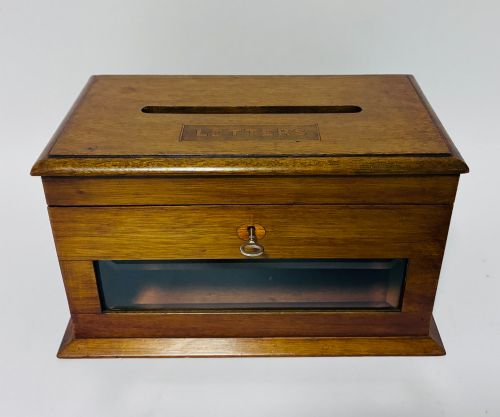
- A desktop container with a hinged slot lid designed for holding incoming or outgoing correspondence. These wooden or metal boxes kept desks tidy in the nineteenth and early twentieth centuries.
- Table lighter
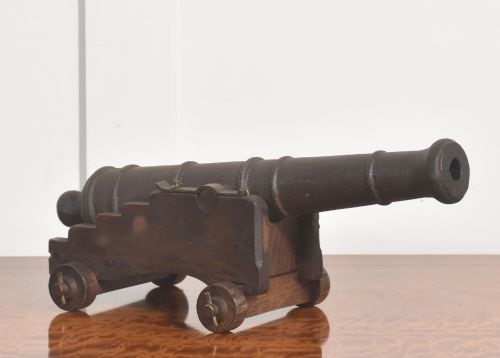
- A mechanical device placed on a tabletop or smoking table to provide a flame for cigars and cigarettes. Examples often took decorative forms, including novelty items shaped as cannons or architectural structures.
- Smoking cabinet
- A small enclosed chest fitted with compartments for pipes, tobacco, and matches. Edwardian and Victorian models frequently included locking doors and specialised racks.
- Desk tidy
- An integrated wooden stand or rack designed to hold books, papers, and writing implements upright. They served to keep desktop surfaces organised in studies and libraries.
- Hallmark
- An official stamp applied to precious metals indicating the purity, maker, and assay office of the silver item. British silver pieces often bear date letters corresponding to specific years.
Vintage Tabletop Accessories: Frequently Asked Questions
What are vintage tabletop accessories?
Vintage tabletop accessories are small decorative and functional items used on desks, tables, and sideboards during the nineteenth and early twentieth centuries. They include writing equipment, smoking requisites, photo frames, and desktop storage.
These pieces reflect the domestic habits and office organisation methods of the Georgian, Victorian, and Edwardian periods. Materials range from fine hardwoods to sterling silver and brass.
How were desk accessories used historically?
Desk accessories were employed to organise correspondence, illuminate reading spaces, store smoking materials, and display portrait photographs. Items like letter boxes, desk tidies, and book stands kept workspaces orderly before the digital era.
Many pieces were specific to writing rituals, such as wig stands or inkwells, while others served entertaining functions like drinks carts and cigar lighters.
How do I date a vintage tabletop accessory?
Dating these items involves examining hallmarks on silver pieces, construction methods, wood types, and prevailing decorative styles. Georgian, Victorian, Edwardian, and Art Deco periods each display distinct characteristics.
Makers' marks and registration numbers stamped into metal or wood also provide specific production years or eras.
How should I care for wooden and silver desk items?
Wooden accessories benefit from occasional application of appropriate wax polish to maintain the finish of mahogany and oak. Avoid placing them in direct sunlight or areas of high humidity.
Silver-plated and sterling silver items require gentle cleaning with a soft cloth to preserve metal surfaces without damaging hallmarks or plating.