





Vintage Table Warmer
These vintage table warmer pieces keep food and sauces hot at the table using silver plate, copper, brass, and ceramic materials.
Vintage Table Warmer
When you search for vintage table warmer, you find functional serveware designed to maintain the temperature of dishes during dining. The selection includes biscuit barrels, gravy boats, sauce tureens, food warmers, serving dishes, and spoon warmers.
The pieces on this page span the 19th Century, Victorian, Edwardian, 1800, 1880, 1900, and 1920 periods. Forms range from rectangular entree dishes and rotating dish rings with burners to copper centre pieces and bain-maries.
Continental Rococo Revival, Victorian Colonial, Traditional Country, and Georgian styles appear alongside Edwardian and Victorian designs. Buyers encounter silver plate, electroplated nickel silver, copper, brass, cut glass, ceramic, and cast metal constructions.
How they were made
Metalworking techniques shape the silver plate, copper, brass, and electroplated nickel silver bodies of these warmers. Makers utilise casting for heavier components and sheet metal forming for vessels and dishes.
Ceramic and cut glass elements integrate with metal frames to create serving pieces intended for direct table use. Silver plating layers precious metal over base metals to achieve a polished finish.
Vintage Table Warmer Retail Price Guide 2026
Typical asking prices for vintage table warmer among the pieces listed under this phrase on Sellingantiques today, from the lower quarter to the upper quarter. They describe what is for sale here now, not the wider market.
What varies in quality
The distinction between standard utility items and finer examples rests on the weight of the metal and the precision of the mechanics, such as rotating rings and burners. Thicker silver plating and well-executed hobnail cut glass elevate the standard of the piece.
Stylistic ornamentation, from Continental Rococo Revival motifs to detailed Edwardian mounts, separates basic serving vessels from more ambitious dining table centre pieces.
Padley Parkin And Staniforth·Gioielleria Agliardi Cassino
The Vintage Table Warmer Glossary
- Bain-marie
- A heated water bath used to keep food warm without overheating it. This setup appears in copper table top warmers.
- Argyll
- A type of gravy warmer featuring an internal hot water chamber to keep sauces from cooling. This design prevents fat from solidifying during long meals.
- Biscuit barrel
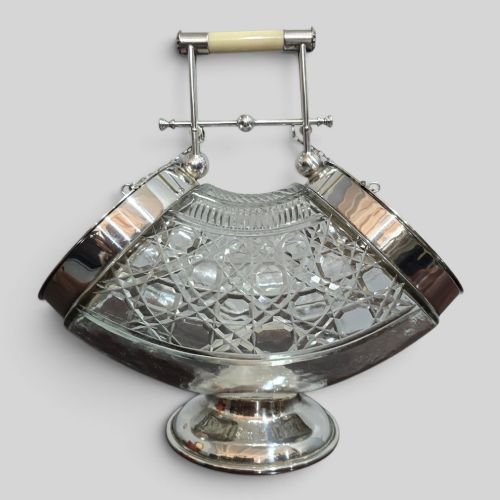
- A covered container designed for storing and serving dry biscuits at the table. These often feature cut glass bodies with silver plated mounts.
- Footman
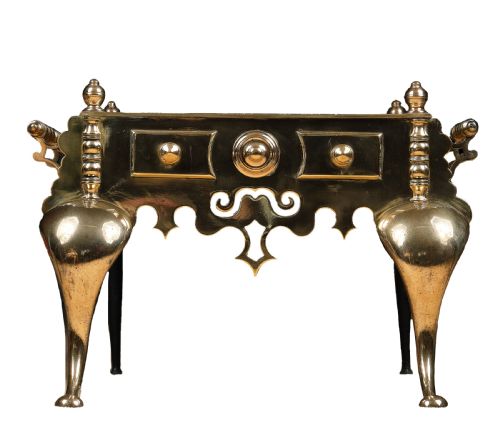
- A metal stand placed near a hearth or at the table to support hot dishes. Welsh brass examples are typical of this form.
- Dish ring
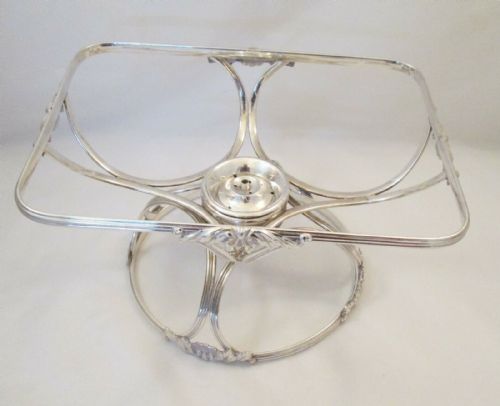
- An open frame, often rotating, designed to hold serving dishes above a burner. These incorporate burners to supply continuous heat.
Vintage Table Warmer: Frequently Asked Questions
What is a vintage table warmer used for?
These items serve to keep food, gravy, and biscuits warm during dining. They utilise hot water chambers, burners, or heated water baths.
Designs range from dedicated gravy warmers to large serving dishes and footmen. They provide a practical way to maintain food temperature at the table.
How do I identify an Edwardian table warmer?
Edwardian pieces often feature bright silver plating, hobnail cut glass, or ceramic liners. The style draws on traditional forms with lighter proportions.
Maker marks and specific construction methods help confirm the period alongside stylistic indicators like Edwardian decorative motifs.
What materials are used in these warmers?
Construction materials include silver plate, electroplated nickel silver, copper, and brass. Some items incorporate cut glass or ceramic components.
Cast metal and sheet metal are standard for the structural bodies, paired with metal burners or water compartments.
How do rotating dish rings work?
Rotating dish rings support a serving dish above a central burner. The revolving mechanism allows diners to access the food easily.
These pieces combine a metal frame, a burner for heat, and a dish ring to hold the vessel securely.