






Vintage Swiss Musical Box
These vintage swiss musical box examples combine intricate mechanical movements with rich wooden cabinetry, offering a tactile piece of auditory history for any room.
Vintage Swiss Musical Box
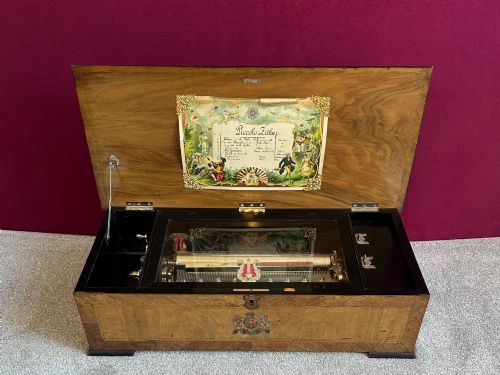
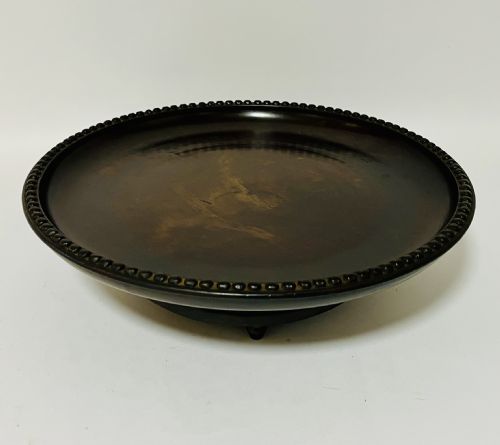
A vintage swiss musical box is typically housed in a wooden case made of rosewood, walnut, or ebonised wood, often detailed with marquetry inlay or designed as a decorative bowl in Swiss folk art styles.
The objects available span from Victorian and Edwardian periods down through the late nineteenth and early twentieth centuries, encompassing standard cylinder boxes as well as variations featuring visible bells or mandolin effects.
Buyers seeking this phrase will find a steady representation of nineteenth century craftsmanship, alongside occasional twentieth century interpretations that maintain the traditional cylinder mechanism.
What varies in quality
The number of airs a cylinder can play creates a clear distinction between standard models and more complex musical boxes.
Case construction separates basic boxes from superior examples finished in figured rosewood, walnut, or detailed marquetry inlay.
Vintage Swiss Musical Box Retail Price Guide 2026
Typical asking prices for vintage swiss musical box among the pieces listed under this phrase on Sellingantiques today, from the lower quarter to the upper quarter. They describe what is for sale here now, not the wider market.
Some nineteenth century makers thoughtfully added visible bells so the music box could ring out while entertaining guests.
Langdorff & Fils·B A Bremond·Nicole Freres·LeCoultre
The Vintage Swiss Musical Box Glossary
- Cylinder
- The rotating brass barrel set with pins that pluck the steel teeth of the comb to produce the tune. It forms the primary memory unit of the musical box.
- Air
- A distinct musical tune or melody that the cylinder is pinned to play. Boxes are frequently described by the total number of airs they can cycle through.
- Comb
- The tuned flat plate of steel with multiple individual teeth that vibrate when struck by the cylinder pins. Each tooth corresponds to a specific musical note.
- Marquetry
- The art of applying small pieces of veneer to a wooden structure to form decorative patterns. It frequently decorates the rosewood or walnut lids of these cases.
- Mandolin
- An arrangement of multiple teeth tuned to the same note and struck in rapid succession. This technique mimics the plucked sound of a stringed instrument.
Vintage Swiss Musical Box: Frequently Asked Questions
How do cylinder musical boxes work?
A wound spring turns a pinned brass cylinder, which rotates against a tuned steel comb. Each pin catches a specific tooth to sound a note.
Changing the tune involves shifting the cylinder laterally so a different set of pins aligns with the comb.
What is an air on a musical box?
An air represents an individual musical tune or movement recorded onto the rotating brass cylinder. The number of airs indicates how many distinct melodies the box plays before repeating.
Larger nineteenth century cylinders hold more pins to accommodate multiple airs.
Where were these musical boxes made?
These pieces originate from Switzerland, a country renowned for precision metalwork and horological skill throughout the Victorian era.
Workshops in regions like Geneva produced intricate cylinder movements housed in local timber cases.
How should I care for a wooden music box?
Keep the wooden case away from direct sunlight and fluctuating humidity to protect the rosewood, walnut, or marquetry surfaces. Dust the exterior gently with a dry cloth.
Avoid over-winding the mechanical movement and handle the internal brass and steel components with care.