



Vintage Swedish Seating
These vintage Swedish seating pieces bring understated elegance and sturdy craftsmanship to any interior.
Vintage Swedish Seating
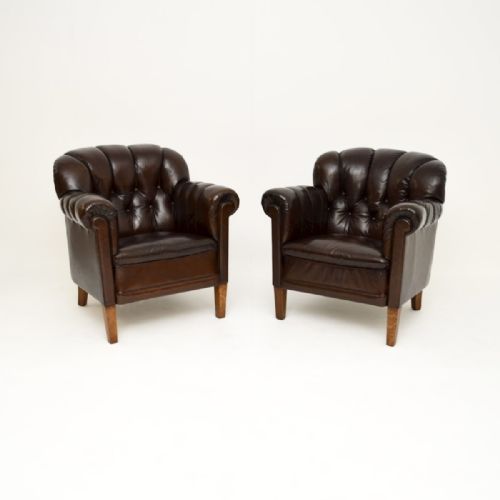
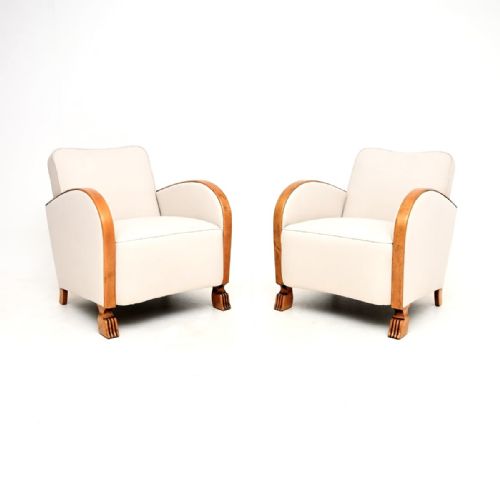
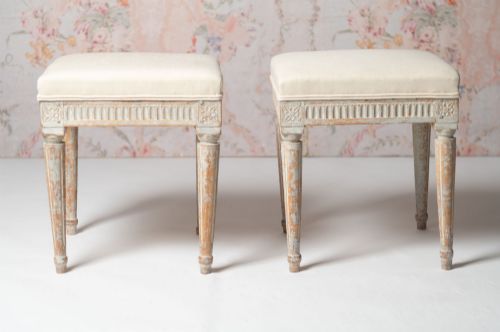
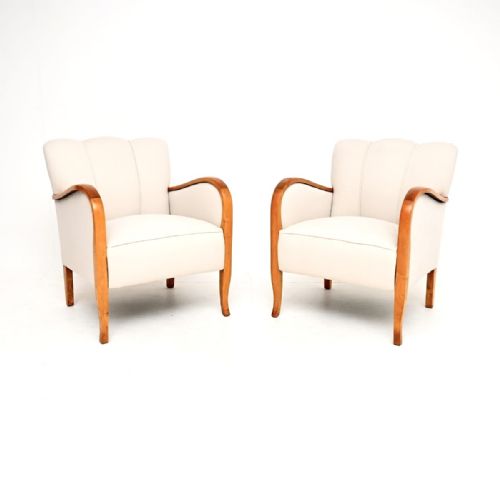
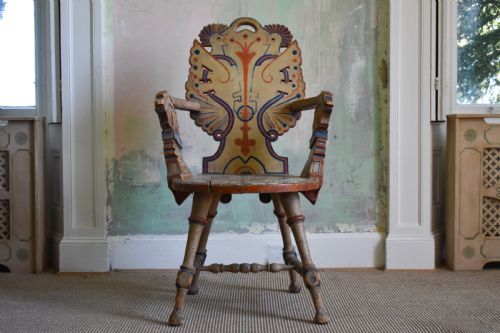
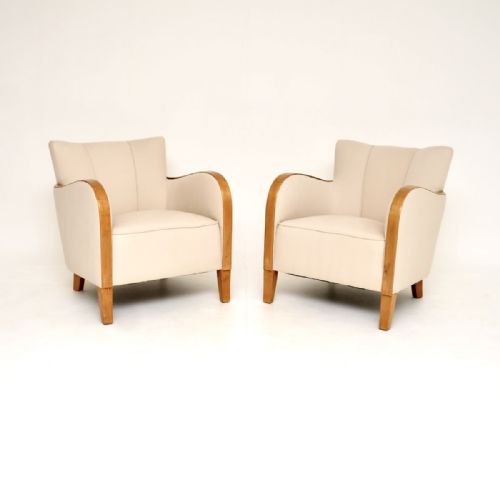
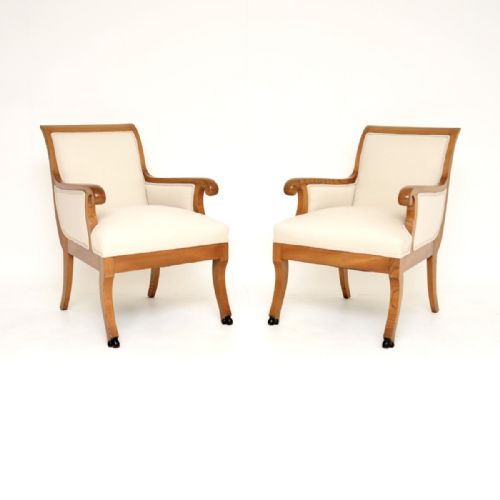
Vintage Swedish seating encompasses a diverse range of forms, from eighteenth-century Gustavian stools and painted settles to nineteen-thirties Art Deco satin birch armchairs. Buyers searching for vintage Swedish seating frequently encounter painted wooden chairs, rustic folk art pieces, and upholstered club armchairs originating across the nineteenth and twentieth centuries.
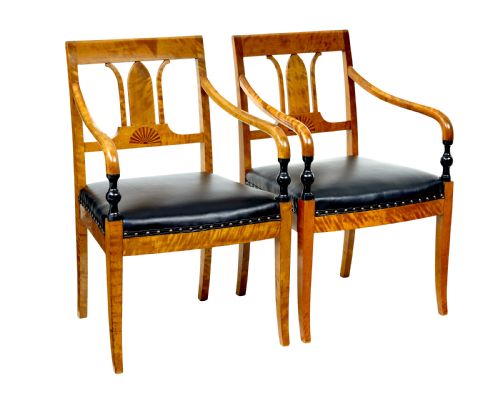
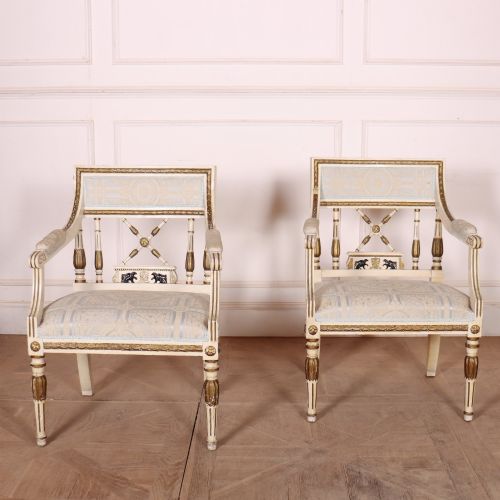
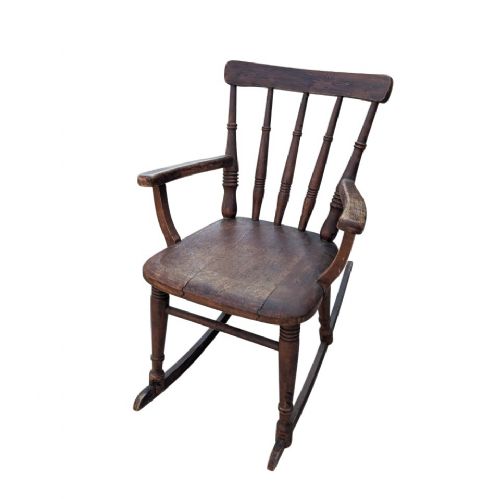
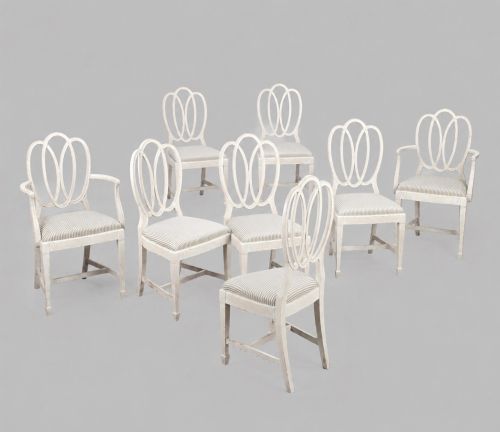
The selection ranges from formal neoclassical dining chairs and Empire style armchairs to child rocking chairs and highchairs. Painted finishes dominate the rustic and neoclassical traditions, while natural wood grains define the later Art Deco and club chair examples.
Materials and construction
Makers utilised native timbers including pine, birch, satin birch, elm, and solid wood frames to build these chairs and benches. Paint was applied to wood surfaces, often creating layered finishes that weathered over time on nineteenth-century and earlier pieces.
Upholstery materials such as leather and various fabrics were integrated into armchairs and club chairs, while structural joinery relied on traditional woodworking techniques appropriate to each period from the eighteenth century onwards.
Vintage Swedish Seating Retail Price Guide 2026
Typical asking prices for vintage swedish seating among the pieces listed under this phrase on Sellingantiques today, from the lower quarter to the upper quarter. They describe what is for sale here now, not the wider market.
Assessing quality
The distinction between tiers rests upon the choice of timber and the sophistication of the design, such as the use of burr birch versus simpler painted pine. Original painted surfaces carry greater interest than later repainted layers, reflecting the historical integrity of the piece.
Proportion and carving detail separate standard regional work from refined urban pieces, particularly visible in the execution of Gustavian, Neoclassical, and Art Deco styles.
The Vintage Swedish Seating Glossary
- Gustavian
- The Swedish neoclassical style spanning the late eighteenth and early nineteenth centuries, characterised by restrained classical motifs and pale painted finishes.
- Satin Birch
- A lustrous timber frequently utilised in twentieth-century Art Deco furniture for its smooth, reflective grain.
- Settle
- A wooden bench with high back and solid arms, often featuring integrated storage beneath the seat.
- Empire Style
- A neoclassical design movement drawing inspiration from ancient Roman and Greek forms, notable in heavier proportions and symmetrical lines.
Vintage Swedish Seating: Frequently Asked Questions
How do I identify Gustavian seating?
Gustavian seating typically exhibits neoclassical restraint, featuring straight tapered legs, subtle carved fluting, and pale painted wood surfaces.
These pieces reflect late eighteenth-century Swedish interpretations of French Louis XVI design, prioritising symmetry and understated elegance over excessive ornamentation.
Where were these chairs used originally?
These chairs and benches served multiple domestic functions across Swedish homes, from formal dining rooms to rural farmhouses and nurseries.
Armchairs and settles provided communal seating in living spaces, while specialised pieces like highchairs and children rocking chairs catered to domestic family life.
How do I care for painted wooden surfaces?
Painted wooden furniture requires gentle dusting with a dry microfibre cloth and protection from direct sunlight to prevent paint cracking and fading.
Avoid chemical cleaning agents and excessive moisture, which can damage original or aged painted finishes on pine and birch structures.
What defines Swedish Art Deco seating?
Swedish Art Deco seating relies on clean geometric lines, club chair forms, and the prominent display of figured woods like birch and elm.
These nineteen-twirties and nineteen-thirties pieces combine modernist comfort with Scandinavian woodworking traditions, often omitting superfluous decoration in favour of material quality.