





Vintage Store Container
A vintage store container brings honest utility to domestic storage, taking the form of sturdy bins and coal buckets that organise wood or provisions with functional grace.
Vintage Store Container
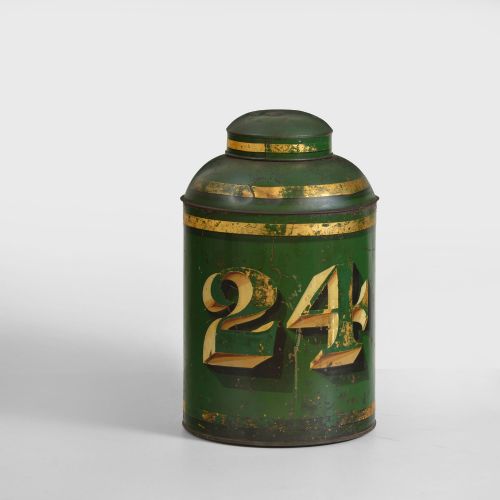
A vintage store container comprises practical receptacles designed for holding provisions, tea, spices, and hearth fuel like coal and logs. These pieces span the nineteenth century through the early twentieth century, encompassing Georgian, Victorian, Edwardian, and Art Deco eras.
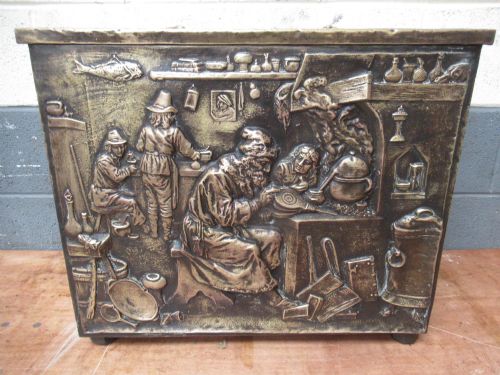
Origins range from English country houses to grocers' shops, utilising durable timbers and metals built to withstand heavy daily use. Buyers encounter both utilitarian vessels and decorative items embellished with brass banding or embossed panels.
How they were made
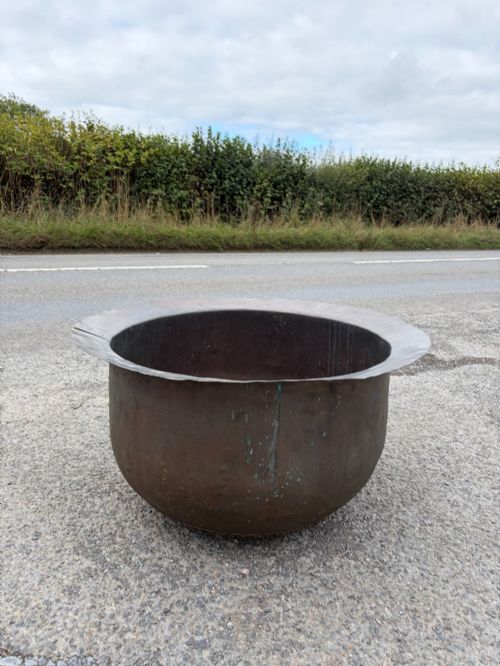
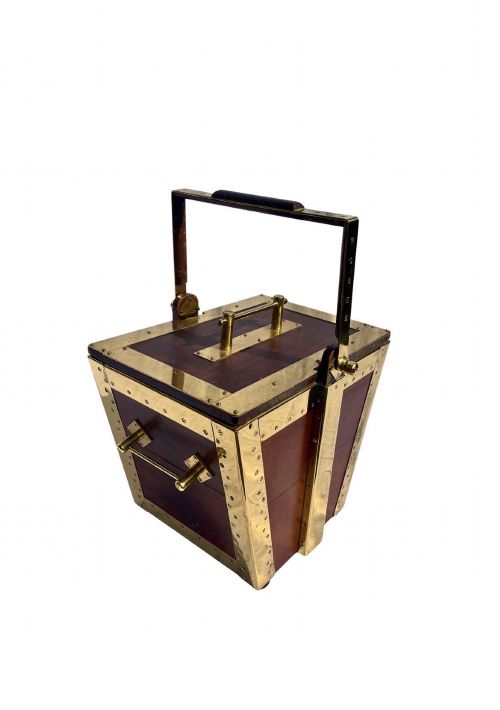
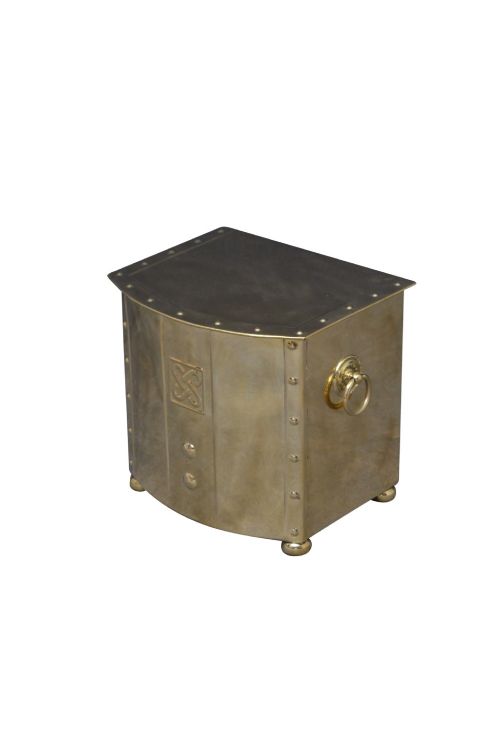
Construction relies on robust materials such as copper, brass, iron, oak, mahogany, pine, and walnut, often combined within a single object. Metal vessels frequently feature riveted seams, embossed decoration, or brass banding to reinforce the body.
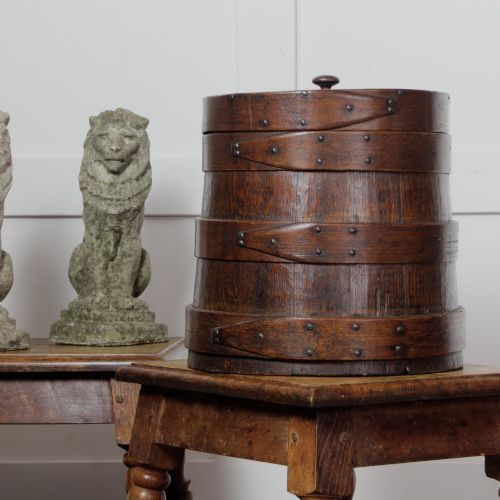
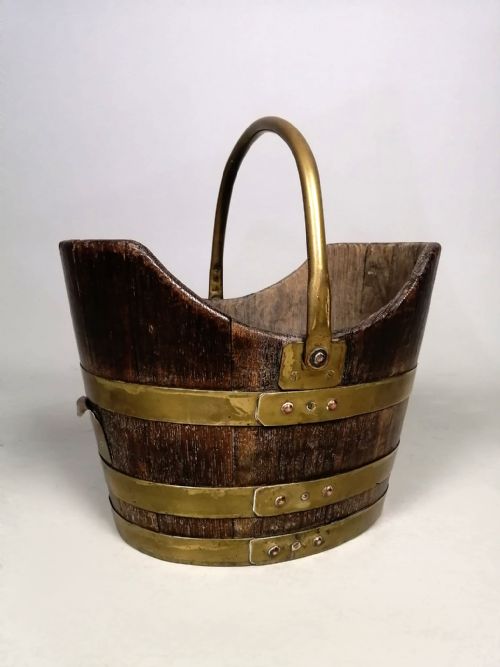
Wooden examples utilise traditional joinery and coopered techniques, binding staves together with metal hoops to create watertight or structurally sound storage bins. Inlaid details and turned treen components demonstrate skilled woodworking traditions across the periods.
Vintage Store Container Retail Price Guide 2026
Typical asking prices for vintage store container among the pieces listed under this phrase on Sellingantiques today, from the lower quarter to the upper quarter. They describe what is for sale here now, not the wider market.
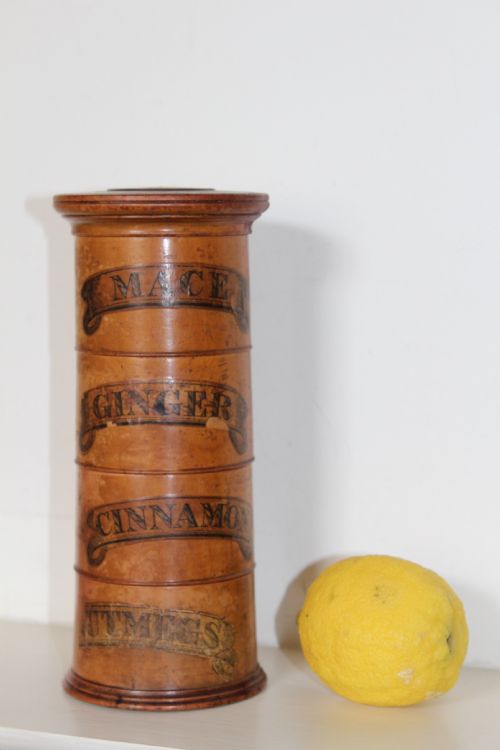
A four-tier treen spice tower proves that historical kitchen storage could be both wonderfully compact and charmingly architectural.
What varies in quality
Quality rests in the integrity of the materials, the weight of the metal, and the precision of the construction rather than superficial adornment. Thick gauge copper and heavy brass mountings indicate robust manufacture, whereas thinner plates suggest lighter domestic utility.
The calibre of hand craftsmanship distinguishes standard containers from finer pieces, seen in tight coopered stave joints, neat riveting, and careful timber selection like figured mahogany or quarter-sawn oak. Decorative detailing, from subtle brass banding to crisp embossing, elevates the piece from basic storage to considered design.
The Vintage Store Container Glossary
- Coopered
- Constructed from wooden staves fitted together and bound by metal hoops, typically used for cylindrical vessels like buckets and bins. This method ensures structural strength for holding heavy materials.
- Treen
- Small domestic wooden objects made by turning or carving, such as spice towers and containers. These items display the natural grain and warmth of timber.
- Brass banded
- Decorated or reinforced with strips of brass fitted around the perimeter of wooden containers. This technique adds structural durability alongside visual contrast.
- Embossed
- Ornamented with raised patterns or designs pressed into the surface of sheet metal. It transforms plain utility copper or brass into decorative hearthware.
- Spice tower
- A multi-tiered wooden container designed to hold various culinary seasonings in stacked compartments. They provide compact storage for kitchen ingredients.
Vintage Store Container: Frequently Asked Questions
What were these containers originally used for?
These vessels served practical daily functions in homes and shops, storing coal by the fireplace, logs for hearths, or dry provisions like tea and grain. Many were designed for heavy duty use in domestic service.
Over time, their roles evolved as households modernised, turning functional utility items into decorative interior storage pieces.
How do I care for brass and copper storage containers?
Maintenance involves gentle cleaning with a soft cloth to remove dust and preserve the metal surface. Avoid harsh abrasive polishes that strip away historical patination.
Keep wooden and metal components away from excessive moisture and direct heat sources to prevent warping or corrosion.
Can I use an antique log bin for modern firewood?
These bins are structurally suited for holding logs and fuel by a fireplace just as they did in the past. Their robust metal or wooden construction easily accommodates everyday hearth loads.
Ensure the interior is kept dry to protect older timbers and vulnerable metal linings from dampness.
How do I distinguish between Victorian and Georgian coal boxes?
Georgian containers often display restrained lines, mahogany timbers, and simple brass banding characteristic of eighteenth century design. Victorian examples frequently embrace heavier ornamentation, embossed brass, and eclectic stylistic revivals.
Examining the construction methods and material choices helps clarify the period of manufacture.