


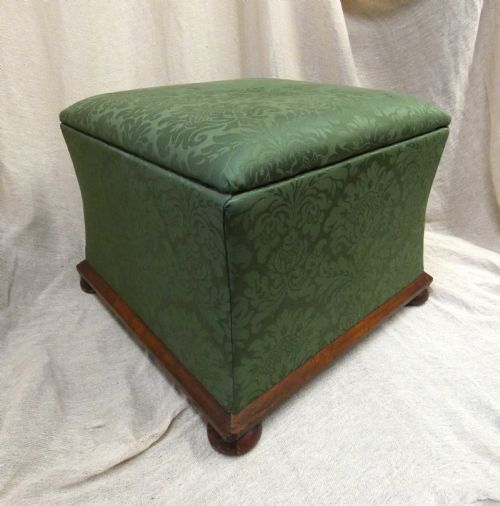


Vintage Storage Ottoman
A vintage storage ottoman combines practical household concealment with period seating, offering a heavy timber frame or upholstered lid that opens to reveal generous space.
Vintage Storage Ottoman
When you search for a vintage storage ottoman, you encounter a diverse group of period seating and lidded boxes designed to hold household linens, blankets, or apparel. These items bridge the gap between functional furniture and decorative display.
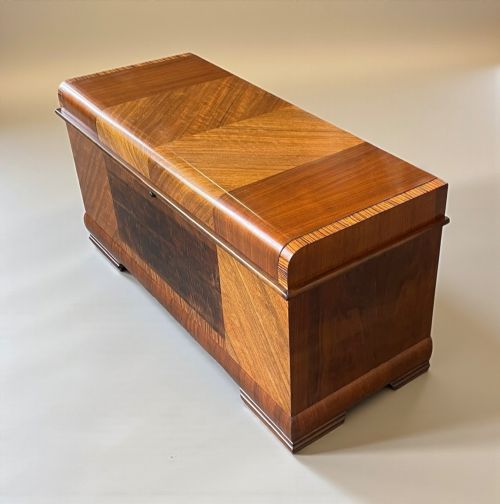
The most frequent examples on this page are Victorian and nineteenth-century timber boxes or upholstered stools, often rendered in pine, mahogany, or walnut with hinged lids. You also find early twentieth-century variants, including Art Deco dressing stools and inlaid Middle Eastern chests.
How they were made
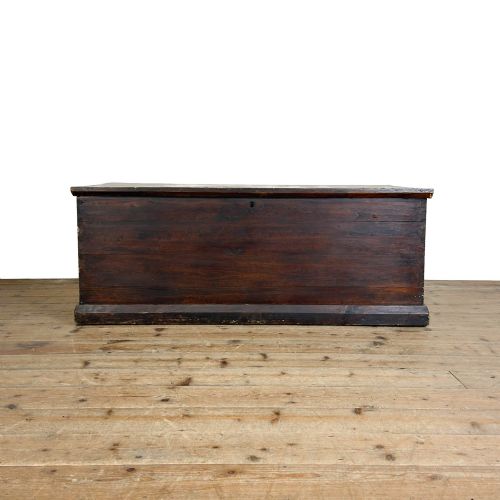
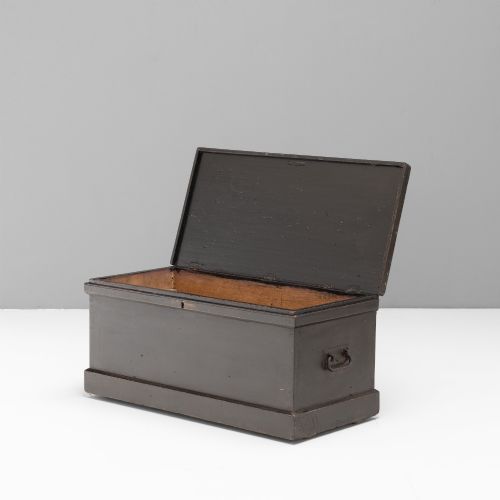
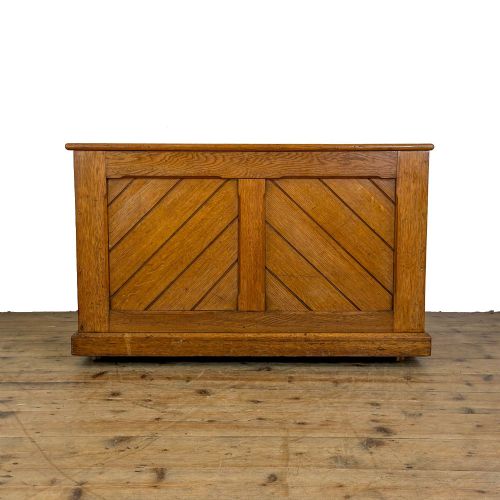
Construction relies heavily on solid hardwoods and softwoods such as pine, mahogany, birch, and oak, frequently joined with traditional corner methods to support weight and frequent opening. Exterior surfaces display wax polishes, painted finishes, or hand-dyed leather.
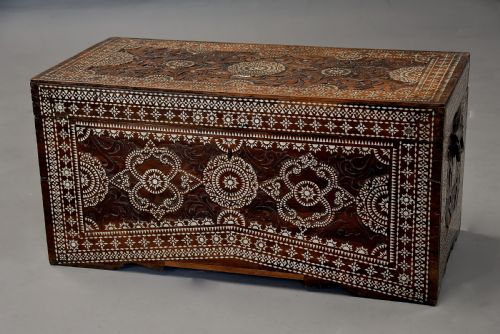
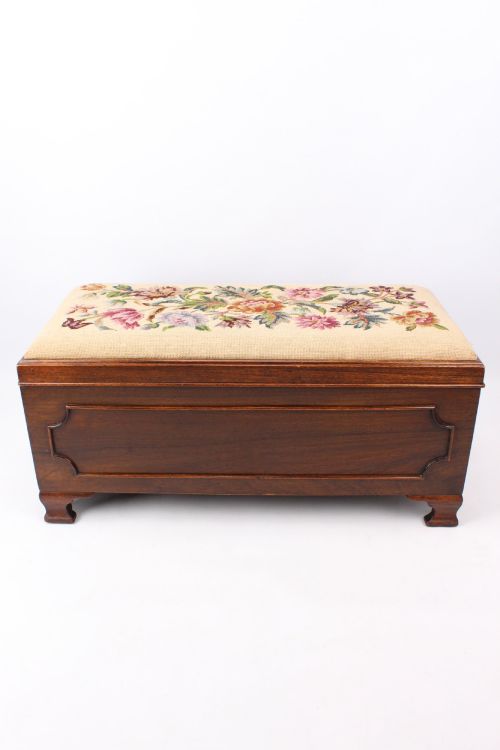
Upholstered versions incorporate textile seats, needlework, gros-point needlepoint, or leather stretched over padding and secured to hinged frames. Decorative variants integrate inlaid mother of pearl or carved wooden elements into the primary structure.
Current listings feature materials ranging from brass, iron, and leather to pine, mahogany, hardwood, and fabric across Victorian, Regency, and Art Deco styles.
What varies in quality
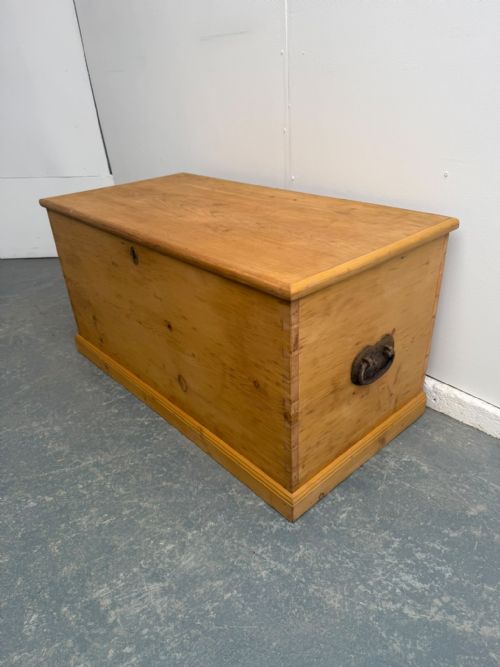
Quality rests upon the integrity of the timber frame, the retention of original upholstery textiles like gros-point needlework, and the durability of the internal compartment. Pieces retaining working locks, side lifting handles, and unaltered surface patination command stronger interest.
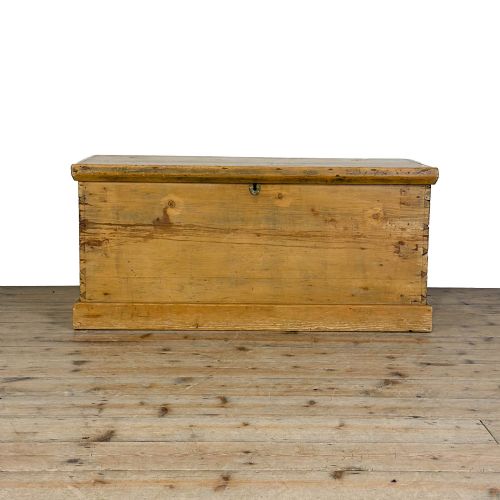
Execution of decorative detail also marks the grade, from simple waxed pine storage chests to finely shaped concave upholstered ottomans and intricately inlaid Middle Eastern trunks.
Hallett & Sons
The Vintage Storage Ottoman Glossary
- Ottoman
- A low upholstered seat or footstool with no back or arms, featuring a hinged top that opens for storage. They served as versatile seating and resting places in period drawing rooms and bedchambers.
- Blanket box
- A deep wooden chest utilised primarily for storing woollens, linens, and garments away from dust and pests. They appear in stripped pine, cherrywood, and painted finishes.
- Gros-point
- A type of coarse needlepoint embroidery stitched on canvas, frequently seen on the hinged seats of nineteenth-century stools. It provides a durable and textured decorative surface.
- Canterbury stool
- A low furniture form incorporating partitioned sections or storage beneath the seat for papers, music, or small items. Victorian examples often utilise walnut frames.
- Waisted
- A term describing furniture furniture whose profile curves inward centrally before flaring out again towards the base or top. This contour appears on specific Regency window stools and ottomans.
Vintage Storage Ottoman: Frequently Asked Questions
What is a vintage storage ottoman?
A vintage storage ottoman is a multi-purpose period piece featuring a hollow interior beneath a removable or hinged lid, used for sitting and concealing household items.
They range from large country house upholstered chests covered in leather to pine blanket boxes and smaller dressing stools.
How were nineteenth century ottomans used?
In nineteenth century homes, these pieces stood in bedrooms, drawing rooms, or dressing areas to hold extra blankets, pillows, or apparel while providing a place to sit.
Some variants, such as work boxes and shoe box cabinets, served specialised organisational roles within the domestic routine.
How do I identify a Victorian ottoman?
Victorian examples typically present dense timbers like mahogany and walnut, turned wooden legs, or heavy pine construction combined with deep buttoned leather or needlework tops.
Stylistic cues draw upon earlier Regency precedents or transition into heavier proportions typical of the nineteenth century.
Can these pieces double as coffee tables?
Low and wide variants, particularly waxed pine box forms, adapt readily to placement in modern reception rooms as low tables.
Flat-topped upholstered versions support books and trays while keeping interior storage accessible for everyday living.