

Vintage Stone Table
A vintage stone table brings solid weight and natural mineral colour into a room, spanning coffee, side, and garden forms shaped from marble, onyx, and alabaster.
Vintage Stone Table
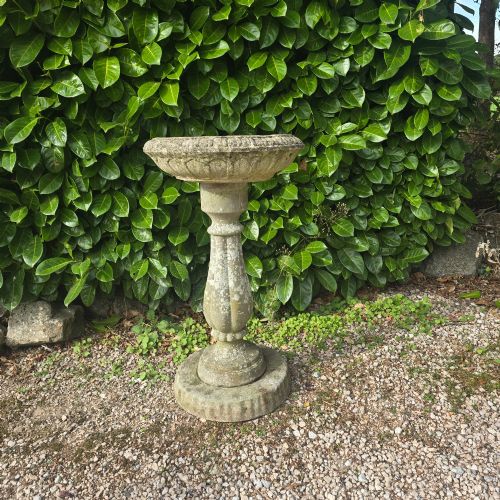
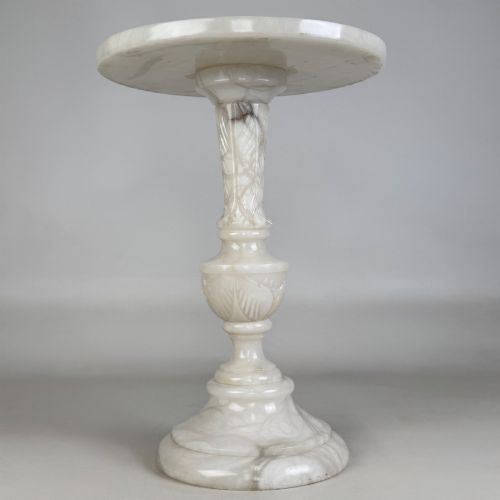
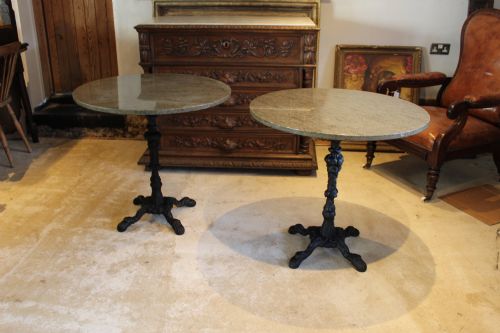
A vintage stone table encompasses functional pieces designed for domestic and garden settings, drawing on materials like solid marble, onyx, and granite. These surfaces appear across side tables, coffee tables, and garden or patio tables from periods ranging from the Victorian era through the Art Deco epoch.
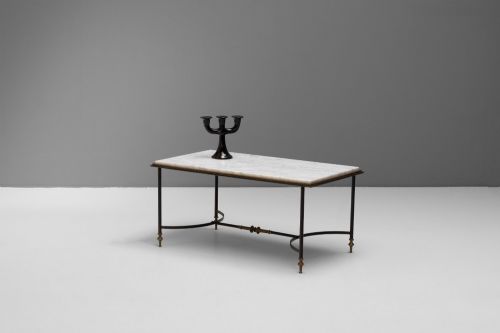
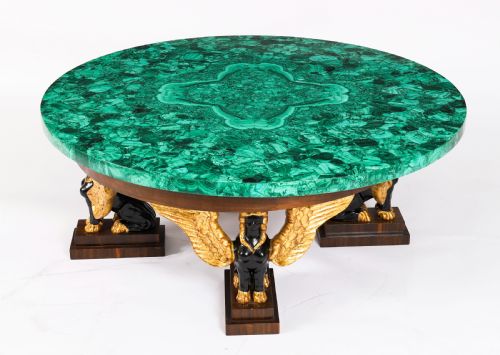
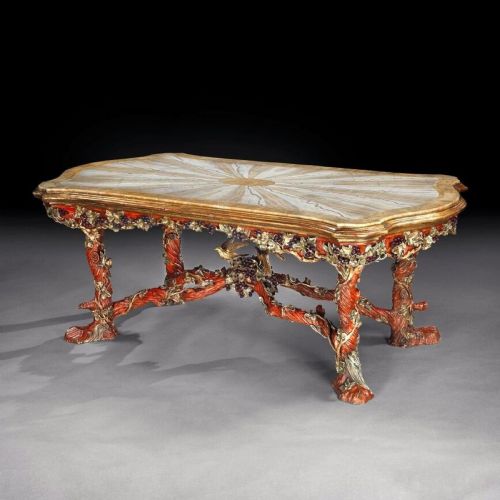
The most common examples on this page balance heavy mineral tops with supporting frames of wood, cast iron, or gilt metal. The forms reflect shifts in interior taste, moving from ornate nineteenth-century revival designs to sleek twentieth-century geometric profiles.
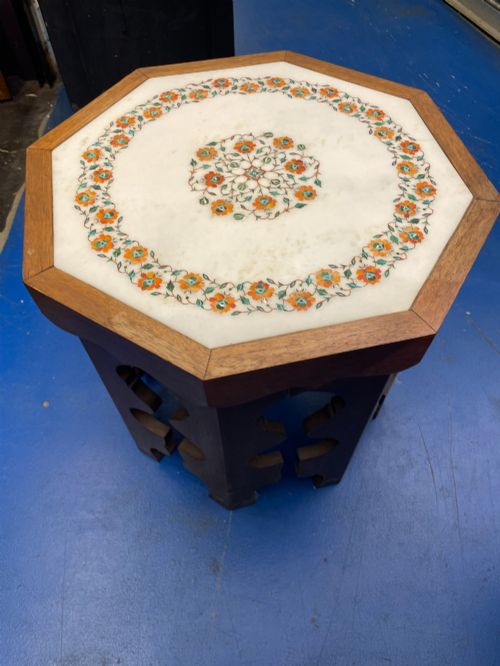
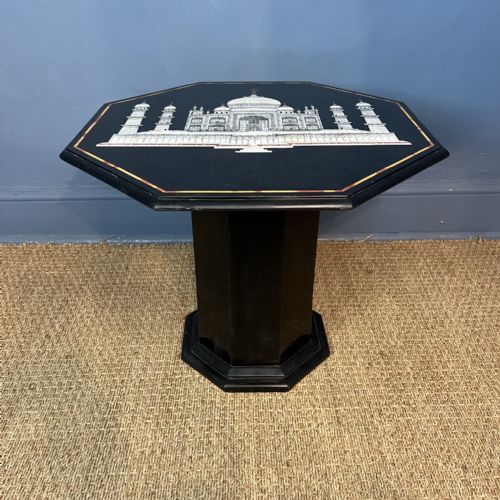
Origin and purpose dictate the physical character of each piece, whether intended as a sturdy garden table or an interior coffee table with inlaid stone details. Buyers encounter everything from Indian black marble inlays to polished French onyx surfaces.
Distinctions in craftsmanship and materials
Quality separates through the purity and figuring of the mineral top, alongside the precision of the stonecutter's polish. Superior examples display striking natural veining without structural fissures, matched with substantial supporting mounts in brass or carved wood.
The integration between the heavy stone surface and the underframe determines the overall solidity of the piece. Masterwork items feature finely detailed metal mounts, intricate inlaid work such as Taj Mahal motifs, or specialised fossil marble origins that elevate the design beyond utility.
Vintage Stone Table Retail Price Guide 2026
Typical asking prices for vintage stone table among the pieces listed under this phrase on Sellingantiques today, from the lower quarter to the upper quarter. They describe what is for sale here now, not the wider market.
Amleto Bertoni·R. E. Stone·Luxor
The Vintage Stone Table Glossary
- Onyx
- A translucent variety of quartz with parallel banding, frequently utilised for decorative table tops and lamp bases during the Art Deco period.
- Alabaster
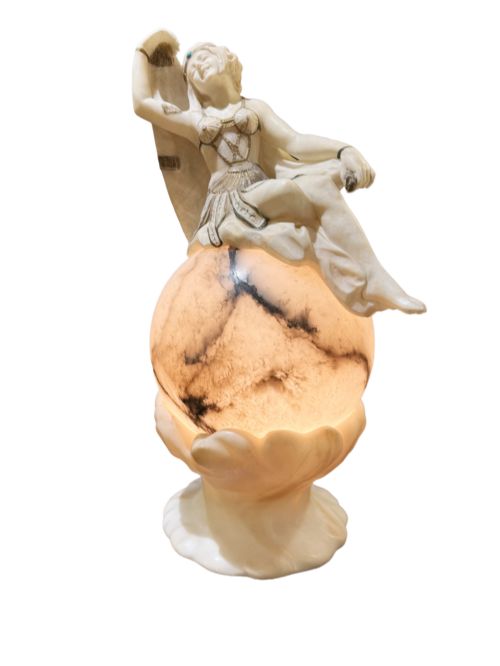
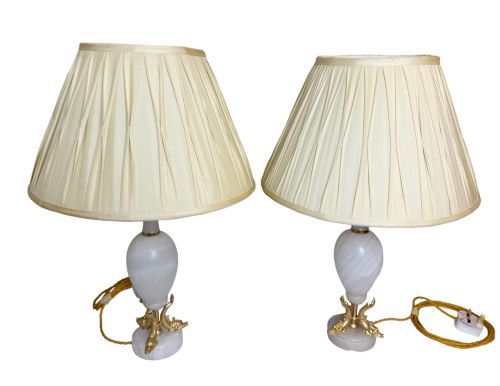
- A fine-grained mineral often carved into smooth lamp bases and sculptural table elements, valued for its soft, light-transmitting properties.
- Derbyshire Fossil marble
- A specialised dark limestone found in England containing fossilized crinoids and shell fragments, polished for ornamental furniture.
- Art Deco
- A design style dominant in the 1920s and 1930s characterised by streamlined geometric forms, clean lines, and modern industrial materials.
- Gilt bronze
- Copper alloy finished with a thin layer of gold, employed for decorative mounts and feet on high-status nineteenth and twentieth-century furnishings.
Vintage Stone Table: Frequently Asked Questions
How do I clean a marble tabletop?
Wipe the surface regularly with a soft, damp cloth using mild, pH-neutral soap to prevent chemical damage. Avoid acidic liquids like vinegar or lemon juice that can etch polished stone.
Dry the stone thoroughly after cleaning to maintain the natural sheen and prevent water spots from forming on the mineral surface.
Can these tables be used outdoors?
Only specific pieces designed with weather-resistant materials, such as cast iron frames and granite tops, suit patio or garden placement. Indoor coffee and side tables feature delicate alabaster, onyx, or polished wood that moisture will damage.
Protect vulnerable indoor pieces from damp conditions and direct sunlight to preserve the integrity of the stone and any underlying wooden structures.
How do I date an onyx table?
Examine the supporting framework and metal mounts for stylistic clues typical of periods like the Art Deco 1930s or earlier Victorian eras. Geometric lines, stepped bases, and specific brass hardware point toward twentieth-century production.
Consult the fastening methods and types of wood used in the underframe, as Victorian examples often employ heavier ebonised or carved timber supports.
Are stone tables very heavy?
Solid marble, onyx, and granite tops carry considerable weight due to the density of natural stone. Ensure your flooring can support concentrated loads, particularly with heavy pedestal or standard tables.
Enlist assistance when moving these pieces to avoid straining the joints where the stone meets the wooden or metal base.