





Vintage Stone Pillars
These vintage stone pillars offer architectural presence, ranging from garden staddle stones to interior alabaster plant stands.
Vintage Stone Pillars
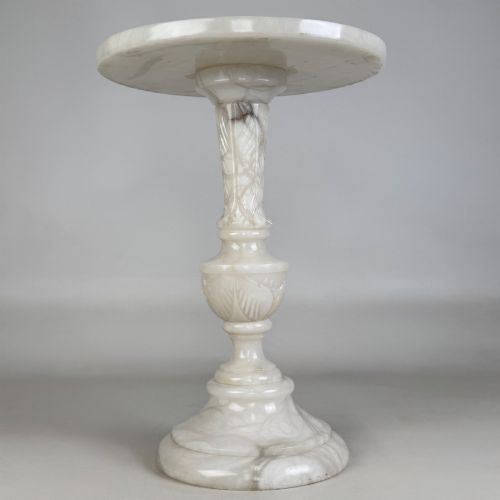
Vintage stone pillars encompass a diverse array of architectural salvage, garden ornaments, and interior pedestals found under this search phrase. Buyers encounter forms ranging from rustic eighteenth-century staddle stones to refined early twentieth-century marble columns and alabaster plant stands.
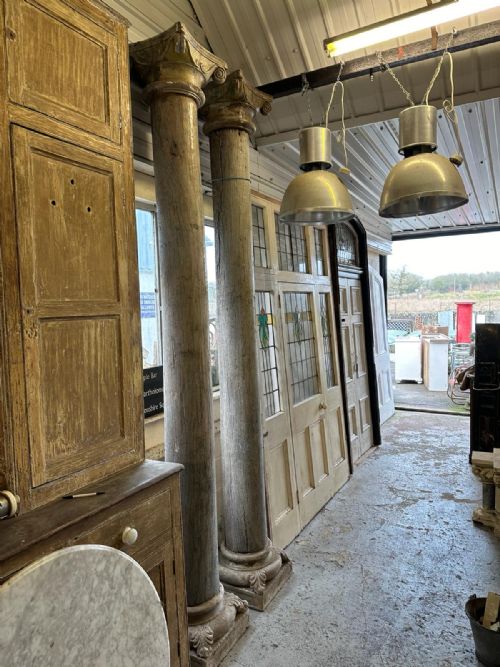
The selection includes practical domestic pieces such as side tables utilising engraved pillar bases alongside monumental architectural elements like carved red stone columns. Origins span traditional British vernacular garden items to classical Italian marble works.
Materials and construction methods
Makers utilised durable natural materials including sandstone, hard red stone, and various forms of marble such as Arabescato. Surface weathering like moss and lichen frequently adorns exterior pieces, while interior items display smooth, polished finishes.
Stonemasons shaped these supports through manual carving techniques, visible in ionic capitals and engraved details. Some examples combine carved stone bases with carved hardwood elements or incorporate silver plate.
Vintage Stone Pillars Retail Price Guide 2026
Typical asking prices for vintage stone pillars among the pieces listed under this phrase on Sellingantiques today, from the lower quarter to the upper quarter. They describe what is for sale here now, not the wider market.
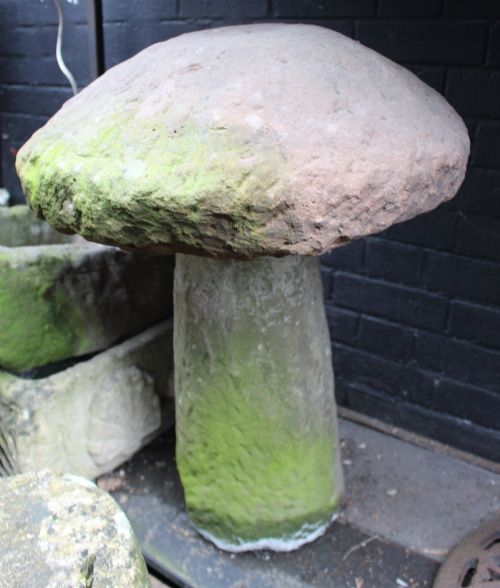
Granary mice met their match in the staddlestone, whose mushroom cap shape kept medieval grain stores safely elevated.
Assessing quality in stone pillars
Quality rests upon the crispness of the hand-carved detail and the selection of the raw mineral, where finer-grained marbles and evenly textured sandstones command attention. The depth and skill of the carving on capitals and shafts distinguish standard architectural salvage from exceptional works.
Proportion and balance dictate the success of a piece, whether dealing with a diminutive plant stand or a substantial structural column. The harmonious integration of different components, such as stone bases with wooden capitals, influences the overall character.
The Vintage Stone Pillars Glossary
- Staddlestone
- A mushroom-shaped stone pillar formerly used to support granaries and keep out pests. These rustic objects now frequently serve as garden ornaments.
- Arabescato Marble
- A white Italian marble characterised by dark grey veining in a distinctive pattern. It appears on refined interior columns and tables.
- Architectural Salvage
- Building components rescued from demolition or alteration for reuse. This category covers columns, finials, and pillars.
- Ionic Capital
- The uppermost member of a column featuring spiral scroll ornaments known as volutes. Carved stone and hardwood examples appear in this tradition.
Vintage Stone Pillars: Frequently Asked Questions
Where do vintage stone pillars work best?
These pieces suit both interior and exterior settings depending on their original purpose. Garden staddlestones and post finials anchor outdoor landscapes.
Interior spaces benefit from marble columns, alabaster plant stands, and pillar-supported side tables. Their architectural lines provide height and structural contrast to room layouts.
How do I care for antique stone?
Natural stone requires minimal intervention to maintain its integrity over decades. Gentle dusting preserves polished interior marble and alabaster surfaces.
Exterior sandstone and weathered garden ornaments tolerate outdoor elements well. Avoiding harsh chemical cleaners protects the historic patina and natural mineral structure.
Are these pillars structurally load-bearing?
Most items listed as decorative pillars, plant stands, or table bases serve primarily aesthetic or display functions. Architectural salvage pieces may have supported weight historically.
Buyers should assess the specific construction and material strength before utilising any vintage column for structural support in modern building projects.
How are different periods identified?
Stylistic clues and material choices indicate the era of manufacture for these stone objects. Eighteenth-century examples often display rustic vernacular qualities and heavy weathering.
Twentieth-century pieces, including items from the nineteen-thirties, frequently show neoclassical revival influences and finer interior polishing techniques.