

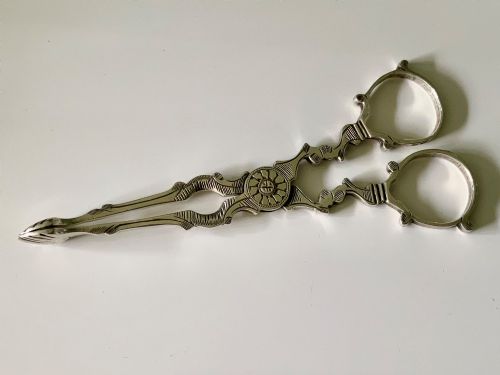


Vintage Sterling Tongs
Vintage sterling tongs bring polished silver character to the table, offering a functional piece of history for serving sugar, asparagus, or pastry.
Vintage Sterling Tongs
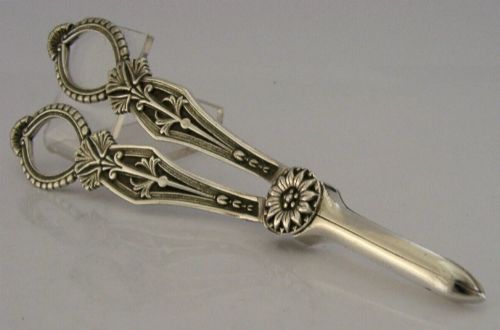
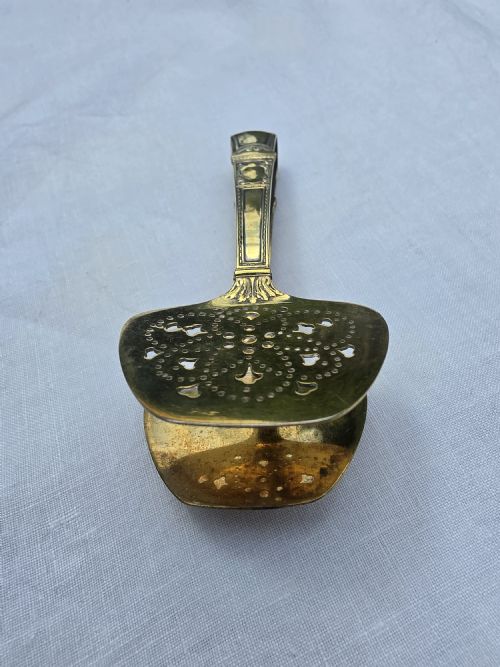
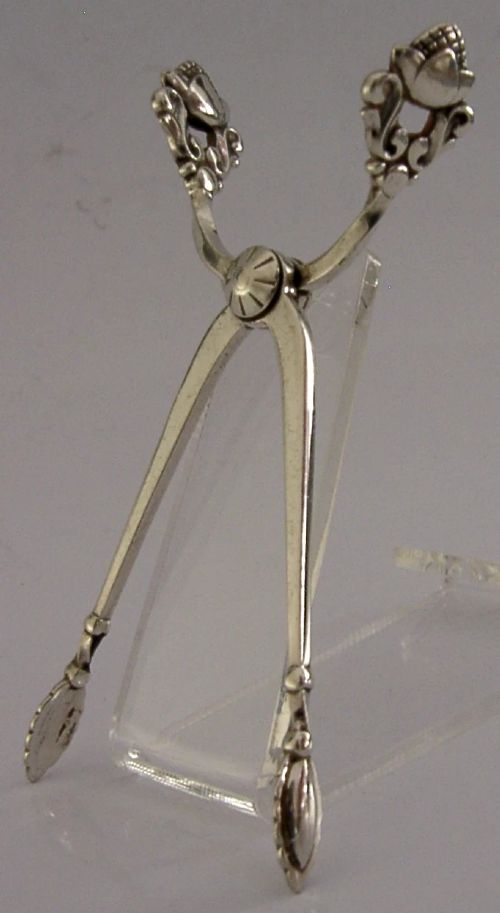
Vintage sterling tongs cover a diverse range of serving utensils designed for specific dining rituals, from sugar lumps to asparagus and pastries. When exploring vintage sterling tongs, buyers encounter forms spanning the Georgian, Victorian, Edwardian, and Art Deco periods, alongside mid-century Scandinavian designs.
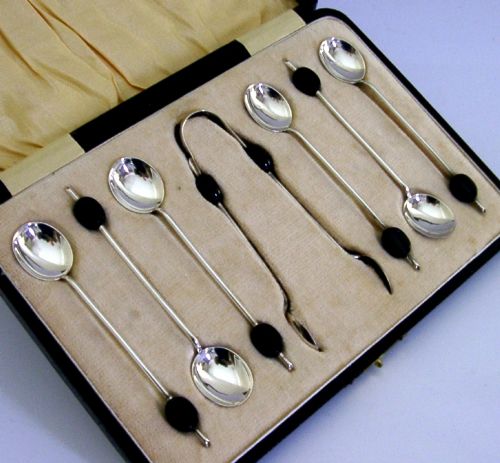
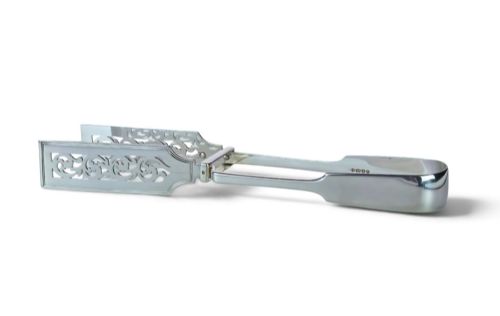
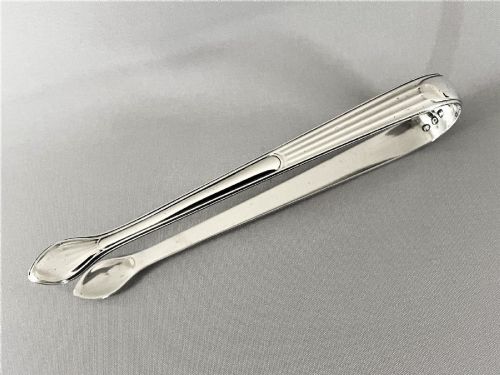
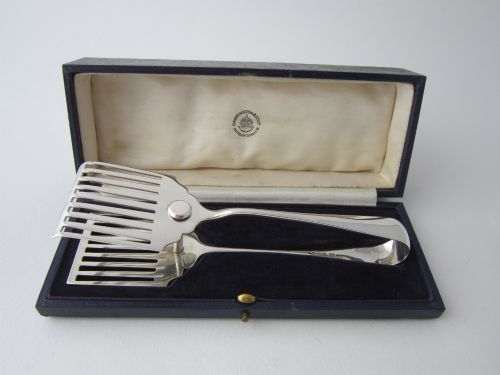
Sugar tongs and nips form the most frequent encounters on this page, often appearing alongside fitted cases or matched spoon sets. Larger serving utensils such as asparagus tongs and bar tenders tongs also emerge, demonstrating specialised craftsmanship across different decades.
Materials and construction methods
Makers utilised sterling silver and silver gilt, frequently shaping the metal through casting, piercing, and hand-engraving techniques. Certain pieces incorporate velvet, silk, and leatherette within fitted presentation cases to protect the polished metal.
Artisans applied styles ranging from Gothic Revival and Classical Revival to sleek Danish Modern and geometric Art Deco lines. Joints and spring mechanisms were forged to provide the necessary tension for repetitive everyday use.
Vintage Sterling Tongs Retail Price Guide 2026
Typical asking prices for vintage sterling tongs among the pieces listed under this phrase on Sellingantiques today, from the lower quarter to the upper quarter. They describe what is for sale here now, not the wider market.
The inventory spans multiple periods including Georgian, Victorian, Edwardian, Art Deco, and mid-century modern design movements.
Assessing quality in silver tongs
Quality rests heavily upon the clarity of the hallmarks, the reputation of the maker or silversmith, and the weight of the silver used. Heavier gauge metal resists bending and maintains firmer spring tension at the hinge or bow over decades of handling.
Refinement of decoration separates standard production items from exceptional workshop output. Hand-chased motifs, crisp piercing work, and integrated silver-gilt finishes indicate superior craftsmanship and artistic investment.
Elizabeth Eaton·Bateman Family·Tiffany and Company·Georg Jensen·Josiah Williams and Co·Garrard and Co·Robert Stebbings
The Vintage Sterling Tongs Glossary
- Sterling silver
- An alloy containing 92.5 percent silver and 7.5 percent other metals, usually copper, chosen for durability in tableware. This standard has been legally regulated and hallmarked in Britain for centuries.
- Silver gilt
- Silver objects that have been coated with a thin layer of gold on the surface, often applied to the interior bowls of tongs. This technique provides a rich two-tone appearance and protects the base silver from tarnishing.
- Sugar nips
- A smaller, often spring-loaded variety of tongs traditionally used for breaking and serving sugar from a loaf or lump bowl. They frequently feature ornate shell or claw grips at the terminal ends.
- Hallmark
- A series of official marks stamped onto precious metals in Britain to guarantee the purity of the silver, the maker, and the year of assay. These tiny symbols provide the backbone of provenance research for collectors.
- Asparagus tongs
- A wide, flat-bladed serving utensil designed specifically to grip delicate asparagus spears without crushing them. They represent some of the most specialised and visually striking forms in silver service.
Vintage Sterling Tongs: Frequently Asked Questions
How do I clean vintage sterling tongs?
Use a soft microfibre cloth and a reputable silver polish formulated to lift tarnish without removing the underlying metal. Avoid abrasive pads or harsh chemical dips that can strip away fine engraved details and patination.
Store your silver in a dry environment away from direct sunlight, preferably within anti-tarnish rolls or lined presentation boxes to minimise future oxidation.
What is the difference between sugar tongs and sugar nips?
Sugar nips traditionally refer to scissor-action or spring-loaded implements designed for snapping off pieces from a sugar loaf. Sugar tongs typically feature a U-shaped bow of sprung metal with gripped terminals for lifting pre-cut lumps.
Both terms are frequently used interchangeably by modern buyers, though the mechanical action often distinguishes the earlier nips from the later sprung tongs.
Can I use these tongs for everyday dining?
Sterling silver is durable enough for daily service provided it is washed by hand in warm soapy water and dried immediately. Storing them loosely in drawers can lead to scratching against other cutlery.
Many collectors prefer to reserve delicate antique pieces for special occasions, while robust mid-century or Georgian examples easily transition to modern hosting.
How do I read silver hallmarks?
British hallmarks typically include a standard mark indicating silver purity, a town mark showing where the piece was assayed, and a date letter corresponding to the exact year of production. A maker's mark identifies the silversmith or firm responsible for the work.
Reference books and online guild registers help decode these tiny punches to reveal the exact geographical origin and timeline of each piece.