

Vintage Sterling Silverware
Vintage sterling silverware brings centuries of dining and desk traditions to the table through solid silver pieces made to last.
Vintage Sterling Silverware
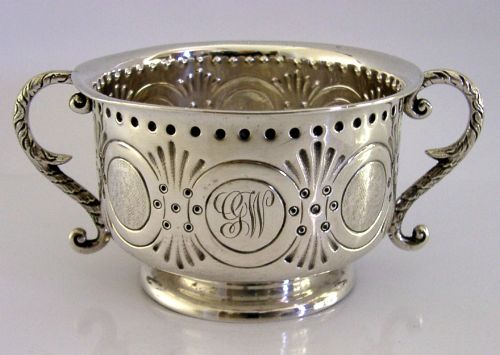
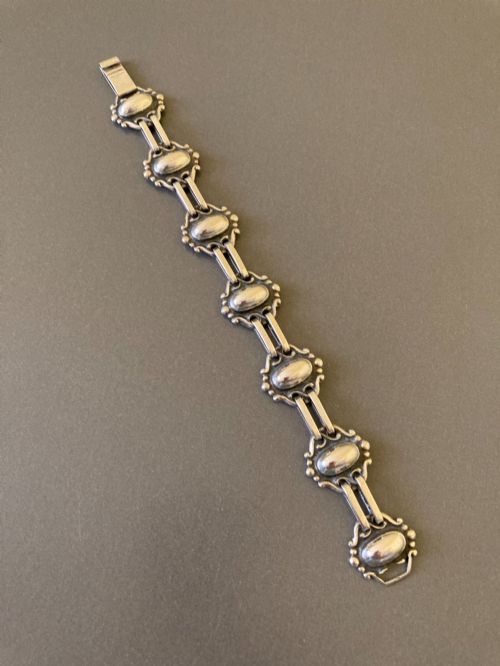
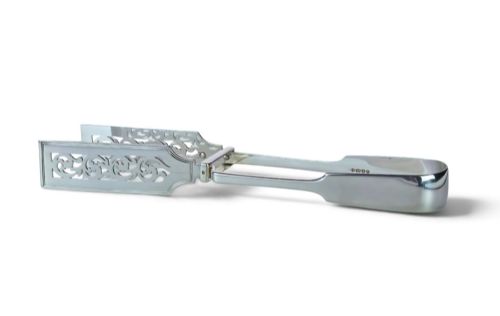
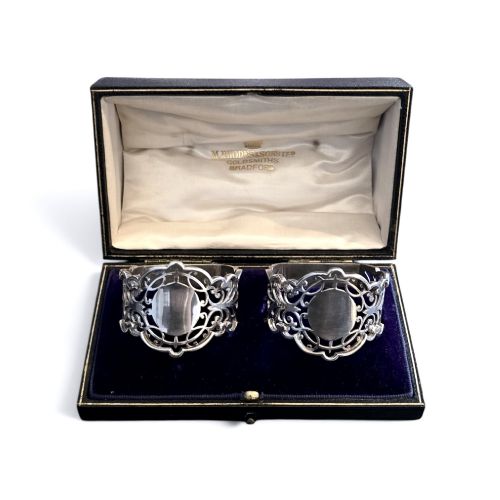
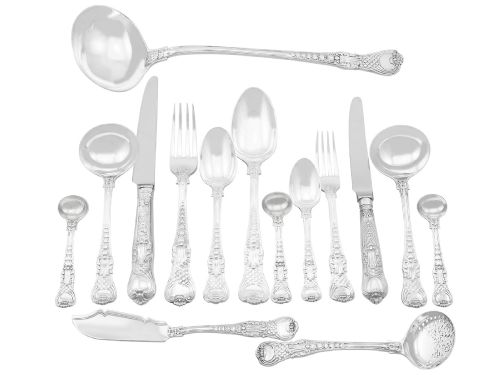
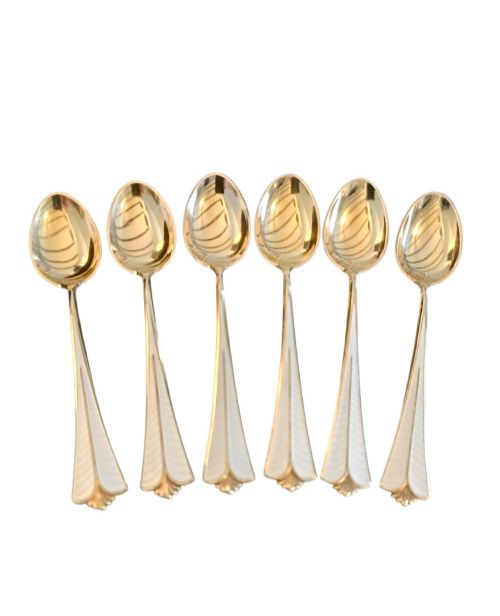
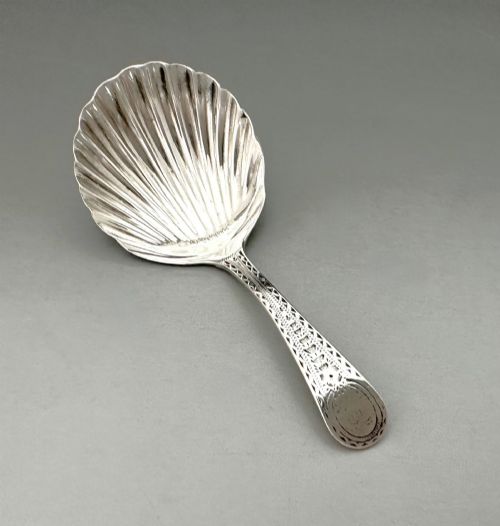
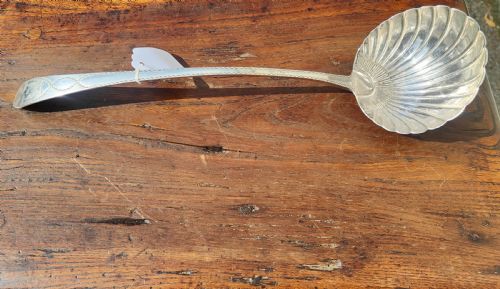
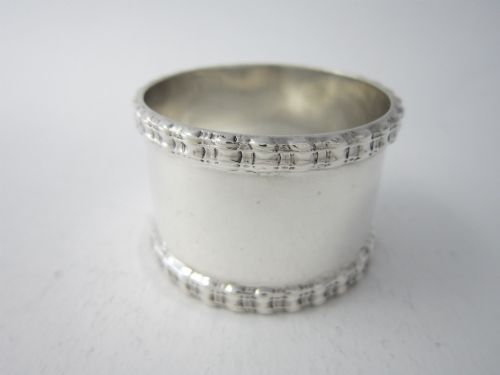
Vintage sterling silverware encompasses a diverse array of dining implements, serving pieces, and desk accessories spanning multiple decades and stylistic movements. Buyers frequently encounter tableware forms such as sugar tongs, napkin rings, serving spoons, toast racks, and caddy spoons alongside complete cutlery sets.
The objects originate from varied periods ranging from Georgian and Victorian eras through Edwardian, Art Deco, and mid-century decades. Pieces often reflect specific regional British hallmarks alongside international makers, offering functional elegance for modern settings.
Materials and construction
The primary material across these objects is sterling or solid silver, occasionally paired with auxiliary elements such as wood, leatherette, velvet, silk, or vibrant enamel. Metalsmiths utilised traditional techniques like casting, hammering, and piercing to shape functional items into ornamental forms.
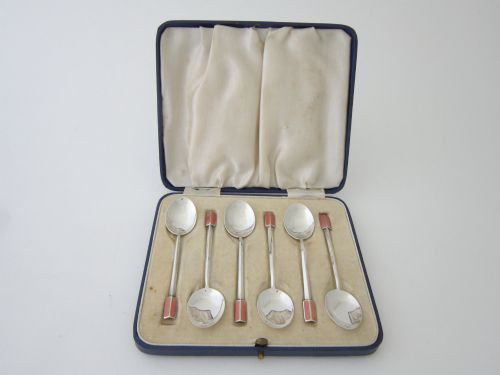
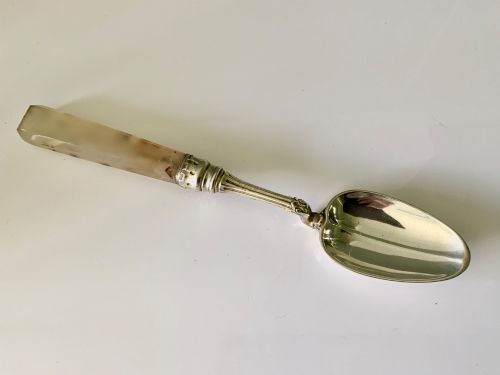
Specialised items integrate diverse components, seen in agate-handled spoons, glass-lined mustard pots, or fitted cases lined with silk and velvet. Makers applied intricate engraved decoration, chased motifs, and structural joints to ensure both durability and visual refinement.
Vintage Sterling Silverware Retail Price Guide 2026
Typical asking prices for vintage sterling silverware among the pieces listed under this phrase on Sellingantiques today, from the lower quarter to the upper quarter. They describe what is for sale here now, not the wider market.
Listings feature items spanning the 18th Century through the mid-20th Century, incorporating materials like enamel, wood, and sterling silver.
Distinctions in quality
Quality in these silver pieces rests on the weight of the metal gauge, the crispness of chased or engraved detail, and the integrity of structural joins. Heavier weight silver indicates substantial material investment, whereas thinner gauge metal shows less resistance to daily use.
Maker attribution and clarity of hallmarks significantly influence the standing of an item, distinguishing standard production from exceptional artistry. The precision in executing specialised forms, such as articulated grape shears or enamelled surfaces, marks the division between ordinary utility and fine craftsmanship.
Bateman Family·Liberty & Co·John Grinsell & Sons·Roberts & Belk·Tiffany & Co·Harrison Brothers & Howson·Josiah Williams & Co·Paul Storr·Barker Brothers
The Vintage Sterling Silverware Glossary
- Hallmark
- Official marks stamped onto precious metals to indicate the standard of purity, the assay office, and the date of manufacture. These small punches serve as an essential guide for verifying the provenance of older silver.
- Caddy spoon
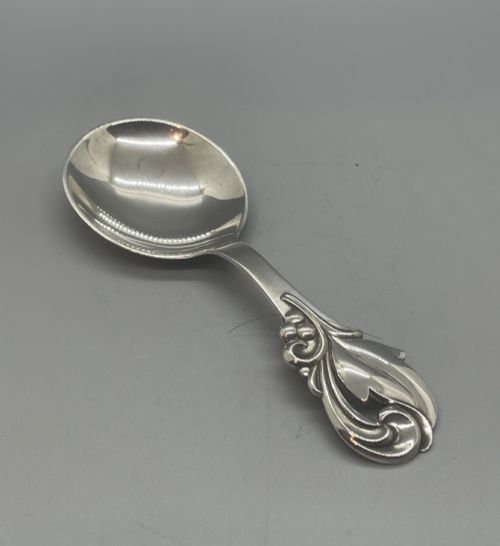
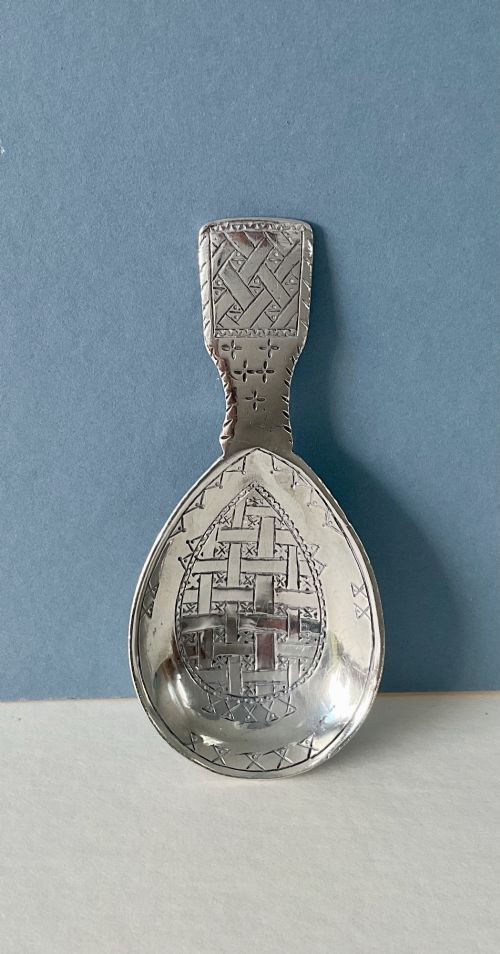
- A small specialised spoon designed for measuring loose tea leaves from a caddy. They frequently feature decorative bowls and short handles shaped by period silversmiths.
- Toast rack
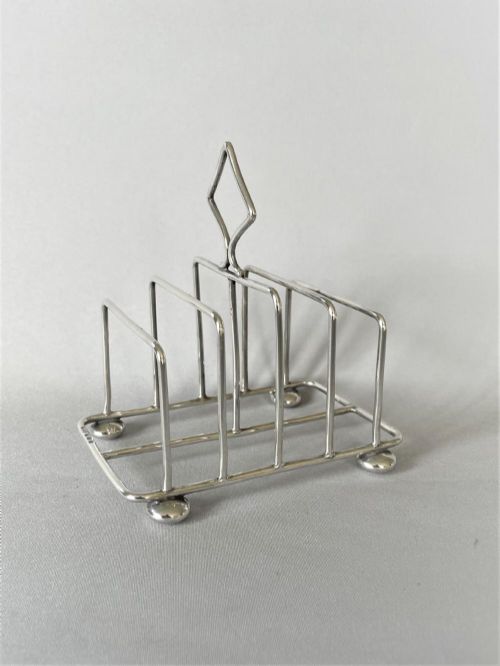
- A small table frame with vertical dividers designed to hold slices of toast upright. This form prevents condensation from making the toast soggy.
- Sugar tongs
- Small spring or scissor-action implements used for transferring sugar lumps into cups. Victorian and Georgian examples often display elaborate pierced arms and shell bowls.
- Sterling silver
- An alloy consisting of pure silver and other metals, usually copper, to increase durability. The standard requires a specific high proportion of pure silver to earn the designation.
Vintage Sterling Silverware: Frequently Asked Questions
What is vintage sterling silverware?
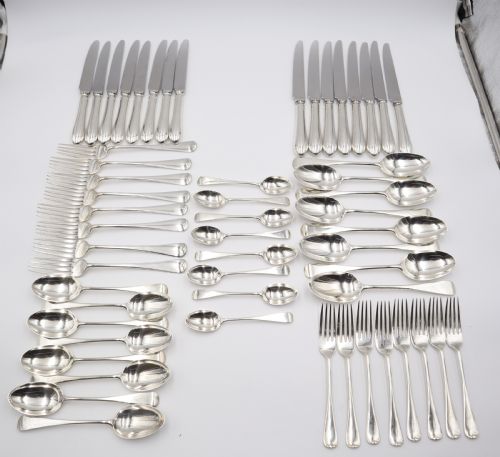
Vintage sterling silverware encompasses objects fashioned from high-purity silver, spanning functional items like cutlery sets, toast racks, and serving spoons to decorative table bells and card cases.
These pieces reflect design movements from Georgian and Victorian eras through Art Deco styles, combining practical utility with lasting metal craftsmanship.
How do I care for sterling silver?
Sterling silver requires regular gentle cleaning with specialised cloths to remove tarnish without abrasive scratching. Storing items in dry environments away from rubber or sulfur-bearing materials helps maintain the polished finish.
Frequent handling through normal use often prevents heavy tarnish accumulation on functional dining pieces.
How do I identify silver hallmarks?
Hallmarks are tiny stamped impressions that indicate the assay office, the maker's mark, and the standard of silver purity. Reference guides help decipher the specific date letters and symbols stamped into the metal.
Checking these marks reveals the geographic origin and historical period of the object.
Can I use antique silver daily?
Many people enjoy using antique silver for everyday dining, as solid silver is durable enough for regular meals and washing. Hand washing with mild soap protects delicate components such as enamel panels or fitted handles.
Avoiding harsh dishwashing detergents preserves the historical surface and any delicate engraving.