

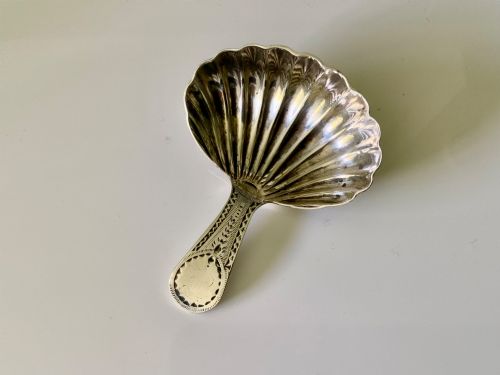
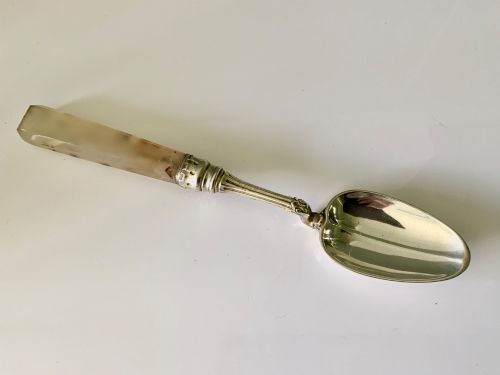


Vintage Sterling Caddy Spoon
A vintage sterling caddy spoon brings the crisp detail of miniature silverwork to the tea caddy, offering a tactile piece of domestic history.
Vintage Sterling Caddy Spoon
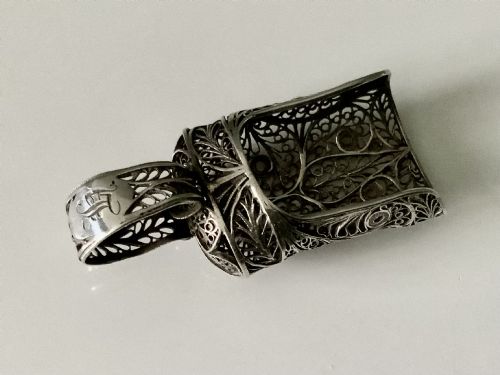
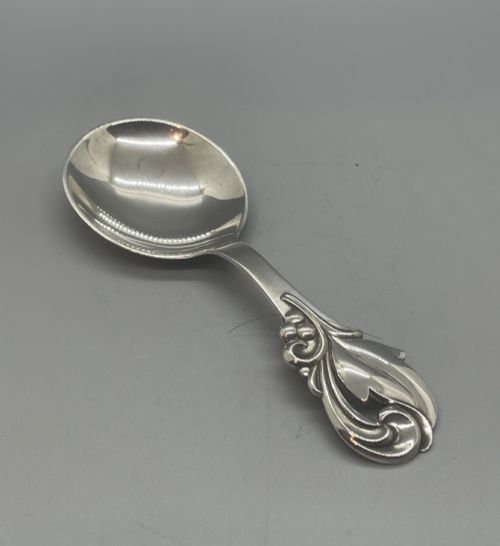
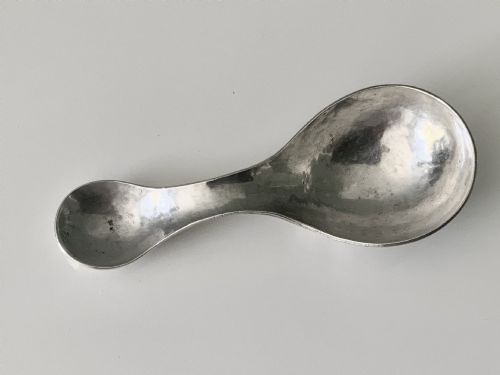
When you examine a vintage sterling caddy spoon, you are looking at small serving implements designed specifically for measuring loose tea from a caddy into a pot. The selection includes Georgian examples alongside pieces spanning the Edwardian era, the 1920s, 1930s, and 1940s.
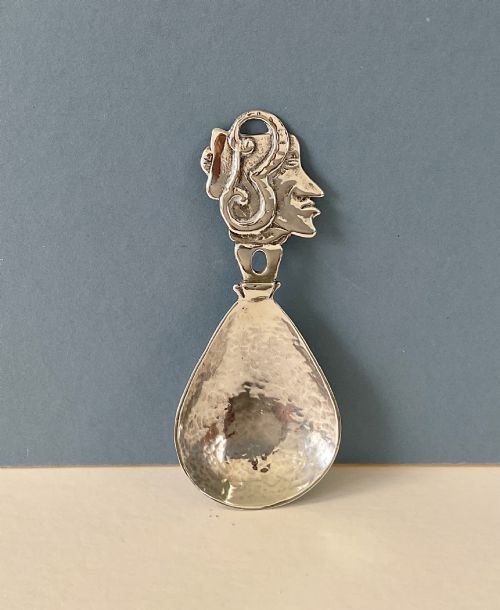
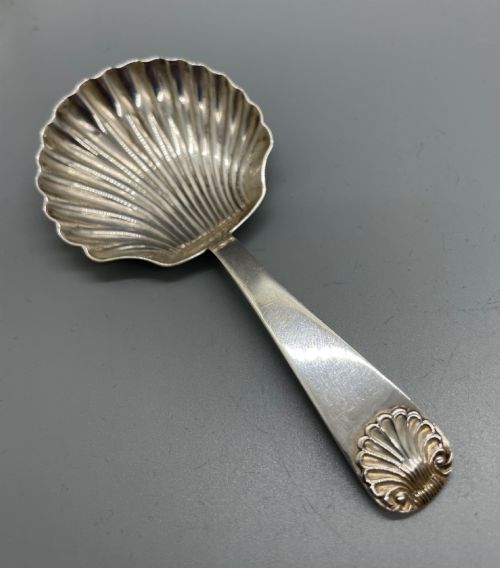
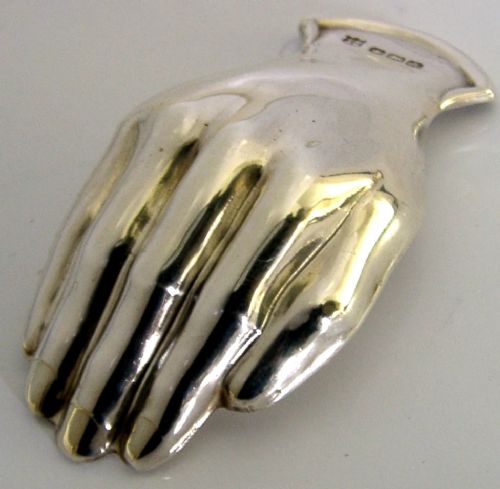
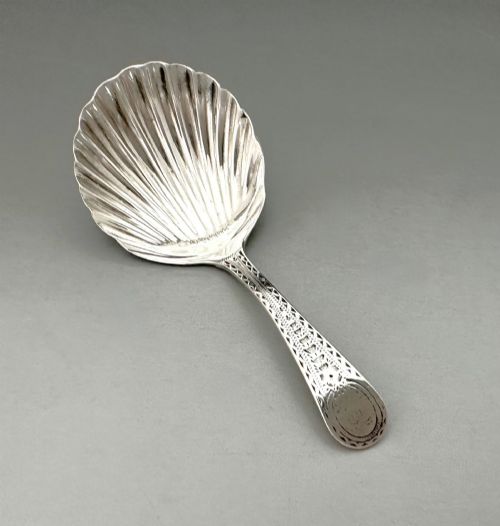
You are most likely to meet traditional Georgian and Victorian forms alongside Arts and Crafts, Art Nouveau, and Art Deco iterations. These range from simple shell bowls to novelty items fashioned as jockey caps or hands.
How they were made
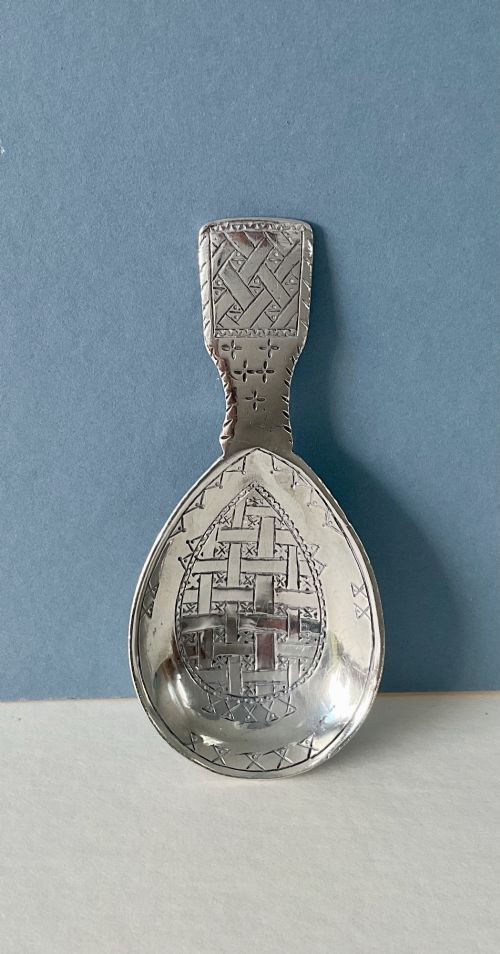
Makers shaped these items primarily from sterling silver, occasionally incorporating silver gilt, enamel, or agate handles. Handles often display engraved decoration, while bowls are shaped into shells or flat ladles.
Silver smiths utilised techniques such as stamping, casting, and hand engraving to finish each spoon. Hallmarks stamped directly into the metal record the assay office, date, and maker.
Vintage Sterling Caddy Spoon Retail Price Guide 2026
Typical asking prices for vintage sterling caddy spoon among the pieces listed under this phrase on Sellingantiques today, from the lower quarter to the upper quarter. They describe what is for sale here now, not the wider market.
Listings for this phrase include periods spanning the Georgian era, Victorian period, Edwardian years, and mid-century decades up to the 1960s.
What varies in quality
The distinction between ordinary production and superior work rests on the crispness of the stamping and the depth of the hand engraving on the handle and bowl. Maker attribution also plays a role, with pieces bearing marks from notable silversmiths showing finer finishing.
The weight of the metal and the complexity of the design, such as bifurcate handles or applied enamel work, separate standard utilitarian spoons from more ambitious decorative examples.
Georg Jensen·Judy·Liberty·Amy Sandheim·Plucknett·David Andersen
The Vintage Sterling Caddy Spoon Glossary
- Sterling silver
- A silver alloy containing 92.5 percent pure silver by mass and 7.5 percent other metals, usually copper. This standard composition provides the durability required for functional silverware.
- Hallmark
- An official mark stamped on items of precious metal to verify their purity and origin. British pieces typically show a standard mark, a city assay mark, and a date letter.
- Bifurcate
- Divided into two branches or forks. In spoons, this describes a handle or stem that splits into two distinct parts before meeting the bowl.
- Silver gilt
- Silver that has been coated with a thin layer of gold on its surface. This technique adds warmth and protects the underlying metal from tarnishing.
- Caddy spoon
- A short-handled spoon used for transferring dry tea leaves from a container into a teapot. Their compact size allowed them to sit comfortably inside the caddy.
Vintage Sterling Caddy Spoon: Frequently Asked Questions
What is a caddy spoon used for?
A caddy spoon measures loose tea leaves from a storage vessel into the teapot. Their small bowls and short handles were designed to fit neatly inside or alongside antique tea caddies.
Over the centuries, collectors shifted from using them purely as kitchen implements to displaying them as cabinet pieces and decorative silver.
How do I date a silver caddy spoon?
You date a British silver caddy spoon by locating the hallmarks stamped on the metal. These marks include specific symbols and letters corresponding to the year of assay and the city where it was tested.
Stylistic cues, such as the geometric lines of Art Deco or the flowing motifs of Art Nouveau, also help narrow down the period of manufacture.
What styles are common in vintage caddy spoons?
Common styles span Georgian simplicity, Victorian ornamentation, and the handcrafted aesthetic of the Arts and Crafts movement. You will also encounter Art Nouveau floral motifs and streamlined Art Deco geometric designs.
Novelty shapes, such as jockey caps and human hands, appear frequently among the twentieth-century pieces.
How should I care for sterling silver spoons?
Store your silver in a dry environment away from direct sunlight and humidity. Gentle washing in warm soapy water removes dust, while polishing should be kept to a minimum to preserve the surface.
Avoid harsh abrasive cleaners that can wear away crisp hallmarks and delicate hand engraving.