


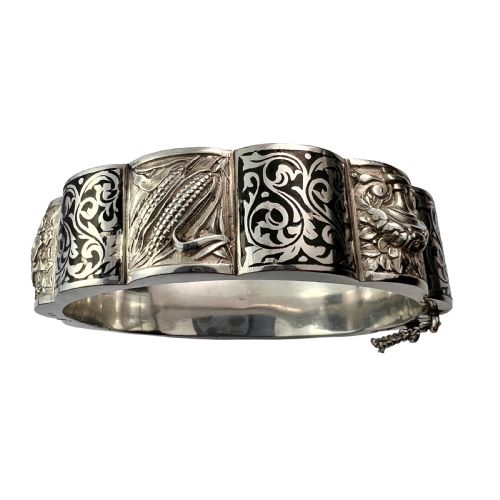


Vintage Sterling Bracelet
These vintage sterling bracelet pieces span the Victorian era to the mid-century, offering solid silver construction and distinctive period character for everyday wear.
Vintage Sterling Bracelet
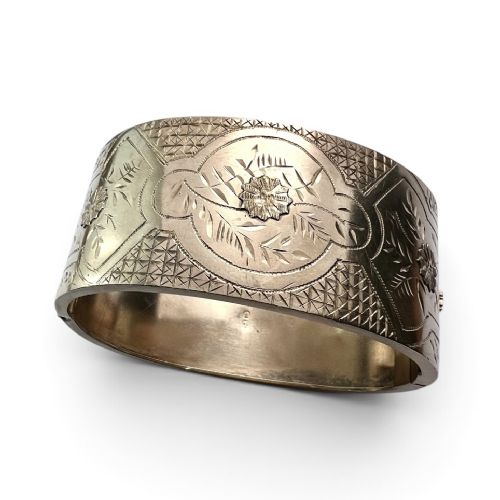
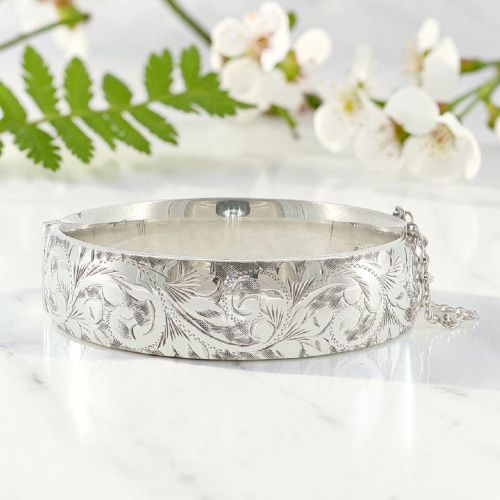
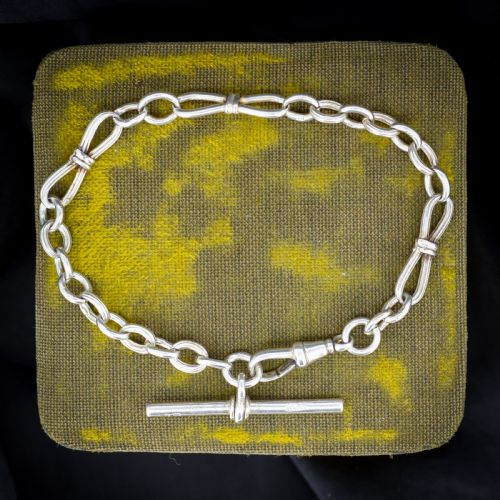
A vintage sterling bracelet search covers hinged cuffs, bangles, and linked chains produced from the Victorian period through the nineteen-sixties. You will frequently encounter solid silver hinged cuffs and geometric link bracelets among these selections.
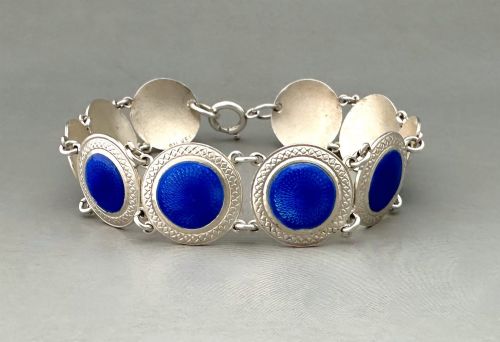
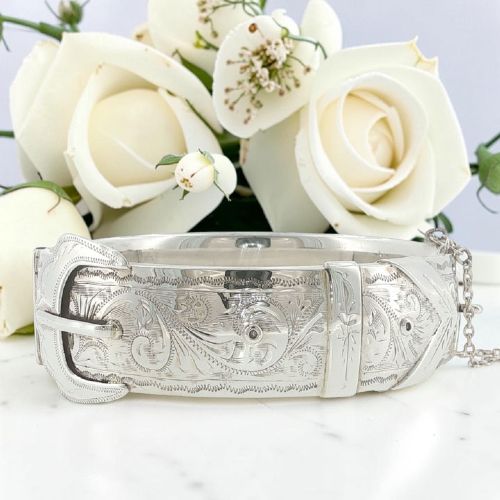
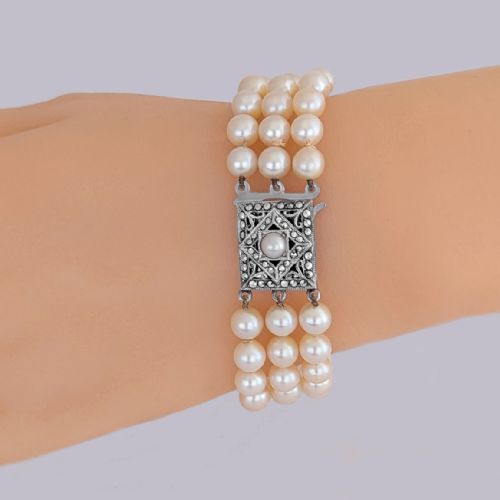
The assortment includes regional work such as Norwegian enamel, Swedish pieces, and Portuguese hinged cuffs alongside English Victorian buckle bangles. These items combine silver metalwork with materials like cultured pearl, marcasite, and vitreous enamel.
Forms range from wide antique Victorian hinged cuffs to delicate Art Deco geometric links and mid-century Scandinavian designs. Each period contributes specific structural traits, from elaborate engraving to clean modernist lines.
How they were made
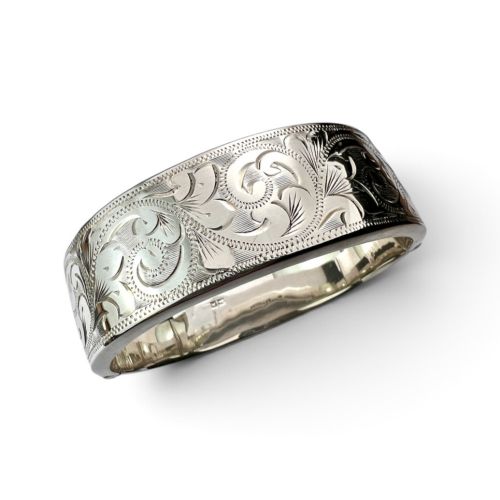
Silversmiths utilised sterling silver and solid silver, shaping metal into hinged cuffs, bangles, and linked chains. Pierced filigree settings and hand engraving provide detailed surface texture on many examples.
Vitreous enamel in blue and other shades adds colour, fused directly to the silver base in styles ranging from Arts and Crafts to Art Deco. Marcasite stones, cultured pearls, onyx, and amber are set into the metal to create contrasting focal points.
Several Victorian pieces include clever snake motifs and dog clip fastenings, proving that even a nineteenth-century wrist needed a watchdog.
What varies in quality
The precision of hand engraving and the complexity of filigree work distinguish finer pieces from simpler productions. Crisp lines in geometric Art Deco links and secure hinges on cuffs indicate careful manufacturing.
The application and preservation of vitreous enamel affect the overall finish, with smooth, intact surfaces representing superior craftsmanship. The integration of supplementary materials, such as matched cultured pearls or secure marcasite settings, also shapes the standard of the piece.
Georg Jensen·Walker & Hall·TOPAZIO
The Vintage Sterling Bracelet Glossary
- Sterling silver
- An alloy consisting of silver and other metals, typically copper, meeting a specific standard of purity. This alloy provides the structural durability needed for bracelets and bangles.
- Vitreous enamel
- Glass fused to a metal surface through high-temperature firing. It creates glossy, coloured decorative panels on silver mounts.
- Marcasite
- Small, faceted iron pyrites stones polished and set in silver to resemble cut steel or diamonds. They sparkle intensely under light.
- Filigree
- Delicate openwork jewellery created by soldering fine silver wires together into intricate patterns. It often appears in pierced settings.
- Dog clip
- A spring-loaded swivel fastening commonly found on nineteenth-century watch chains and antique charm bracelets. It secures the piece reliably around the wrist.
Vintage Sterling Bracelet: Frequently Asked Questions
How do I clean my silver bracelet?
Use a soft microfibre cloth to gently polish the sterling silver surface and remove daily tarnish.
Avoid submerging pieces that contain enamel, pearls, amber, or onyx in liquid cleaning solutions, as moisture can damage organic materials and delicate settings.
Are these bracelets suitable for daily wear?
Solid silver hinged cuffs and robust linked bracelets from the Victorian and mid-century periods are generally sturdy enough for regular use.
Items set with fragile materials like vitreous enamel or pearls require extra care to prevent knocks and scratches during daily activities.
How do I identify a Victorian silver bangle?
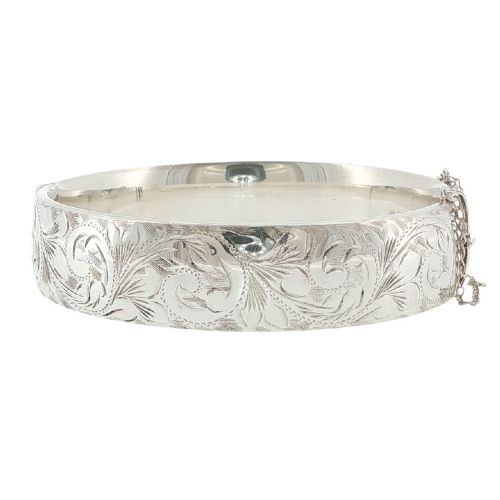
Victorian examples often feature substantial weight, hand-engraved floral or geometric motifs, and secure box clasps or safety chains.
Buckle designs and corset bangle profiles are also characteristic of nineteenth-century manufacturing styles.
What is a hinged cuff bangle?
A hinged cuff is a rigid, solid silver band divided into two halves connected by a hinge on one side and a clasp on the other.
This design allows the bracelet to open wide for easy placement on the wrist before snapping securely shut.