

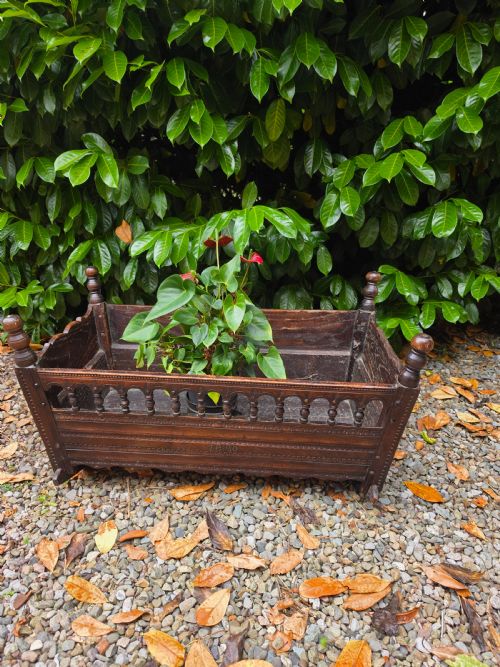
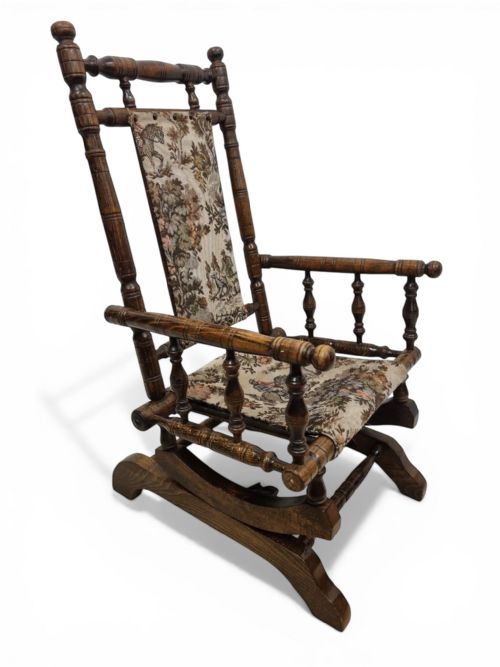


Vintage Spindle Rocker
These vintage spindle rocker pieces offer traditional seating and swinging cradles, bringing rustic charm and heritage craftsmanship directly into your home.
Vintage Spindle Rocker
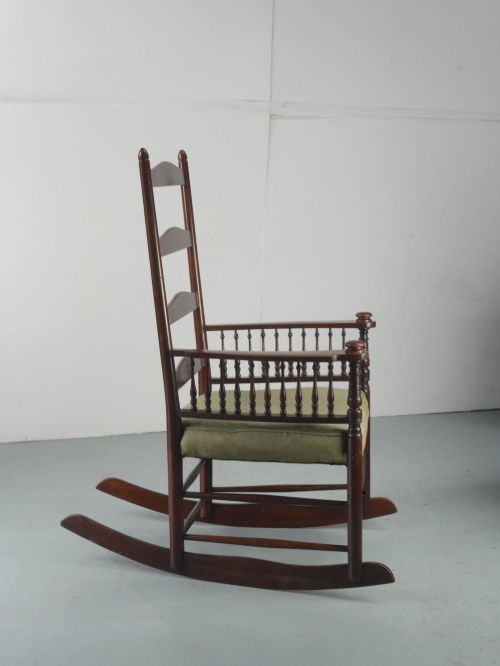
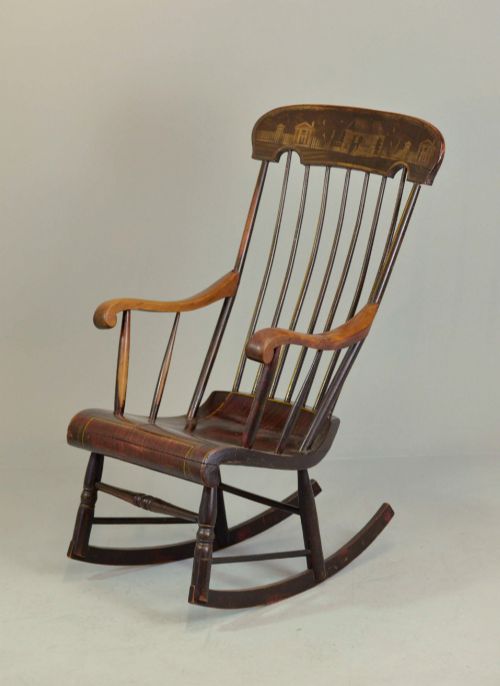
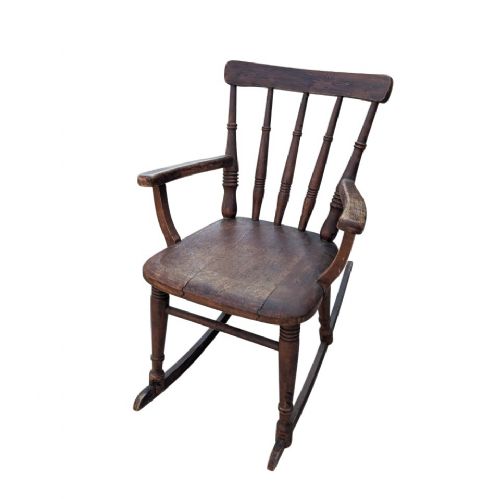
A vintage spindle rocker provides traditional seating and swinging cradles through regional forms spanning the seventeenth century to the early twentieth century. Buyers seeking a vintage spindle rocker encounter various domestic seating solutions, including adult armchairs and children's chairs.
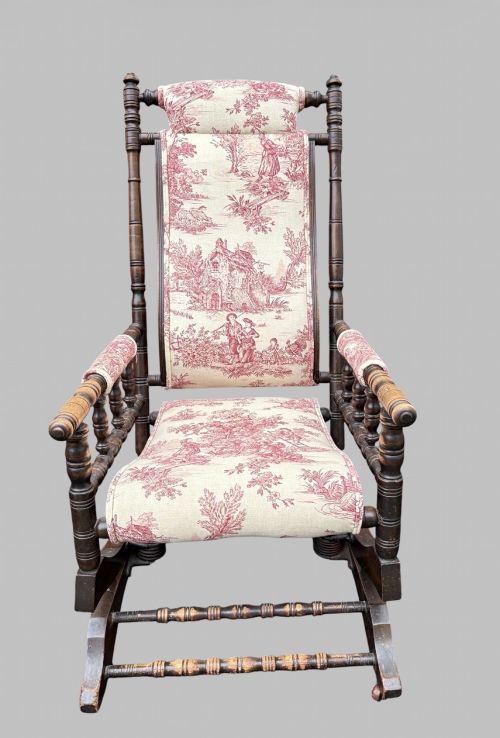
The selection encompasses English country, Victorian country, Scandinavian country, and traditional American styles. Examples range from simple farmhouse chairs to bobbin framed designs and Windsor spindle backs.
Makers utilised domestic timbers like oak, beech, elm, and fruitwood to construct these rocking chairs and cradles. Many pieces survive in original paint, showing the honest wear of past domestic use.
Assessing Quality and Character
Quality rests in the integrity of the turned spindles, the tightness of the frame joinery, and the survival of original surface finishes like early paint or polish. Chairs retaining their original seating material, whether solid wood, leather, or seagrass, demonstrate superior historical preservation.
Proportion and regional detailing distinguish standard vernacular output from more considered workshop pieces, such as bobbin framed armchairs or early cradles. The balance of the rocker runners and the harmony of the timber selection ultimately determine the visual success of the piece.
Vintage Spindle Rocker Retail Price Guide 2026
Typical asking prices for vintage spindle rocker among the pieces listed under this phrase on Sellingantiques today, from the lower quarter to the upper quarter. They describe what is for sale here now, not the wider market.
The Vintage Spindle Rocker Glossary
- Spindle back
- A chair back constructed from vertical turned wooden rods fitted into a top rail and seat. This technique reduces weight while providing robust support.
- Bobbin framing
- Furniture turned on a lathe to resemble a series of wooden spools or bobbins linked together. This decorative turning style appears frequently on seventeenth and nineteenth century seating.
- Vernacular furniture
- Domestic objects made by regional craftsmen for local use rather than following high-style metropolitan fashions. These pieces reflect the specific materials and traditions of their geographic origin.
- Windsor chair
- A chair built with a solid wooden seat into which the legs and back spindles are separately inserted. Spindle back variants distribute weight efficiently through angled structural legs.
- Fruitwood
- Timber sourced from fruit-bearing trees such as pear, apple, or cherry, known for a dense grain and warm tone. Makers utilised these woods for turned elements and smaller furniture forms.
Vintage Spindle Rocker: Frequently Asked Questions
How do I care for a painted wooden rocker?
Keep the chair away from direct heat sources and strong sunlight to prevent the timber from drying out and the original paint from flaking.
Dust gently with a dry cloth and avoid harsh modern cleaning agents that might strip historic finishes.
Can I use an antique rocking chair daily?
Most of these chairs were built for practical domestic service and remain structurally sound for regular sitting.
Check the joints and rocker runners periodically to ensure the historical construction handles continuous movement without strain.
How do I identify a regional style?
Regional pieces often display local timber choices, such as elm in English farmhouse chairs or fruitwood in vernacular cradles. Turning patterns and paint applications further hint at whether a piece originated in British, Scandinavian, or American workshops.
Comparing the joinery details reveals the specific traditions followed by the maker.