



Vintage Spice Cupboard
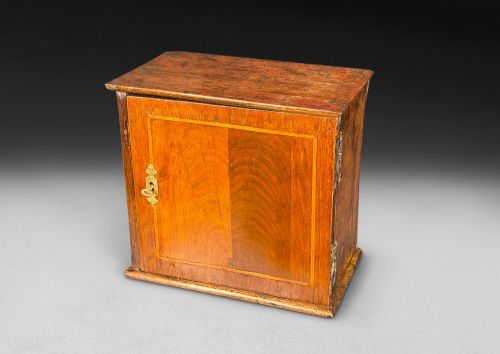
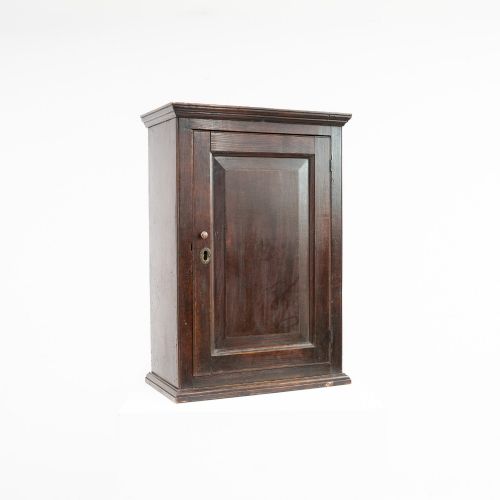
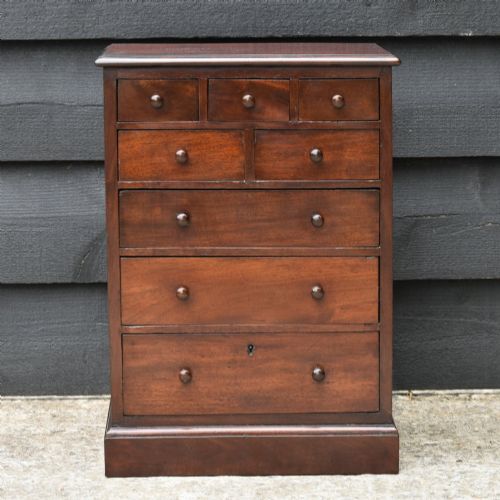
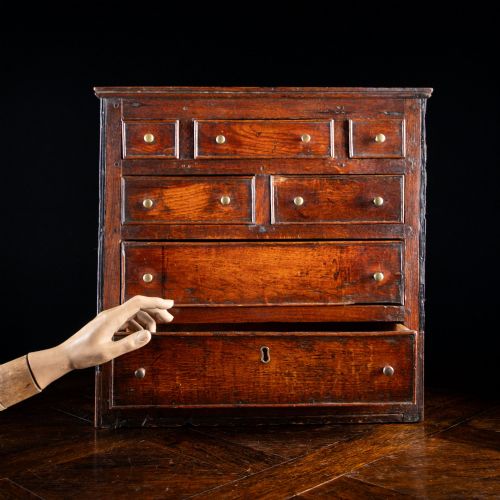
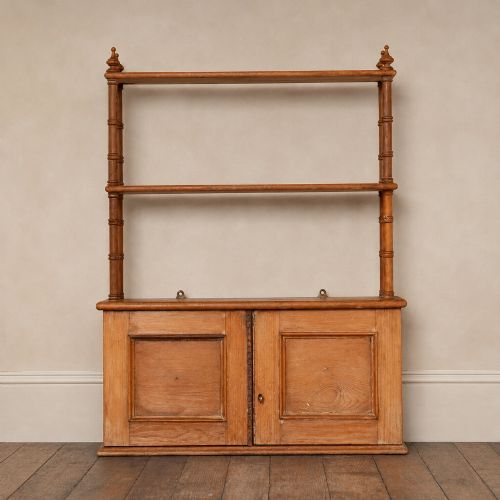
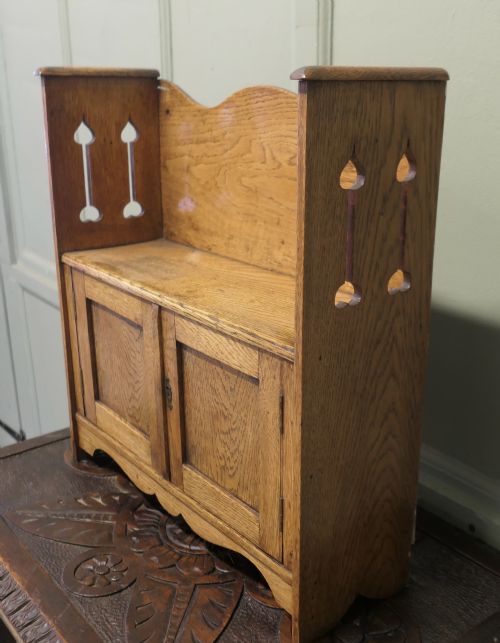
These vintage spice cupboard examples offer compact wall-mounted storage and tabletop organisation rooted in centuries of vernacular craft.
Vintage Spice Cupboard
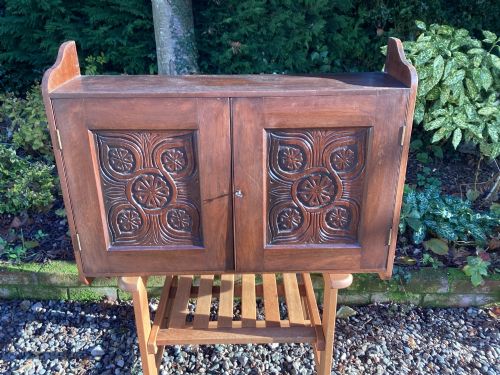
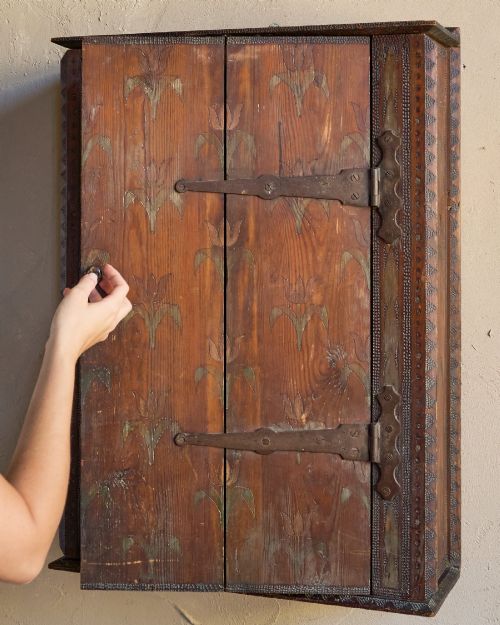
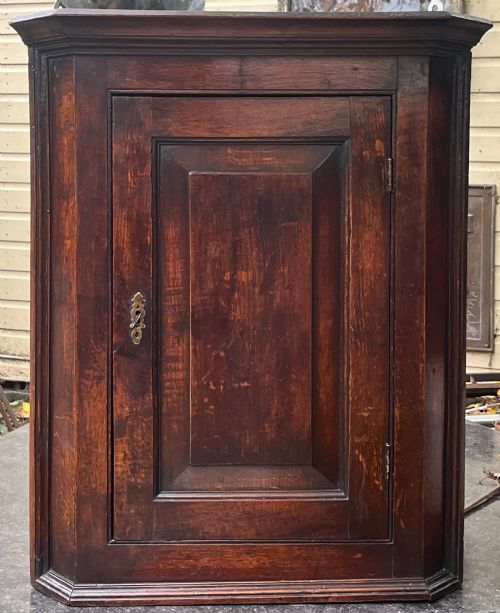
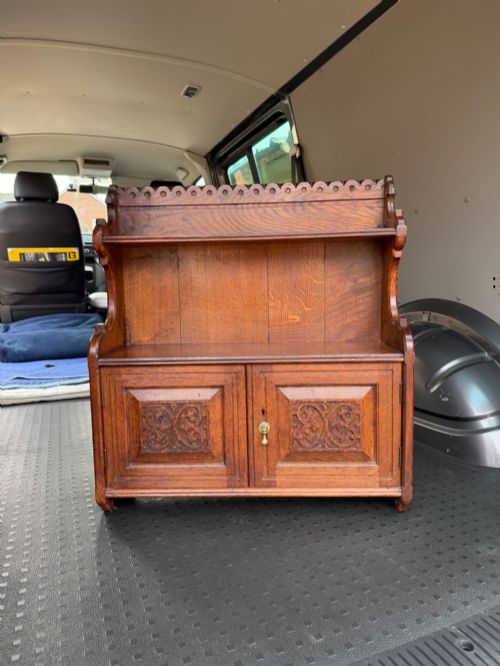
A vintage spice cupboard represents the smaller scale of domestic storage, designed to keep seasonings, dry goods, and small valuables secure in the kitchen or parlour. Buyers seeking a vintage spice cupboard typically encounter pieces intended to hang upon a wall or rest safely on a tabletop.
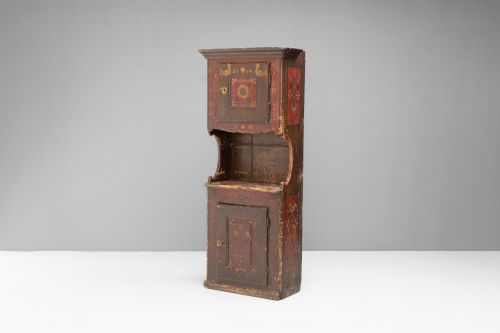
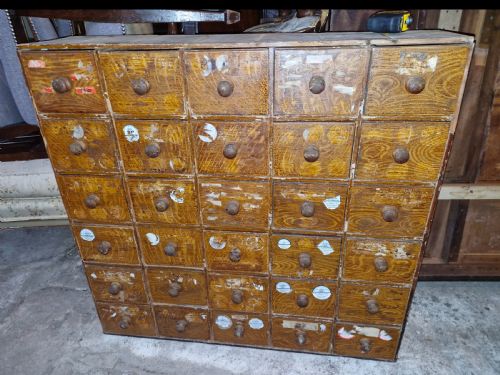
The materials and forms span utilitarian pine and fruitwood drawer units to polished mahogany and oak wall cabinets originating across British, Scandinavian, French, and Chinese provincial traditions. Many examples incorporate banks of small drawers, single panelled doors, or open shelving alongside enclosed compartments.
Dated variations stretch from the eighteenth century through the Victorian and Edwardian eras into early twentieth-century design movements including Arts and Crafts, Art Nouveau, and Art Deco. These cabinets reflect the specific domestic storage needs of their respective periods, balancing compact proportions with functional internal divisions.
Materials and construction
Makers relied on solid timbers such as oak, pine, mahogany, fruitwood, and limewood, frequently shaping them with hand tools for wall-hanging or tabletop use. Construction methods involve pegged joints, dovetail connections on small drawers, and panelled doors fitted with iron or brass hinges.
Surface finishes range from natural waxed grain and historic painted coats to Gothic panel carving, inlaid wood, and exposed metal hardware. These diverse techniques ensured that everyday storage pieces possessed both structural durability and distinct regional character.
Vintage Spice Cupboard Retail Price Guide 2026
Typical asking prices for vintage spice cupboard among the pieces listed under this phrase on Sellingantiques today, from the lower quarter to the upper quarter. They describe what is for sale here now, not the wider market.
Listings feature oak, pine, mahogany, fruitwood, and limewood cabinets spanning the eighteenth, nineteenth, and early twentieth centuries.
Distinctions in quality
Quality rests upon the integrity of the timber selection, the crispness of joinery such as hand-cut dovetails on small drawers, and the originality of hinges, escutcheons, and pulls. Cabinets retaining their early or original painted surfaces or patinated wood finishes hold greater material authenticity.
Proportion and decorative restraint also separate standard utility boxes from finer architectural wall cabinets. Pieces demonstrating considered detailing, balanced panel placement, and sturdy hanging points reflect superior workshop execution.
The Vintage Spice Cupboard Glossary
- Apprentice piece
- A miniature item created by a trainee artisan to demonstrate mastery of joinery and furniture construction techniques before entering a guild.
- Apothecary chest
- A multi-drawer cabinet originally utilised by chemists or pharmacists for organising medicinal herbs, powders, and compounding ingredients.
- Provincial
- A designation for items made in regional workshops outside metropolitan centres, often displaying local timber choices and vernacular aesthetic preferences.
- Dovetail
- A traditional interlocking joint formed by interlocking wedge-shaped fingers, prized for its tensile strength in drawer construction.
Vintage Spice Cupboard: Frequently Asked Questions
How were spice cupboards used?
These small cabinets were hung on walls or placed on tabletops to keep valuable culinary spices, herbs, and medical ingredients dry and secure from pests.
Their internal drawers and small shelves kept numerous distinct substances separated for daily domestic preparation.
Where should I hang a wall cabinet?
Wall cabinets require secure placement on solid masonry or direct attachment to timber studs using appropriate brackets suited to their weight.
Kitchens, dining rooms, and hallways provide practical settings where their compact proportions do not obstruct movement.
How do I date a wooden cabinet?
Dating relies on observing construction methods, tool marks, timber species, and fastener types such as hand-wrought iron nails versus modern screws.
Stylistic cues from periods like Georgian, Victorian, or Arts and Crafts further narrow the timeframe of manufacture.
Are painted finishes original?
Historic painted surfaces often display craquelure, wear patterns, and underlying timber interaction consistent with age and regional folk traditions.
Scandinavian and continental European pieces frequently utilise painted pine and softwood construction rather than polished hardwood.