





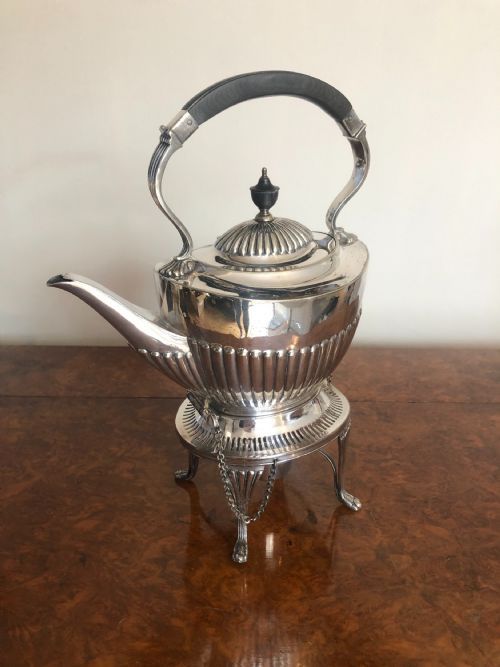
Vintage Silver Tea Service Accessory
These vintage silver tea service accessory pieces bring proper period elegance to the table, and sugar tongs, cream jugs, and kettles are exactly what you will find here.
Vintage Silver Tea Service Accessory
A vintage silver tea service accessory completes the tea table with functional accompaniments like sugar tongs, cream jugs, and spirit kettles. When searching for a vintage silver tea service accessory, buyers encounter forms spanning the Georgian, Victorian, Edwardian, and Art Deco eras.
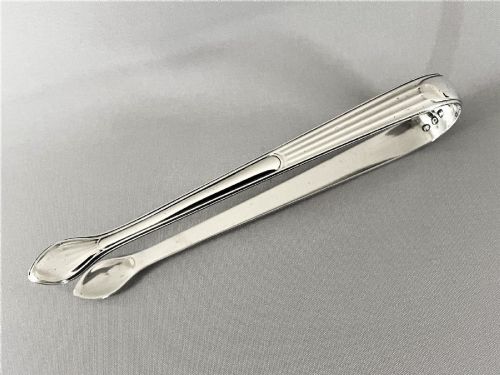
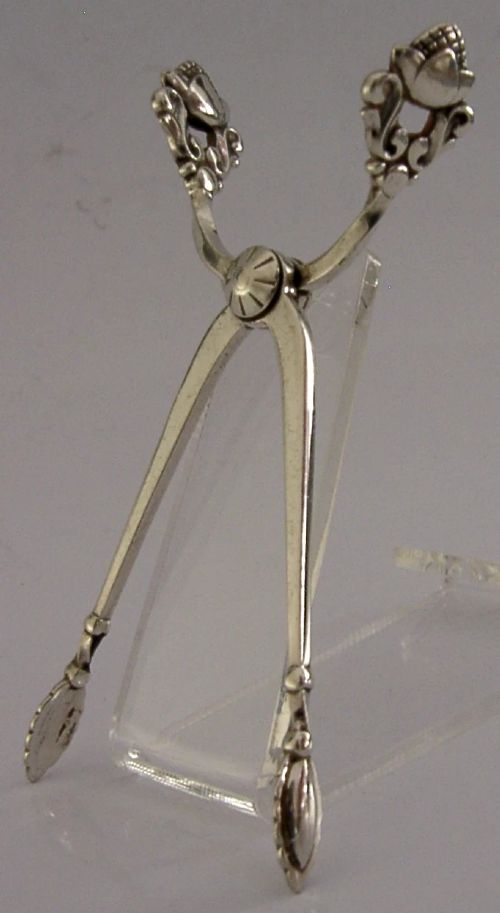
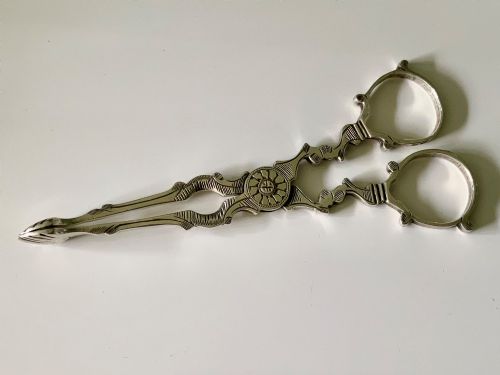
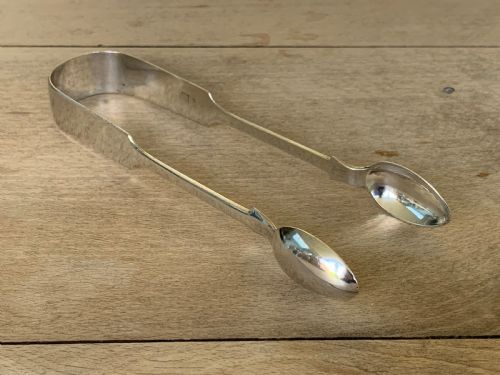
The pieces listed on this page include sterling silver and silver plated sugar tongs, sugar nips, sugar bowls, cream jugs, and spirit kettles. Makers such as the Bateman Family, Georg Jensen, Josiah Williams & Co, and Mappin & Webb appear across the selection.
Originating from periods including Regency, 1800, Victorian, 1900, 1930, and 1950, these items reflect diverse design movements from traditional Georgian style to Danish Modern and Art Deco. Sugar tongs and nips are the most common forms met on this page, alongside paired sugar bowls and cream jugs.
How they were made
These items utilise sterling silver, silver plate, and electroplated nickel silver, often combined with details in copper, gold gilt, gilt, and ebony. Tongs and nips are forged or stamped from solid sterling or plated metals to achieve spring and durability.
Hollowware pieces such as sugar bowls, cream jugs, and spirit kettles are shaped through traditional silversmithing techniques, employing soldered joints and applied cast handles. Decorative elements range from ornate Victorian chasing to clean lines in Art Deco and Danish Modern designs.
Vintage Silver Tea Service Accessory Retail Price Guide 2026
Typical asking prices for vintage silver tea service accessory among the pieces listed under this phrase on Sellingantiques today, from the lower quarter to the upper quarter. They describe what is for sale here now, not the wider market.
Listings on this site span eight distinct periods, from Georgian and Regency origins through Victorian, Edwardian, and Art Deco up to nineteen-fifty.
What varies in quality
Quality in these accessories rests upon the weight of the metal, the crispness of the chasing or pattern work, and the integrity of any applied plating. Solid sterling silver pieces by noted makers demonstrate superior gauge and finer detail than mass-produced plated equivalents.
The longevity of a piece depends on the preservation of its original surface finish, whether bright sterling or intact silver plate over nickel silver or copper. Maker marks and hallmarks provide clear evidence of origin and standard, distinguishing workshop production from standard commercial output.
Bateman Family·Georg Jensen·Josiah Williams and Co·Mappin and Webb
The Vintage Silver Tea Service Accessory Glossary
- Sterling silver
- A silver alloy containing 92.5 percent pure silver and 7.5 percent other metals, usually copper. This standard ensures durability while maintaining a bright metallic lustre.
- Silver plate
- A base metal, such as copper or nickel silver, coated with a thin layer of pure silver. This technique provided a more affordable alternative to solid sterling ware.
- Electroplated nickel silver
- A base metal alloy of copper, nickel, and zinc coated with silver using an electrolytic process. It served as a robust foundation for Victorian and Edwardian hollowware.
- Sugar nips
- A spring-action utensil used for grasping sugar lumps before the widespread adoption of granulated sugar. They often feature ornate pierced or chased arms.
- Spirit kettle
- A water kettle mounted on a metal stand equipped with a small spirit burner beneath. This allowed water to be kept hot at the tea table.
Vintage Silver Tea Service Accessory: Frequently Asked Questions
What is a spirit kettle used for?
A spirit kettle provides hot water at the tea table without the need to return to the kitchen. The integrated burner beneath the stand keeps the water at the correct temperature throughout the meal.
These kettles were particularly popular during the Edwardian period as part of larger tea service arrangements. They combine practical utility with substantial decorative presence on the sideboard.
How do sugar tongs differ from sugar nips?
Sugar tongs typically consist of a single piece of metal bent into a spring arch with shaped ends for gripping. Sugar nips often feature pivoted handles and scissor-like action with small bowl ends.
Both tools served the same function during tea service when sugar was dispensed in solid loaves or lumps rather than loose grains.
How do I identify silver plate from sterling?
Sterling silver items bear hallmarks indicating the standard of metal and the maker, whereas plated items often display manufacturer marks denoting electroplate. Examining worn areas can reveal the copper or nickel base metal beneath thin silver plating.
Weight and touch also offer clues, as solid sterling possesses a distinct heft and thermal conductivity compared to plated base metals.
What styles are common in vintage tea accessories?
Styles range from ornate Victorian and Georgian revival patterns to sleek Art Deco and minimalist Danish Modern designs. Each era imparted its own aesthetic to everyday tea table implements.
Traditional pieces feature chased foliage and scrolls, while later twentieth-century examples favour geometric forms and smooth surfaces.