
Vintage Silver Table Tableware
These vintage silver table tableware pieces comprise dining accessories from the Georgian, Victorian, Edwardian and mid-century periods that elevate a dining room.
Vintage Silver Table Tableware
Vintage silver table tableware encompasses dining accessories used for setting a table and serving food, ranging from small personal items to centrepiece serving vessels. When searching for this phrase, buyers encounter practical dining implements alongside decorative items designed to adorn the dining room.
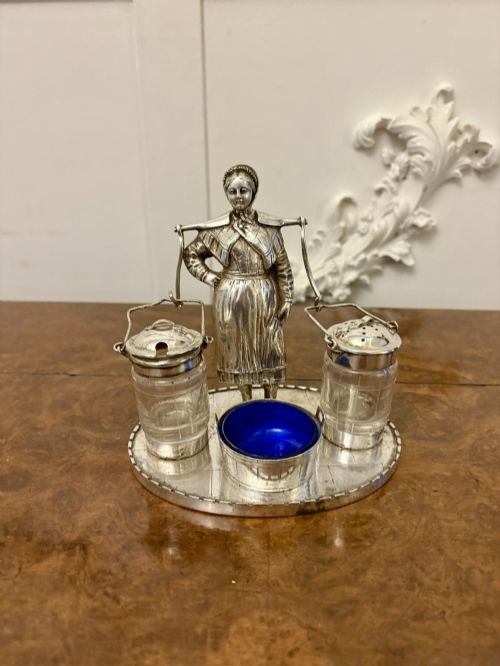
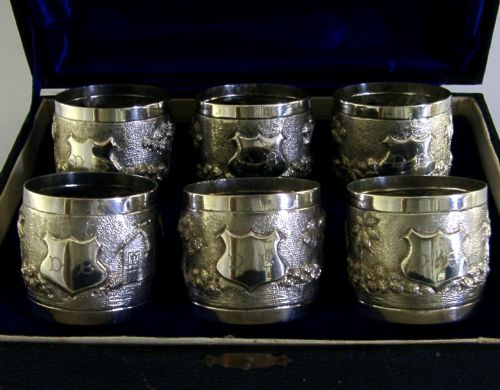
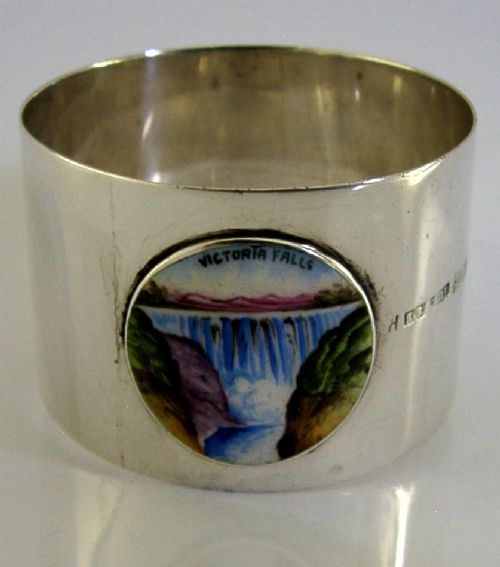
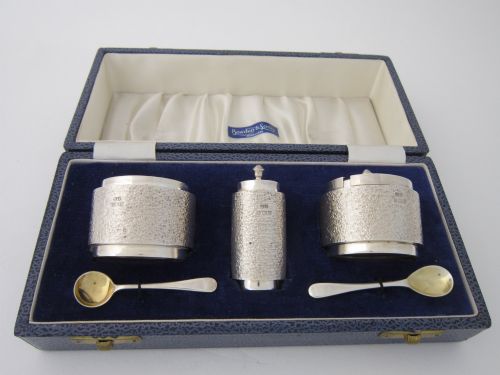
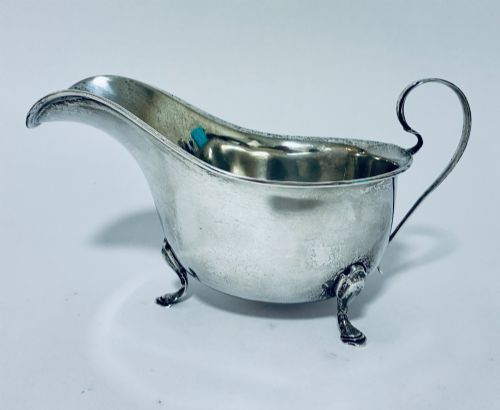
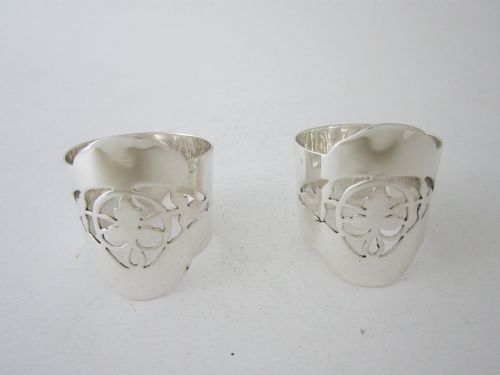
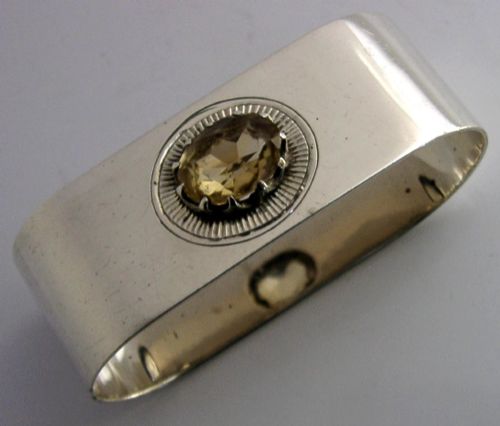
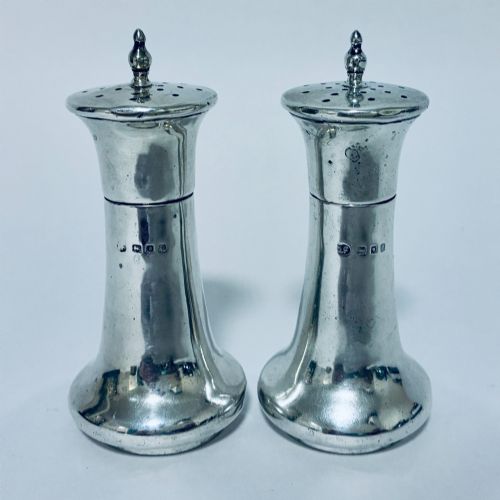
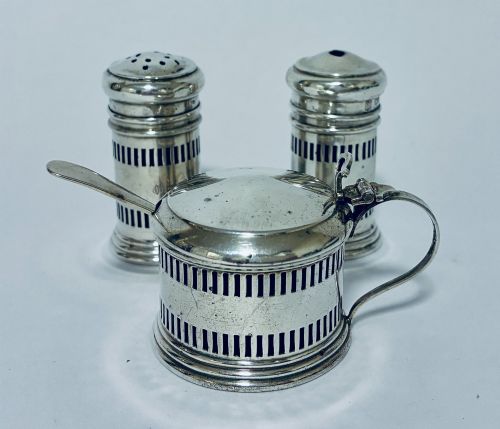
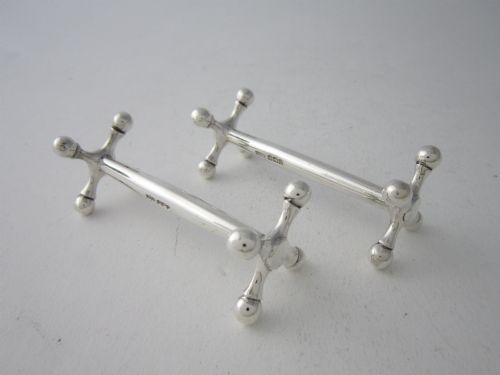
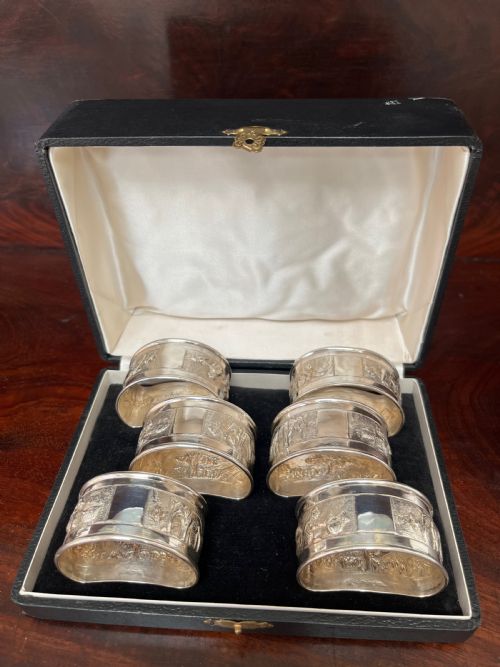
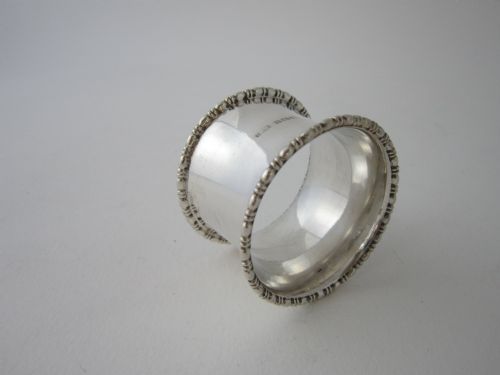
Napkin rings, cruet sets, pepper pots, sauce boats, menu holders, knife rests and cutlery sets form the core of the items seen on this page. These pieces date across multiple periods, including the Georgian, Victorian, Edwardian, George V and mid-century eras, reflecting changing dining customs over two centuries.
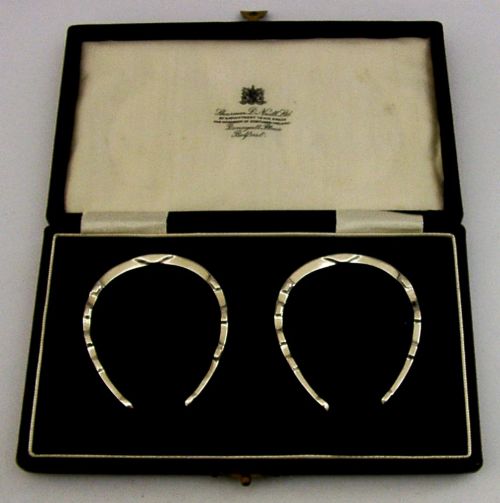
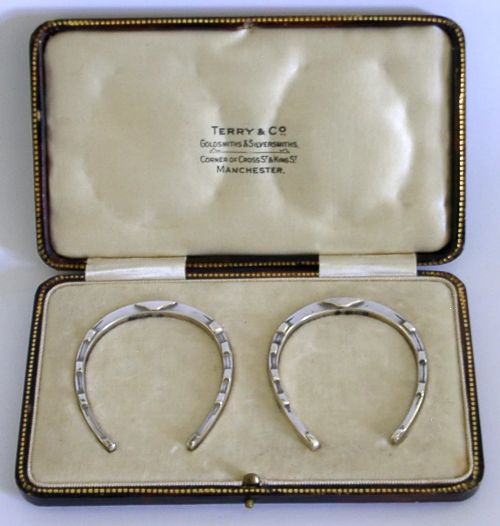
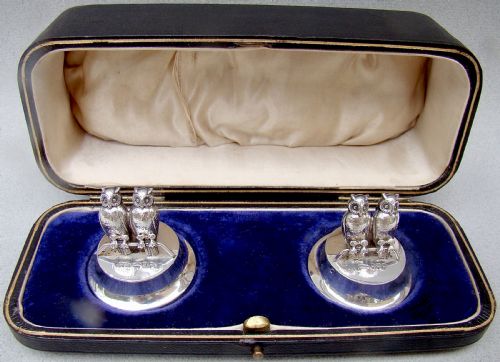
Cased sets appear frequently alongside individual items, indicating that many dining accessories were purchased or given as presentation gifts. The assortment spans sterling silver and silver plate, occasionally incorporating materials like glass, agate and velvet linings.
Materials and technique
Makers utilised solid sterling silver and silver plate as the primary metals for table tableware, shaping them through techniques such as casting, hammering, piercing and embossing. Sterling silver offers durability and lasting intrinsic value, while silver plate provided an accessible way to achieve an opulent table setting.
Secondary materials appear in supporting roles, notably cut glass liners for butter dishes and condiment sets, agate stones inset into napkin rings, and velvet or silk fitted within presentation cases. These mixed-media pieces demonstrate the careful integration of glass and stone with metalwork during the Victorian and Edwardian periods.
Variations in quality
Quality in vintage silver table tableware rests upon the crispness of detail in cast or embossed decoration, the thickness of the metal gauge used, and the integrity of any applied silver plating. Pieces created by notable makers exhibit superior weight and precise execution in novel forms like owls, horseshoes or love hearts.
The survival of original fitted presentation cases and matching sets elevates the desirability of items like napkin rings and cruet sets. Craftsmanship is further distinguished by the balance of the object, the smooth operation of hinged elements, and the retention of silver gilt highlights where applied.
Levi and Salaman·Sampson Mordan·R. E. Stone·Georg Jensen·Christofle
The Vintage Silver Table Tableware Glossary
- Cruet set
- A matched set of containers for holding condiments such as salt, pepper, mustard and vinegar at the table. These often sit within a metal frame or stand.
- Menu holder
- A small upright display stand used to hold printed meal menus on a dining table. They frequently take decorative novelty shapes, including animals.
- Knife rest
- A small horizontal support placed on the table to keep used cutlery raised off the tablecloth between courses. They are often made in heavy pairs.
- Silver gilt
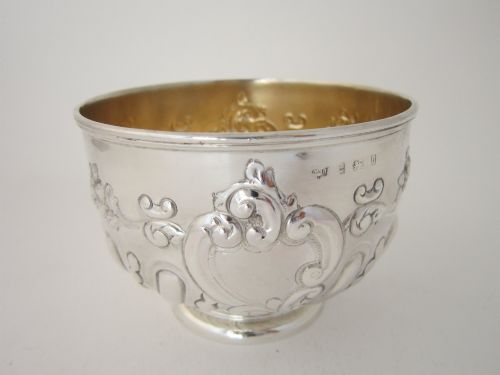
- Silver that has been coated with a thin layer of gold on its surface. This technique provides a warm interior contrast in items like bowls and cream jugs.
- Sterling silver
- An alloy of silver containing 92.5 percent pure silver and 7.5 percent other metals, usually copper. This standard ensures structural durability for functional tableware.
Vintage Silver Table Tableware: Frequently Asked Questions
What is a silver cruet set used for?
A silver cruet set holds seasonings and condiments like salt, pepper and mustard, keeping them organised for guests at the dining table.
These sets typically include glass bottles or silver pots mounted on a matching stand for easy passing between diners.
How do I care for silver tableware?
Silver tableware requires gentle hand washing with mild soap and warm water, followed by immediate drying with a soft cloth to prevent water spots.
Tarnishing can be managed periodically using a specialist silver polishing cream applied lightly with a non-abrasive cloth.
Were napkin rings used individually or in sets?
Napkin rings were produced both as matched sets of four, six or twelve for family dining, and as individual presentation pieces for guests.
Cased sets were popular choices for wedding gifts and anniversaries, often featuring engraved initials or numbers.
What is the difference between sterling silver and silver plate?
Sterling silver is a solid precious metal alloy composed of 92.5 percent silver, giving it intrinsic value throughout the entire piece.
Silver plate consists of a base metal, such as copper or nickel brass, coated with a thin outer layer of pure silver.