

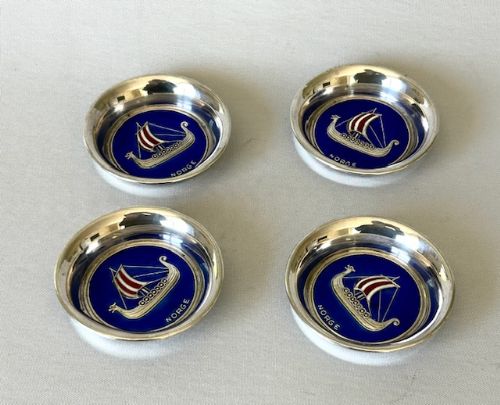


Vintage Silver Ship
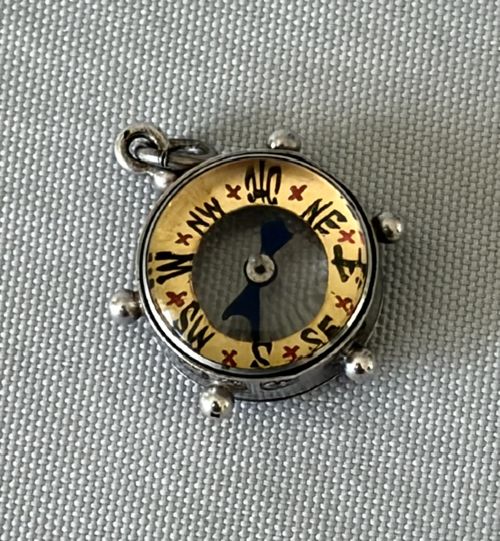
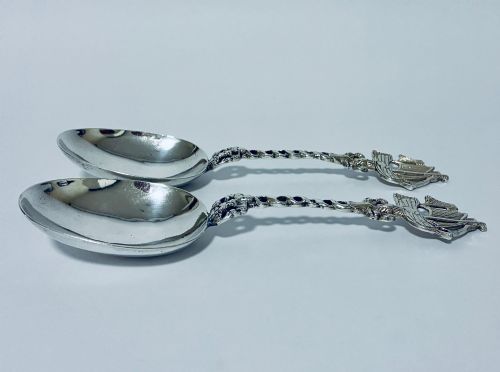
These vintage silver ship pieces bring maritime history indoors, offering authentic nautical charm through detailed miniature models, desk accessories, and timepieces.
Vintage Silver Ship
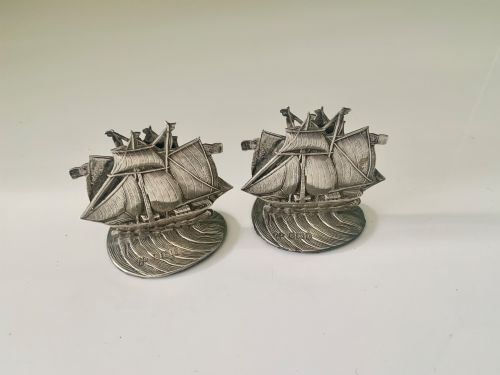
You are most likely to meet smaller decorative objects and table pieces on this page, including menu holders, trinket dishes, and miniature vessels. Pieces range from Victorian novelties to mid-century Scandinavian designs reflecting nautical heritage.
How they were made
Materials such as solid sterling silver, silver plate, nickel, and glass form the primary substance of these pieces. Craftspeople combined metals with enamel details and wooden mounts to create durable nautical objects.
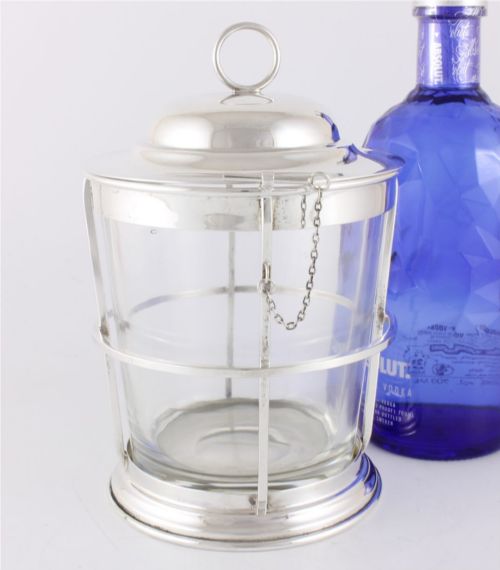
Techniques varied from cast novelty items and detailed enamel work to heavy-duty plating used on functional maritime lighting and ice buckets.
Vintage Silver Ship Retail Price Guide 2026
Typical asking prices for vintage silver ship among the pieces listed under this phrase on Sellingantiques today, from the lower quarter to the upper quarter. They describe what is for sale here now, not the wider market.
Some miniature silver vessels were built with tiny movable anchors, proving that even a desk ornament needs to stay moored.
What varies in quality
Quality separates mass-produced items from finer pieces through the crispness of casting and the weight of the metal utilised. Superior examples display careful attention to anatomical detail in miniature vessels and robust construction in functional items.
The finish of the metal and the preservation of enamel or plating distinguish better items. Makers who invested time in hand-finishing produced pieces that retain their decorative appeal over decades.
Elkington And Co·Litherland Davies Of Liverpool·Gay Vicarino·Pascall Atkey Of Cowes·Tissot
The Vintage Silver Ship Glossary
- Gimbal
- A pivoted support that allows a ship's lamp or compass to remain level despite the rolling of a vessel. These brass and nickel items were essential equipment at sea.
- Bulkhead clock
- A heavy timepiece designed to be mounted directly to the wall of a ship's cabin. They often feature robust mechanical movements housed in brass or silver-plated cases.
- Enamel
- A glassy substance fused to the surface of silver through firing to add colour and decoration. It appears frequently on mid-century Norwegian dishes.
- Menu holder
- A small table accessory designed to hold cards detailing the courses at formal dinners. Maritime pairs often take the form of galleons or sailing boats.
- Fusee
- A conical pulley used in older clocks to maintain even tension on the mainspring as it unwinds. Twin fusee movements provide greater accuracy in marine timekeepers.
Vintage Silver Ship: Frequently Asked Questions
What is a silver ship model used for?
These models served primarily as decorative table pieces or desk ornaments rather than functional toys. Wealthy households displayed them to celebrate maritime heritage and naval achievements.
Today, collectors place them on mantelpieces, desks, or cabinets as statement interior items that reflect an appreciation for nautical history.
How do I clean silver ship items?
Use a soft microfibre cloth and a gentle, non-abrasive silver polish to remove tarnish gently. Avoid harsh chemical dips that can strip away antiqued details or damage surrounding glass and enamel.
Take extra care around delicate rigging on miniature boats or painted dials on clocks to prevent accidental breakage during maintenance.
Are these items waterproof?
Items like ice buckets and glass lamp containers are designed to hold liquids or ice during use. However, vintage mechanisms, watches, and compasses must be kept dry to preserve their internal components.
Carefully check the construction of each piece before exposing it to moisture or liquids in a modern setting.
How can I tell the age of a piece?
Examine hallmarks, maker marks, and the overall manufacturing style to determine the likely production period. Victorian and Edwardian pieces often display distinct registration marks or traditional silversmith stamps.
Mid-century items tend to feature cleaner Scandinavian modern lines or simpler enamel palettes characteristic of the nineteen-fifties.