





Vintage Silver Serving Ladle
These vintage silver serving ladle examples span centuries of dining, offering elegance and functional charm for the modern table.
Vintage Silver Serving Ladle
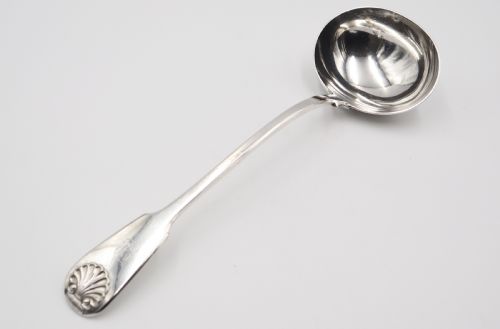
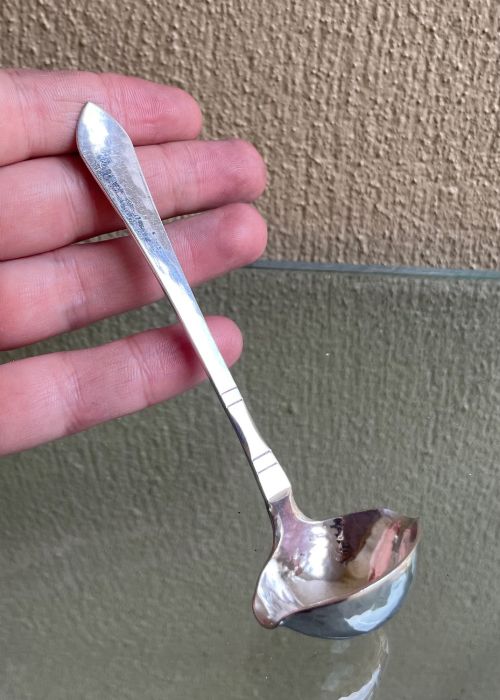
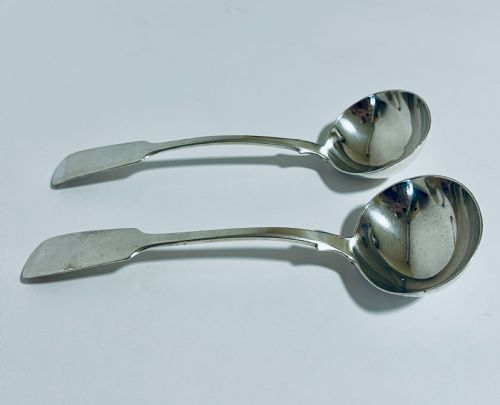
When you search for a vintage silver serving ladle, you are looking at implements designed to transfer liquids, broths, and sauces from tureen to bowl. The selections here include forms ranging from large soup and punch ladles to smaller sauce and gravy variants, often accompanied by related serving spoons and sifters.
You are most likely to meet pieces originating from Georgian, Victorian, and Edwardian periods, alongside continental European and Scandinavian examples. Materials span sterling silver, solid silver, silver plate, and pewter, reflecting diverse domestic and formal dining traditions across centuries.
The assortment captures both British craftsmanship and international designs, including distinct patterns such as Colonial Revival or Danish Modern. Each piece represents a tangible link to historical dining rituals, combining utility with decorative metalwork.
How they were made
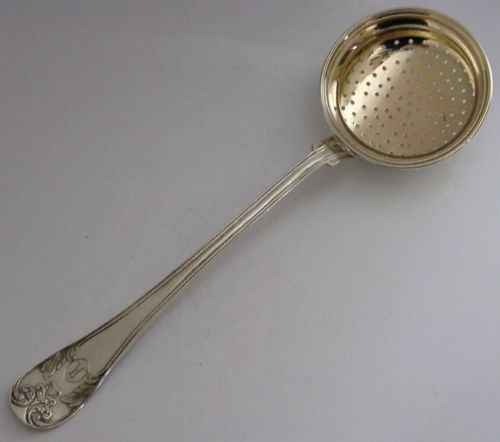
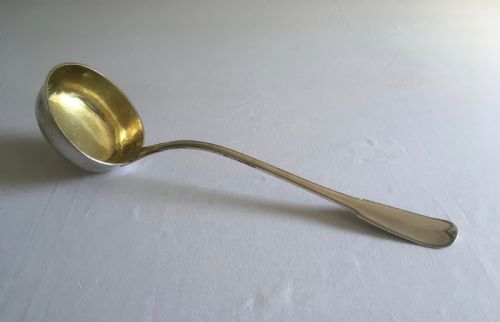
The construction of these utensils relies heavily on traditional silversmithing techniques, shaping solid silver or silver plate into deep bowls and sturdy handles. Many examples utilise sterling silver or continental silver grades, sometimes enhanced with a gold wash or silver gilt interior.
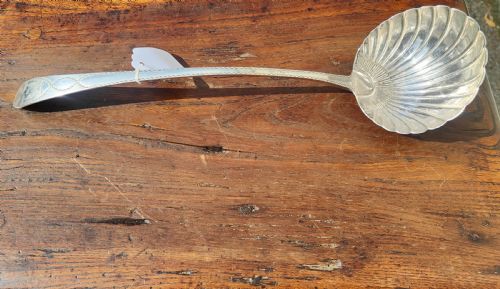
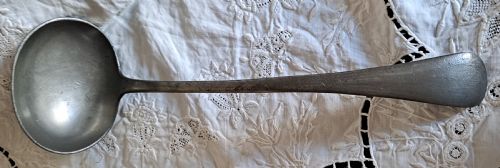
Pewter and electroplated nickel silver also appear among the materials, shaped through casting, hammering, and soldering methods appropriate to the period. Specialised finishes like shell-shaped bowls or pierced straining designs demonstrate meticulous attention to both form and function.
Vintage Silver Serving Ladle Retail Price Guide 2026
Typical asking prices for vintage silver serving ladle among the pieces listed under this phrase on Sellingantiques today, from the lower quarter to the upper quarter. They describe what is for sale here now, not the wider market.
Listings incorporate periods from the eighteenth century through the twentieth, spanning Georgian, Victorian, Edwardian, and Scandinavian antique designs.
What varies in quality
Quality in these utensils rests upon the weight of the metal, the balance of the handle, and the crispness of any engraved or chased decoration. Heavier solid silver pieces naturally command attention for their substantial feel, while plated items depend on the integrity of the underlying metal and the preservation of the surface finish.
Maker signatures and hallmarks significantly influence distinction, separating standard workshop output from renowned international houses. The precision of construction in joints, bowls, and pierced work defines the enduring standard of each piece.
Georg Jensen·John Yates·Mappin and Webb·Tiffany and Co
The Vintage Silver Serving Ladle Glossary
- Sterling silver
- An alloy containing a high proportion of pure silver combined with other metals for durability. This standard is frequently marked on British and American items.
- Silver gilt
- Silver that has been coated with a thin layer of gold on its surface. This technique is often applied to the interior bowls of ladles used for acidic foods.
- Pewter
- A malleable metal alloy historically used for domestic tableware and serving vessels. It provides a duller, softer lustre compared to silver.
- Electroplated nickel silver
- A base metal alloy of copper, nickel, and zinc coated with a layer of pure silver through an electrical process. It offered an accessible alternative to solid silver.
- Sugar sifter
- A specialised utensil featuring a perforated bowl designed for dusting powdered sugar over food. These often share similar proportions and handle designs with sauce ladles.
Vintage Silver Serving Ladle: Frequently Asked Questions
How do I clean a silver ladle?
Use a soft cloth and a gentle, non-abrasive silver polish formulated to remove tarnish without harming the metal surface. Avoid harsh scrubbing that might wear down delicate hallmarks or engravings.
Rinse the utensil in warm water and dry it thoroughly with a lint-free cloth to maintain its lustre and prevent water spots.
Can I use these ladles daily?
Solid silver and sturdy plated ladles remain fully functional for modern dining and entertaining. Hand washing is essential to preserve the finish and prevent damage from harsh dishwasher detergents.
Take care with antique pewter or delicate silver gilt items, which benefit from more occasional, gentle use.
What is the difference between a soup and sauce ladle?
Soup ladles feature significantly larger bowls and longer handles designed for deep tureens and large portions. Sauce and gravy ladles are scaled down for smaller jugs and boat-shaped vessels.
Both serve similar functional roles in table service but cater to different volumes of liquid.
How do I identify the age of a ladle?
Examine any stamped hallmarks, maker marks, or date letters pressed into the metal. These stamps often indicate the city of assay, the specific year of production, and the silversmith responsible.
Stylistic cues such as Georgian fiddle patterns or Edwardian ornamentation also help narrow down the period of manufacture.