




Vintage Silver Ring Case
A vintage silver ring case or cased silver set protects small dining and dressing items inside fitted velvet, silk, and leatherette.
Vintage Silver Ring Case
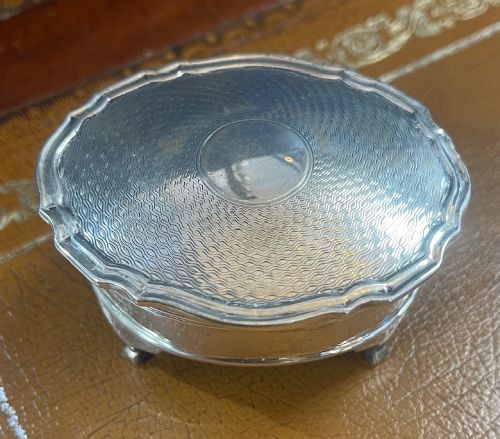
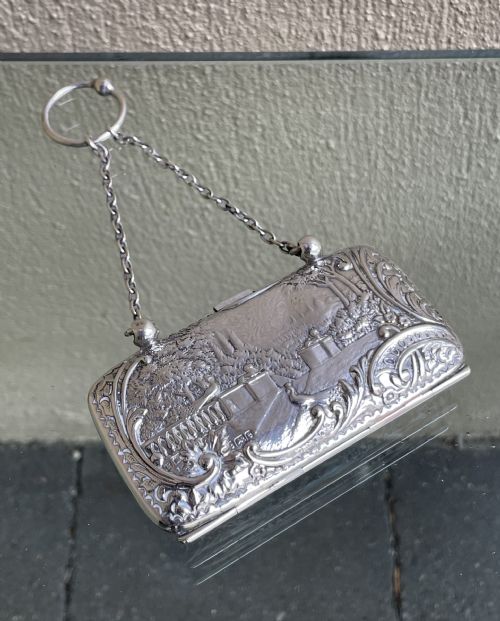
When you search for a vintage silver ring case, you find cased silver items and fitted boxes from the Victorian, Edwardian, and Art Deco periods. These listings primarily include cased sets of sterling silver napkin rings, along with trinket boxes, ladies purses, and bracket clocks.
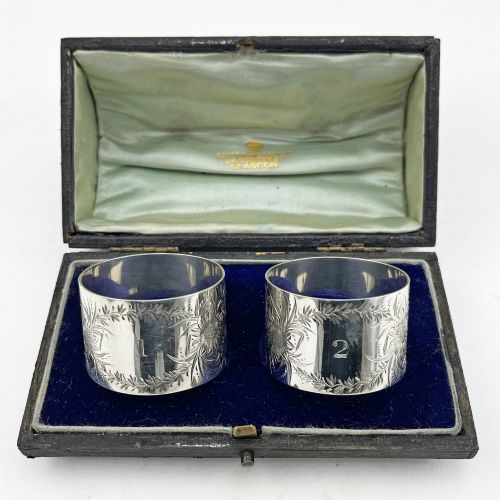
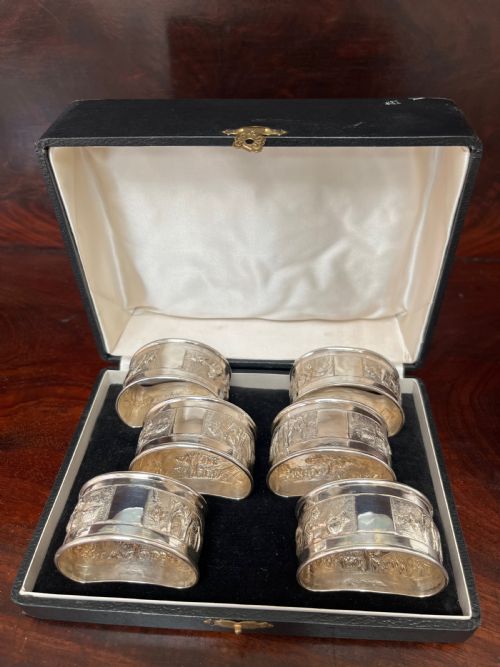
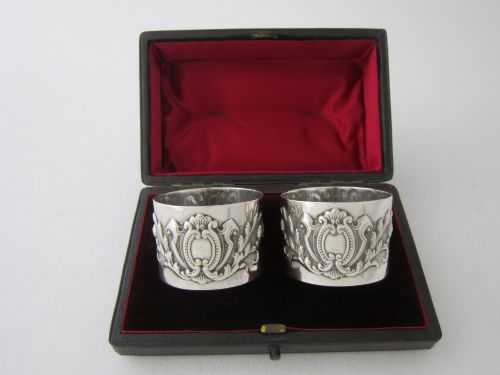
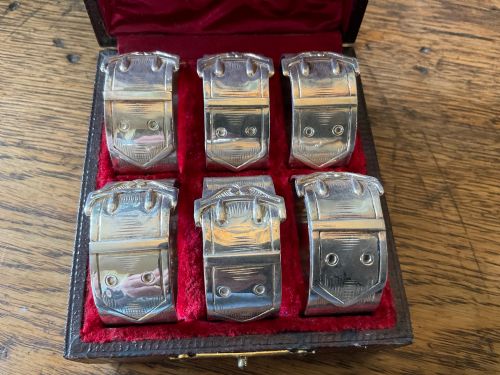
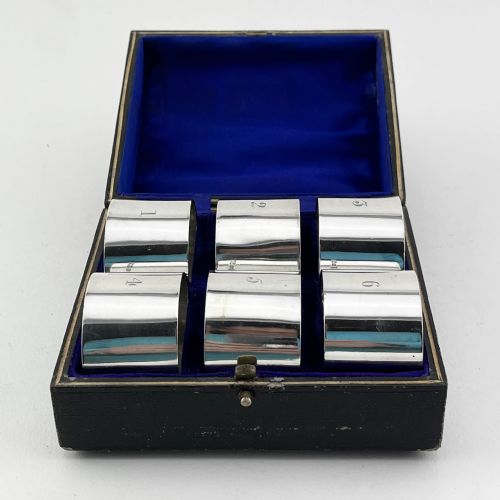
The most common items meeting this search are cased sets of napkin rings made in Birmingham and Sheffield during the early twentieth century. These pieces usually arrive in their original presentation boxes lined with silk or velvet to protect the silver.
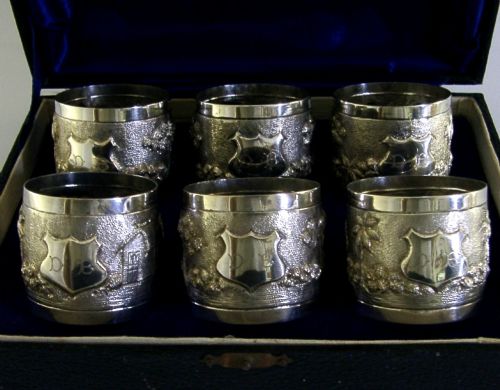
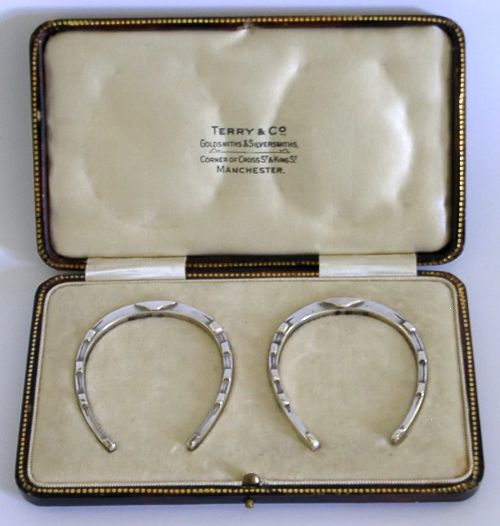
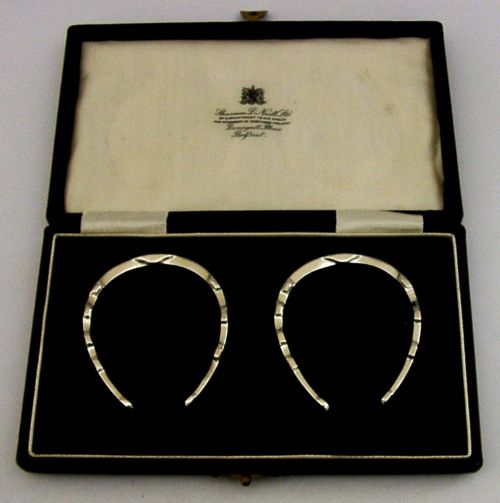
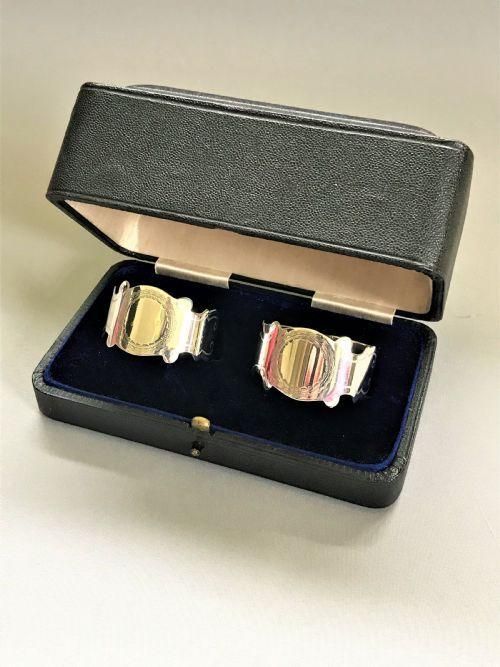
Makers and silversmiths designed these fitted cases to hold matching pairs or sets of six napkin rings, often shaped as lucky horse shoes or belt buckles. Alongside napkin rings, occasional silver heart boxes and trinket boxes appear within fitted containers.
Materials and construction
Silversmiths utilised sterling silver and silver plate for the metal components, shaping napkin rings, purses, and trinket boxes through stamping, casting, and engraving. Maker marks and assay office symbols stamped into the silver indicate the year of creation and place of testing.
The protective outer cases rely on wood, leather, or leatherette, while the internal beds utilise moulded silk, satin, and velvet. Hinges and clasps secure the outer shell to safeguard the delicate metalwork within.
Vintage Silver Ring Case Retail Price Guide 2026
Typical asking prices for vintage silver ring case among the pieces listed under this phrase on Sellingantiques today, from the lower quarter to the upper quarter. They describe what is for sale here now, not the wider market.
Listings feature sterling silver items alongside velvet, silk, leather, and leatherette across Victorian, Edwardian, and Art Deco periods.
Judging the standard
Quality depends on the preservation of the original fitted case and the condition of the internal silk or velvet lining. Sets that retain their matching components without dents or splits in the silver achieve greater distinction.
The crispness of the maker marks and the intricacy of the metalwork, whether plain Edwardian bands or modelled belt buckles, define the finer examples on the page.
Martin Hall & Co·C.T. Burrows & Sons·Joseph Lum
The Vintage Silver Ring Case Glossary
- Sterling silver
- An alloy containing 92.5 percent silver by mass, with other metals added for durability. British pieces carry the lion passant mark to confirm this standard.
- Assay office
- A body that tests the purity of precious metals and stamps them with official hallmarks. Birmingham and Sheffield are prominent centres found on these pieces.
- Leatherette
- A synthetic material mimicking leather, commonly utilised for the outer covering of twentieth-century presentation boxes. It provides a durable exterior while keeping the case lightweight.
Vintage Silver Ring Case: Frequently Asked Questions
Are these cases meant for daily use?
These fitted cases were originally designed for presentation and safe storage of silver items rather than heavy everyday handling. The delicate silk and velvet linings inside are best preserved by keeping the boxes closed when not displaying the contents.
Using the silver napkin rings for special meals is common, provided you clean them gently and return them securely to their fitted slots afterwards.
How do I know the date of the silver?
British silver items carry a series of hallmarks stamped directly into the metal, including a date letter that corresponds to the year of assay. Assay office marks, such as the anchor for Birmingham or the crown for Sheffield, help confirm the origin alongside the maker's stamp.
The style of the presentation case and the fabric of the internal lining also offer clues to the manufacturing decade, particularly when comparing Edwardian pieces to later twentieth-century examples.
How should I clean the velvet and silk linings?
Historic fabric linings require very gentle care, as moisture and modern cleaning agents can damage aged silk and velvet. Using a soft, dry brush or a low-suction attachment helps remove dust without disturbing the delicate fibres.
Keep the cases away from direct sunlight and damp environments to prevent the internal fabrics from fading and degrading over time.