



Vintage Silver Plated Figures
These vintage silver plated figures span decades from the Victorian era through Art Deco and Mid-Century Modern, bringing sculptural presence and decorative charm to any room.
Vintage Silver Plated Figures
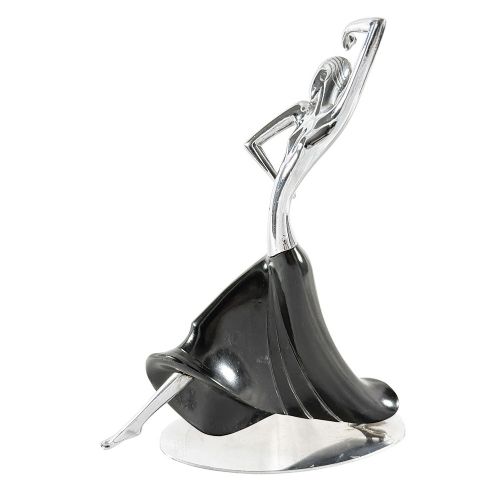
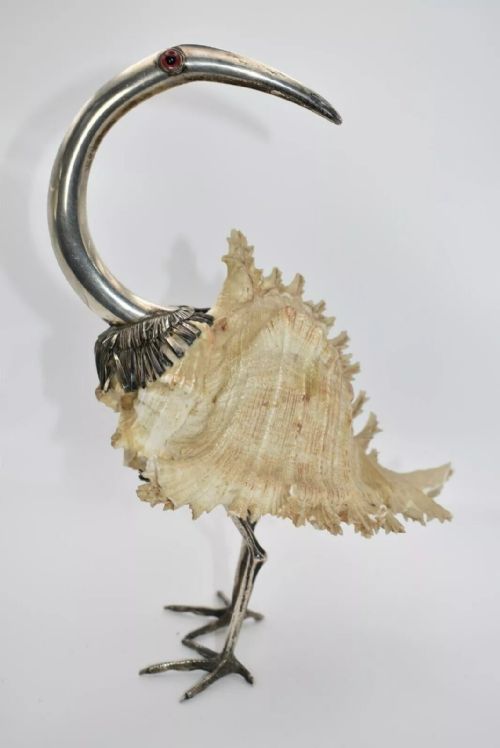
When you search for vintage silver plated figures, you encounter a diverse selection of sculptural objects, table ornaments, lamps, and decorative tableware spanning several stylistic periods. The pieces appearing here range from late 19th-century Victorian works through to 1960s Italian avian sculptures and dynamic 1930s Art Deco dancer motifs.
The most common examples on this page lean heavily into the Art Deco aesthetic, often depicting human figures, animals such as horses and pheasants, or incorporating functional elements like candlesticks and lamps. Alongside pure silver plate, makers occasionally utilised brass, sterling silver, silver-gilt, alabaster, glass, and wood to create these varied decorative items.
Materials and construction
The primary construction of these figures relies on base metals like brass or plated alloys finished with a layer of silver or silver-gilt. Manufacturers combined these metal techniques with contrasting materials, mounting sculptures on wooden pedestals or pairing silver plate with carved alabaster and sea shells.
Makers also integrated painted metal accents, glass components, and velvet details to enhance the visual depth of the sculptures and figural table lamps. These mixed-media approaches allowed workshops to produce both solid decorative ornaments and complex functional lighting.
Vintage Silver Plated Figures Retail Price Guide 2026
Typical asking prices for vintage silver plated figures among the pieces listed under this phrase on Sellingantiques today, from the lower quarter to the upper quarter. They describe what is for sale here now, not the wider market.
One notable piece captures a 1923 derby winner in metal, immortalising a specific afternoon at the races.
Assessing quality and craftsmanship
Quality in these figures depends heavily on the crispness of the casting and the fidelity of the stylistic execution, particularly within Art Deco and Jugendstil designs. Superior examples demonstrate careful attention to anatomical proportion and facial expression, whether representing human dancers, racehorses, or birds.
The integration of secondary materials also dictates the calibre of a piece, separating standard production items from ambitious sculptural lamps and mixed-media works. Heavier gauge metalwork and harmonious combinations of silver plate with alabaster, wood, or shell indicate higher standards of period manufacture.
Deakin and Francis·WMF·Hagenauer·Gabriella Binazzi
The Vintage Silver Plated Figures Glossary
- Silver Plate
- A base metal object coated with a thin layer of silver through electroplating or older methods. This technique allowed manufacturers to create substantial decorative figures at a more accessible cost than solid silver.
- Art Deco
- A design style prevalent in the 1920s and 1930s characterised by sleek geometric lines, stylised human forms, and modern industrial influences. Figures from this period often depict dancers or stylised animals.
- Silver-Gilt
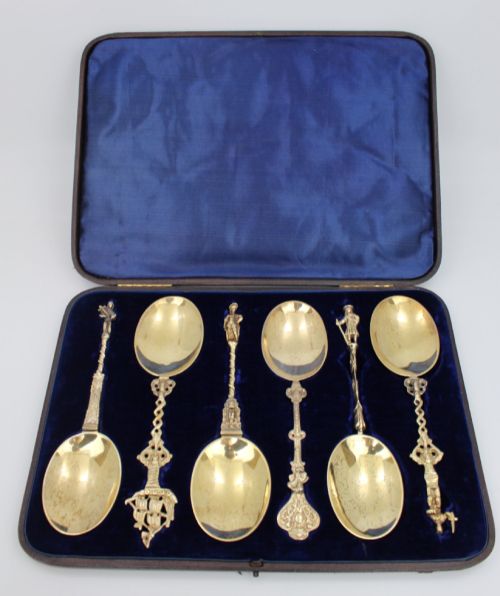
- Silver that has been coated with a thin layer of gold, commonly known as vermeil. This treatment gives the metal a warm, rich tone frequently found on decorative spoons and ceremonial tableware.
- Alabaster
- A fine-grained, translucent stone used for carving decorative bases, lamp bodies, and sculptural elements. It was often paired with silver-plated figures during the early 20th century.
- Jugendstil
- The German and Central European variant of Art Nouveau, active around the turn of the 20th century. This style favours flowing, organic lines inspired by natural forms.
Vintage Silver Plated Figures: Frequently Asked Questions
What periods do these figures cover?
The pieces span several decades, beginning with late 19th-century Victorian items and moving through the Edwardian George V era. You will also find strong representation from the 1920s and 1930s Art Deco period, alongside mid-century Italian works.
This broad chronological spread means designs range from ornate traditional lamps and apostle spoons to stylised modernist bird sculptures and dancing figures.
How were figural lamps constructed?
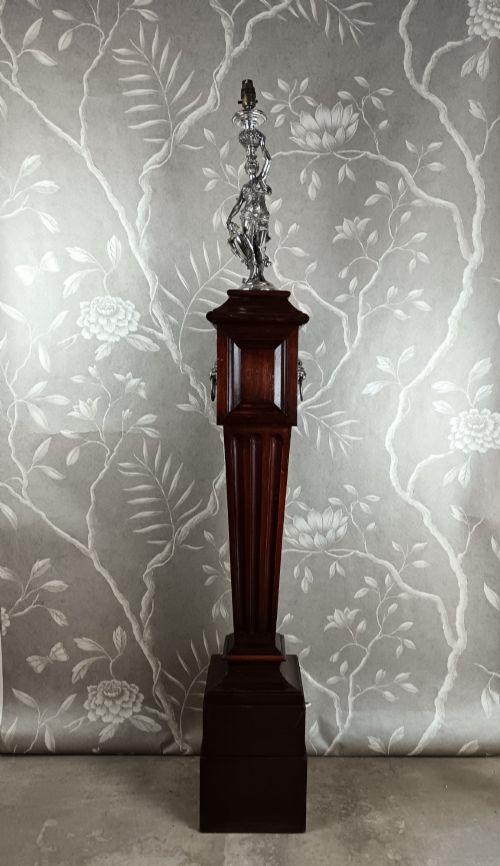
Makers integrated sculptural metal figures into functional lighting by mounting them onto pedestals alongside torchere columns or alabaster lamp bodies. These pieces combined illumination with decorative art, often wiring the figures to hold light fittings or glass shades.
Materials such as brass, silver plate, and painted metal formed the structural body, occasionally supported by wooden bases.
What kind of subjects do the sculptures depict?
The subjects vary widely from human figures, such as dancers and classical women, to animals including horses, jockeys, and pheasants. Many pieces serve a dual purpose as table ornaments, candlesticks, or pedestal torchere floor lamps.
Natural motifs and avian forms also appear, particularly in mid-century Italian works that incorporate organic materials like sea shells.