





Vintage Silver Haberdashery
Vintage silver haberdashery brings together sewing tools, pin cushions and display pieces fashioned from sterling silver, aluminium and leather.
Vintage Silver Haberdashery
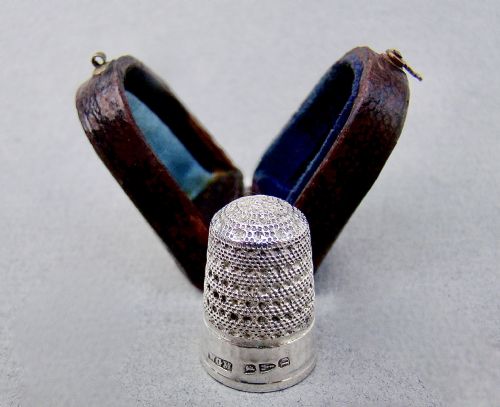
Vintage silver haberdashery encompasses sewing accessories, cotton holders and pin cushions produced across various periods including the Edwardian era, the 1920s and the 1930s. Buyers searching for vintage silver haberdashery will find smaller novelty pin cushions shaped as animals and figures alongside utilitarian display counters and hat blocks.
Materials and construction
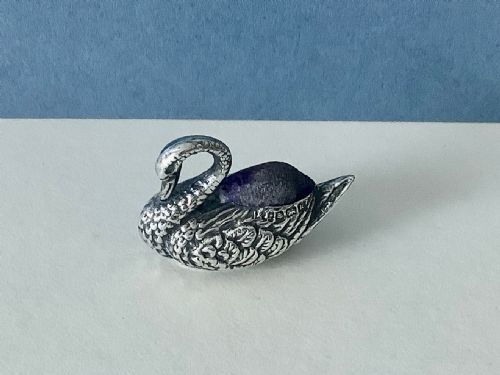
Sterling silver items rely on traditional silversmithing techniques, often incorporating pierced floral scrollwork, velvet inserts and detailed casting. Novelty pin cushions utilise moulded silver bodies paired with fabric pads to secure pins.
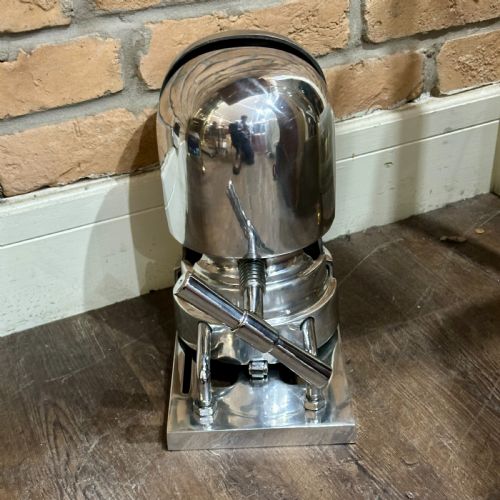
Industrial items employ cast aluminium and leather, shaping metal into millinery moulds and hat stretchers. These pieces combine robust metals with organic textiles like fabric and velvet to serve practical workshop and retail functions.
Listings feature sterling silver and aluminium, spanning the Edwardian period, the 1920s and the 1930s.
Assessing quality and craftsmanship
Quality in silver haberdashery rests upon the crispness of the casting and the finesse of any pierced scrollwork. Finer novelty pieces exhibit intricate detail in animal forms like stags, foxes and swans rather than flat or generalised modelling.
Durability and original condition distinguish utilitarian items such as display counters and hat blocks. Well preserved fabric linings and intact structural frames elevate pieces from standard workshop tools to desirable collectables.
Walter and George Myers·Artificer's Guild
The Vintage Silver Haberdashery Glossary
- Sterling silver
- An alloy consisting of ninety-two point five percent silver and seven point five percent other metals, typically copper. This standard composition is marked with hallmarks indicating its purity and origin.
- Pin cushion
- A small stuffed pad used for holding pins and needles safely during sewing. In this category, they frequently take whimsical novelty shapes formed in silver.
- Millinery mould
- A rigid form used in hat making for shaping and drying millinery. These are commonly found in cast aluminium.
- Scrollwork
- Ornamental carving or metalwork featuring spiral scroll motifs. It appears frequently on floral decorated cotton holders and silver stands.
Vintage Silver Haberdashery: Frequently Asked Questions
What types of silver haberdashery exist?
The category includes small sterling silver sewing accessories, novelty pin cushions shaped as animals, and cotton reel holders.
Larger items such as aluminium display counters, millinery moulds and hat stretchers also appear under this heading.
How were novelty pin cushions used?
Novelty pin cushions served a practical purpose on dressing tables and sewing desks by keeping pins close at hand during tailoring or dressmaking.
Craftsmen modelled them into charming figures like birds, mammals and human characters to add decorative appeal to domestic spaces.
How do I care for silver sewing tools?
Sterling silver requires gentle cleaning with a soft microfibre cloth to remove tarnish without abrading delicate surface details or pierced scrollwork.
Items containing fabric or velvet inserts should be kept away from excessive moisture to preserve the internal padding and lining.
Are aluminium items considered haberdashery?
Aluminium pieces in this selection primarily represent the industrial side of hat making and retail display, including millinery moulds and display counters.
They reflect the functional equipment used by milliners and shopkeepers alongside domestic sewing tools.