

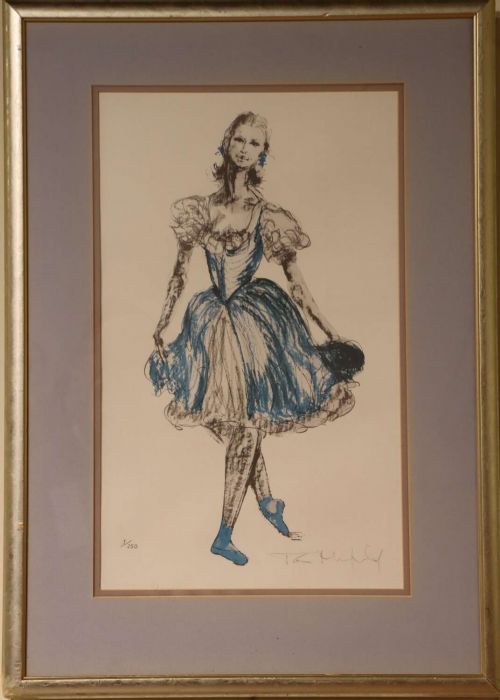
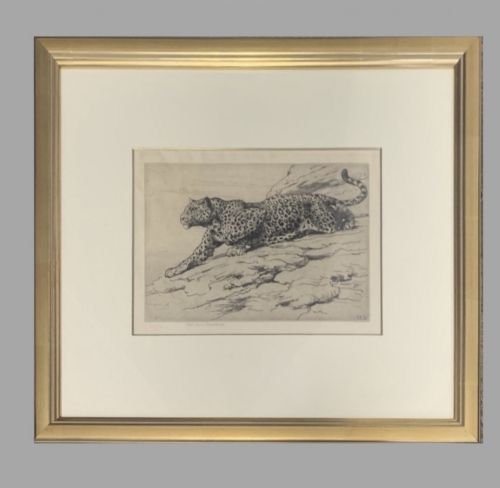
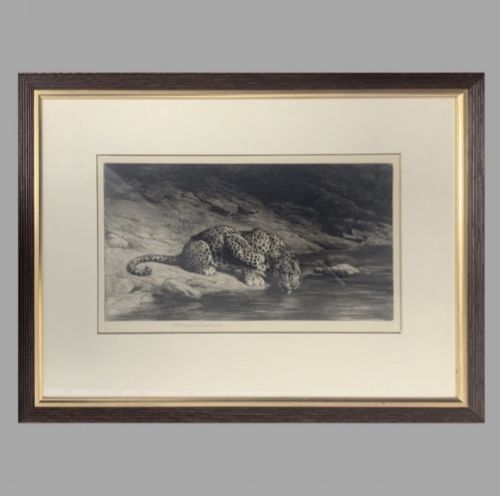
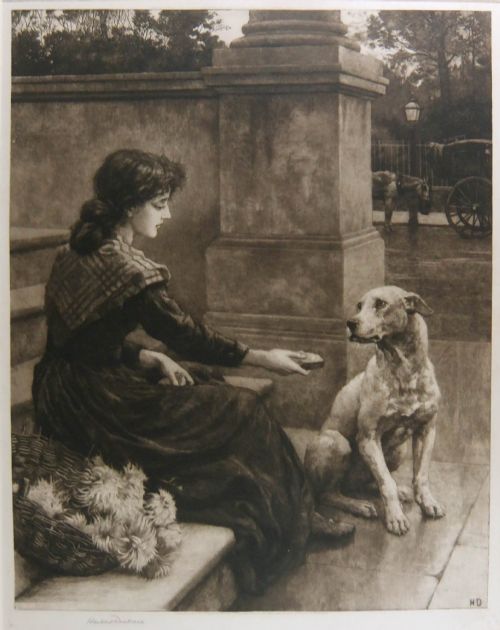
Vintage Signed Print
A vintage signed print offers the authentic hand of the artist, bringing original paper, ink, and watercolour into your home.
Vintage Signed Print
When you search for a vintage signed print, you encounter framed works spanning the nineteenth century through the mid-twentieth century. These pieces include etchings, lithographs, watercolours, and original drawings created by noted artists and makers.
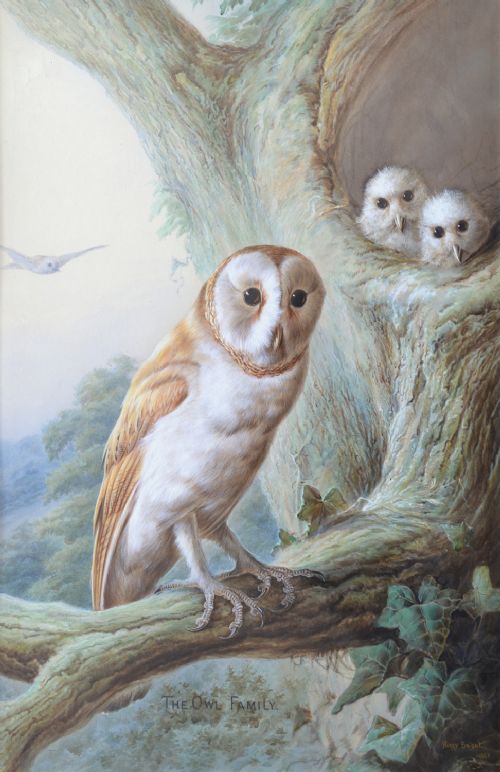
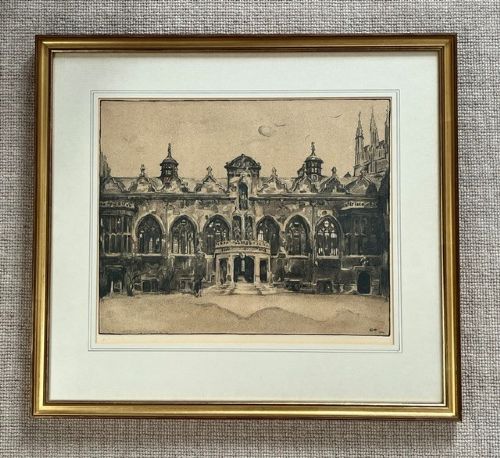
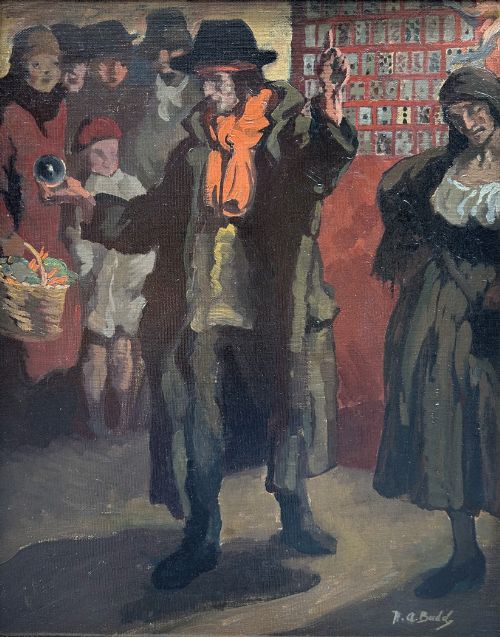
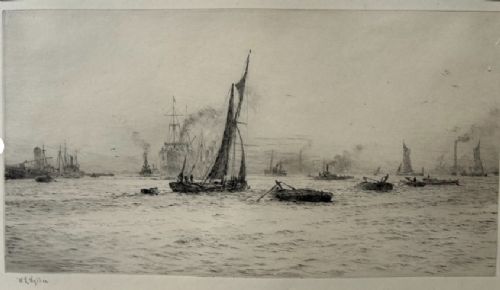
The selections on this page lean heavily toward early twentieth-century etchings and Edwardian watercolours, alongside mid-century prints and oil paintings. You will find subjects ranging from maritime scenes and animal portraits to architectural views and figure studies.
Materials and techniques
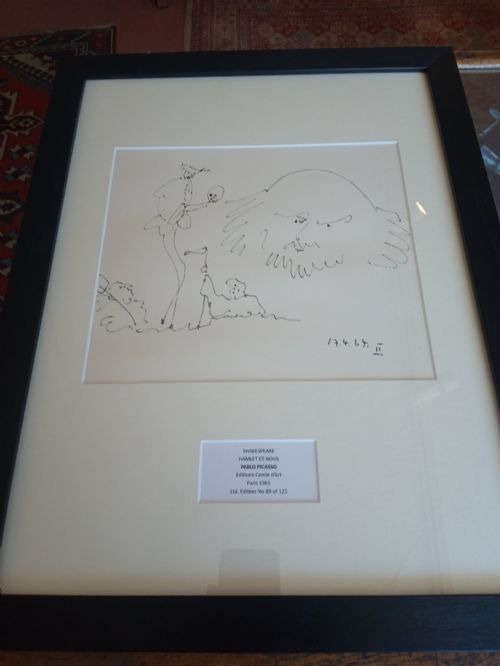
Makers utilised paper, vellum, and canvas as the primary surfaces for ink, watercolour, oil pastels, and pencil. Etchings and mezzotint engravings were pulled in limited editions, often marked directly by the hand of the artist.
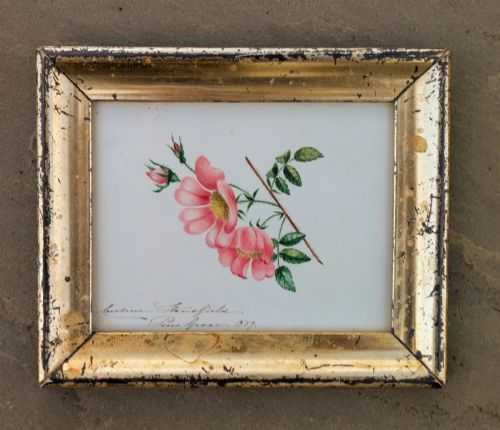
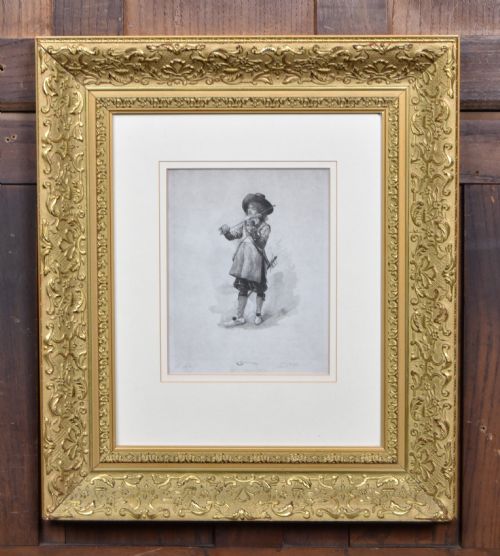
Framing materials reflect the period of creation, frequently incorporating wood, gilt wood, and glass to protect the delicate works on paper. Gold leaf accents sometimes highlight the original frames enclosing these artworks.
Vintage Signed Print Retail Price Guide 2026
Typical asking prices for vintage signed print among the pieces listed under this phrase on Sellingantiques today, from the lower quarter to the upper quarter. They describe what is for sale here now, not the wider market.
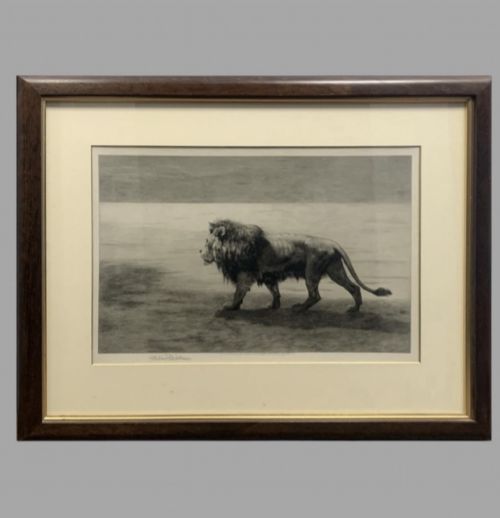
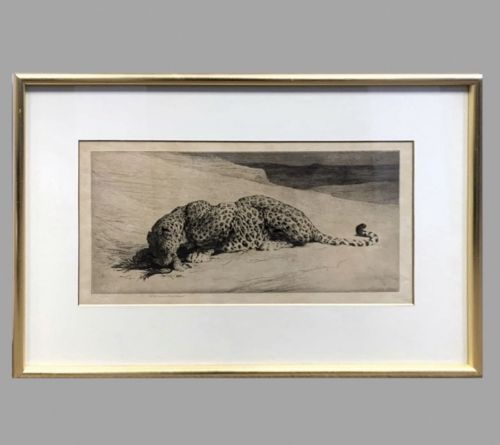
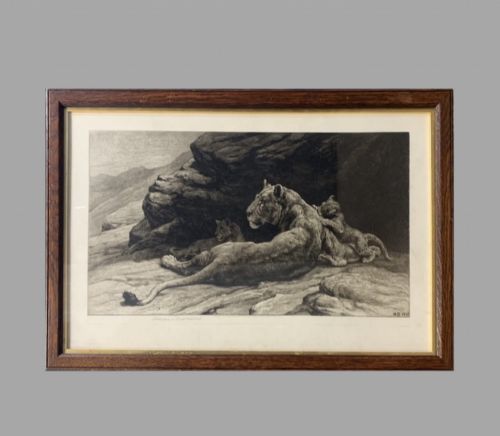
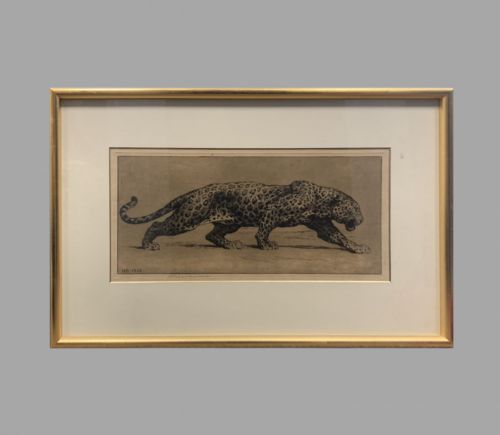
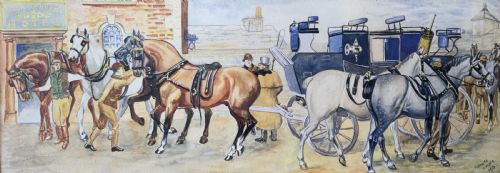
Cats, dogs, leopards, and horses share the page, proving that artists across the centuries loved an animal subject.
Separating the range
Quality rests upon the clarity of the impression and the strength of the artist's signature. Proofs pulled early in an edition display sharper detail and finer gradations of ink than later impressions.
The preservation of the paper or vellum surface and the integrity of the original period frame influence the standing of a piece. Works retaining their original mounts and supportive framing maintain greater historical coherence.
Sir William Nicholson·William Lionel Wyllie·Herbert Ashwin Budd·Herbert Dicksee·Dame Laura Knight·Sydney Wilson·Anne Goldthwaite·Thomas G Appleton·Sir Peter Blake·Florence Mabel Hollams
The Vintage Signed Print Glossary
- Etchings
- A printmaking process where lines are bitten into a metal plate with acid before ink is applied and pressed onto paper. This technique allows for fine, expressive detail.
- Mezzotint
- A printmaking method where the copper plate is roughened to produce rich dark tones and subtle tonal variations. It was frequently used for portraiture.
- Vellum
- A fine parchment made from calfskin, prized for its smooth surface and durability. Etchings pulled on vellum often display exceptional ink saturation.
- Artist proof
- An impression of a print pulled for the artist's review before the main edition is printed. These carry particular significance for collectors.
- Lithograph
- A planographic printing method based on the repulsion of oil and water. Artists draw directly onto a limestone slab or metal plate to create the image.
Vintage Signed Print: Frequently Asked Questions
What is an artist proof?
An artist proof is an early impression of a print kept by the creator for personal inspection before the official edition is run. These are typically marked by hand.
Collectors prize them for their crisp details and direct association with the printmaker's working process.
How do I care for antique paper?
Works on paper require protection from direct sunlight and excessive humidity to prevent fading and foxing. Acid-free backing materials help preserve the sheet over time.
Displaying pieces behind glass shields them from airborne dust and atmospheric pollutants.
Are these works original?
The listings feature original etchings, watercolours, drawings, and limited edition prints signed by the artists. Each piece reflects the hand techniques of its respective period.
Signatures in pencil or ink confirm the direct involvement of the maker in producing or approving the work.
How do I date an etching?
Dating relies on recorded artist working dates, stylistic clues within the subject matter, and the composition of the paper or vellum. Printed publication dates often appear within the plate marks or margins.
Framing styles and mounting techniques also provide helpful chronological markers.