



Vintage Shop Mirror
A vintage shop mirror brings the heavy plate glass and honest utility of nineteenth and early twentieth century commerce straight into a modern hallway.
Vintage Shop Mirror
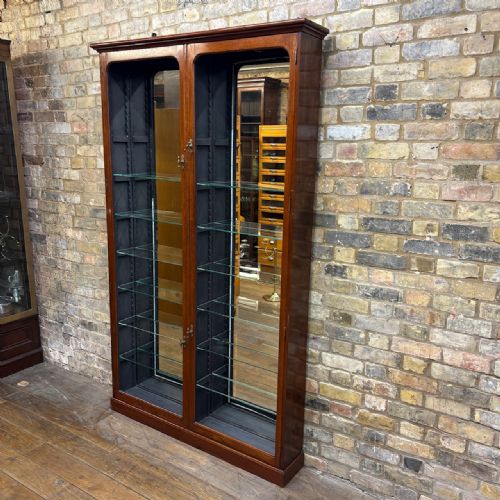
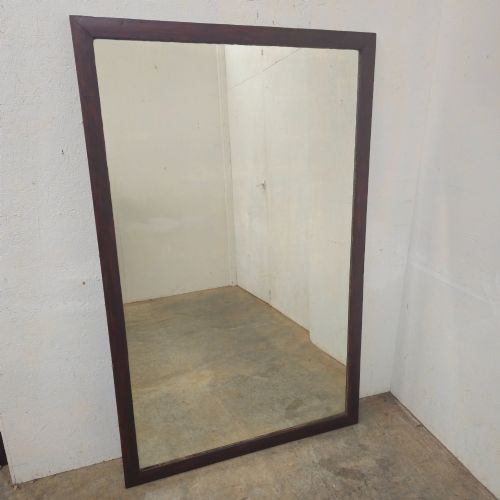
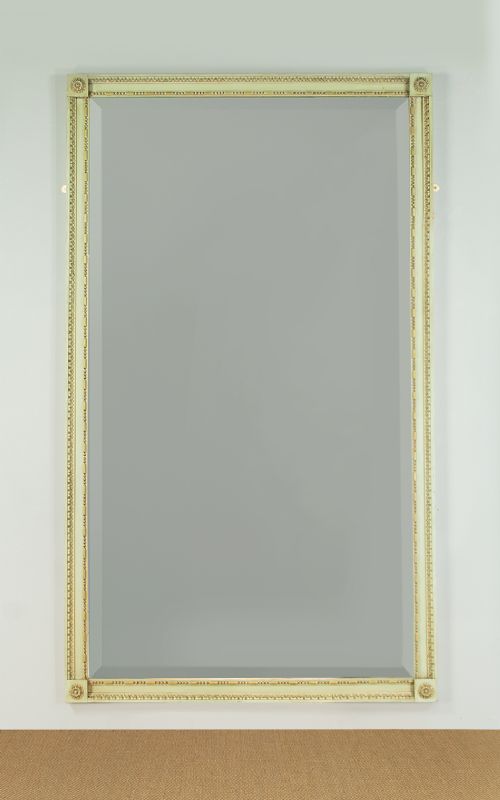
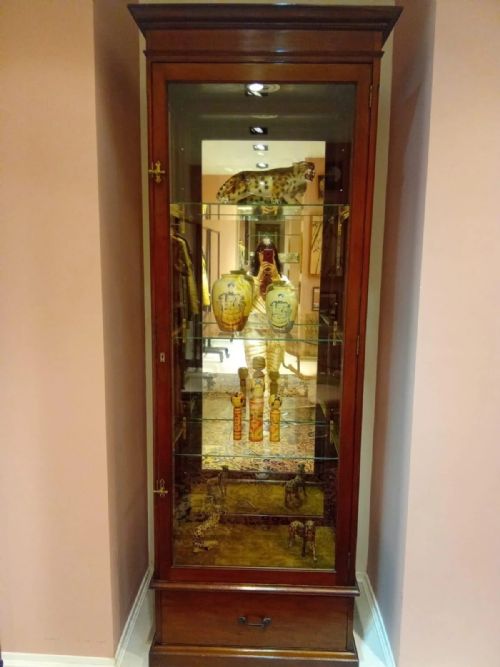
When you search for a vintage shop mirror, you are looking at utilitarian pieces built for trade rather than domestic display. The listings here include large wall-mounted mirrors from tailors and haberdashers, countertop display cabinets with mirrored interiors, and specialised advertising pieces.
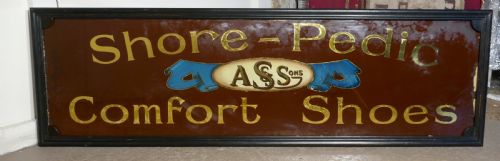
You are most likely to meet sturdy timber frames from the Victorian and Edwardian eras, alongside later Art Deco vending machine mirrors and shoe shop signs. These objects survived because commercial joinery had to withstand daily knocks from customers and staff.
Many of these mirrors served a dual purpose in the shop, combining glass with adjustable shelving or promotional lettering. Their origins lie in the practical demands of trade, which gives them a heavier build than domestic looking glasses of the same age.
How they were made
Makers built these pieces using robust timbers like mahogany, oak, and pine, often finishing them with paint or ebonised timber to withstand busy retail environments. The woodwork is straightforward and strong, prioritising durability over delicate carving.
The glass itself is heavy plate, frequently paired with brass hardware, hinges, and lettering for advertising signs. Cabinets incorporate mirrored interiors to bounce light around displayed goods, while triple dressing mirrors utilise sturdy hinges for multiple angles.
Vintage Shop Mirror Retail Price Guide 2026
Typical asking prices for vintage shop mirror among the pieces listed under this phrase on Sellingantiques today, from the lower quarter to the upper quarter. They describe what is for sale here now, not the wider market.
The listings span from the 19th century through the Edwardian period and into the 1930s, utilising oak, mahogany, and ebonised timber.
What varies in quality
Quality rests in the original commercial function and the integrity of the surviving materials. A piece designed for a high-end jeweller or tailor generally shows tighter joinery and finer timber selection than standard utility fittings.
The condition of the original silvering on the glass and the crispness of any painted advertising signage set superior examples apart. Original brass fittings and untouched ebonised finishes also elevate a piece above later replacements.
The Vintage Shop Mirror Glossary
- Ebonised timber
- Wood stained or painted to resemble ebony. This finish was common on nineteenth-century shop fittings to project a smart, uniform appearance.
- Haberdashery
- A retail trade dealing in small items of clothing and sewing. Cabinets and mirrors from these shops often feature specialised glass and compact shelving.
- Plate glass
- Heavy, flat glass cast and polished for clarity. It provides the undistorted reflection required in commercial dressing and tailors' mirrors.
- Plateau
- A mirrored tray or base used historically for display. Jewellers used them to reflect light onto watches and small items.
Vintage Shop Mirror: Frequently Asked Questions
Where did vintage shop mirrors come from?
These mirrors originated in nineteenth and early twentieth-century retail spaces like tailors, shoe shops, and haberdashers. Merchants needed durable glass and reflective surfaces to help customers view garments and goods.
Over time, as shops closed or modernized, these robust commercial fixtures entered the antique market. Their heavy construction ensured they survived decades of daily public use.
How do I clean antique mirror glass?
Clean the glass gently using a soft cloth and a mild, ammonia-free glass cleaner sprayed onto the cloth rather than directly onto the mirror. This prevents moisture from seeping behind the silvering.
Avoid scrubbing areas where the backing has degraded or foxing has occurred. Preserving the original patina is essential for maintaining the historical character of the piece.
Are shop mirrors suitable for bathrooms?
Most vintage shop mirrors feature wooden frames and traditional backing that are vulnerable to high humidity and direct water contact. Placing them in a steamy bathroom can damage the original timber and accelerate silvering decay.
They perform best in dry spaces like hallways, living rooms, or bedrooms where their size and industrial frame style can anchor a room.