

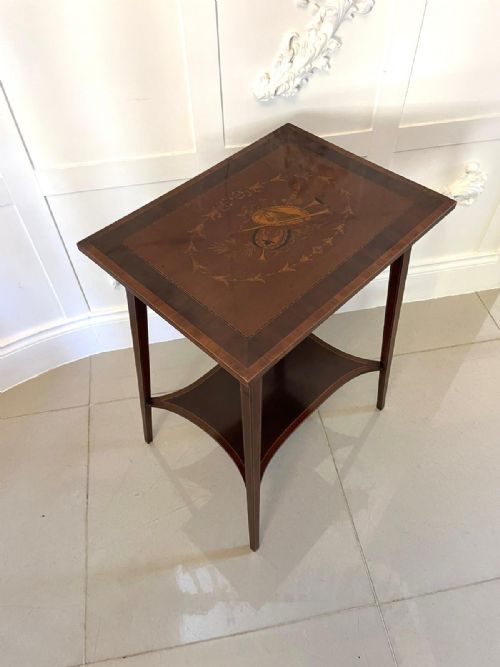


Vintage Shelf Ends
Vintage shelf ends bring architectural order to a room, offering sturdy support for your volumes through solid brass, bronze, marble, and oak.
Vintage Shelf Ends
When you search for vintage shelf ends, you encounter items designed to keep upright rows of books on shelves, sideboards, or desks. These functional objects range from the early twentieth century through the Art Deco era.
You are most likely to meet pairs cast in metal, brass, bronze, spelter, and alabaster, alongside carved wood forms. They appear in French and English designs from the 1920s and 1930s.
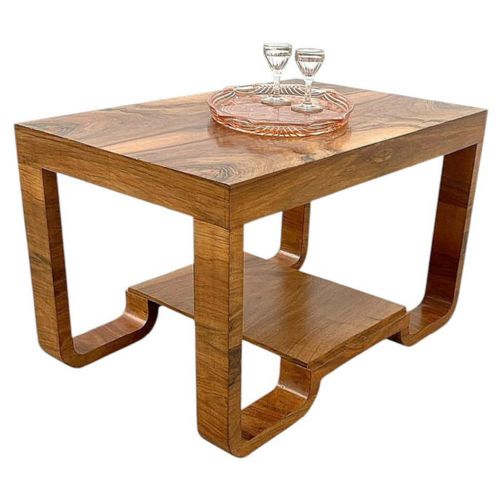
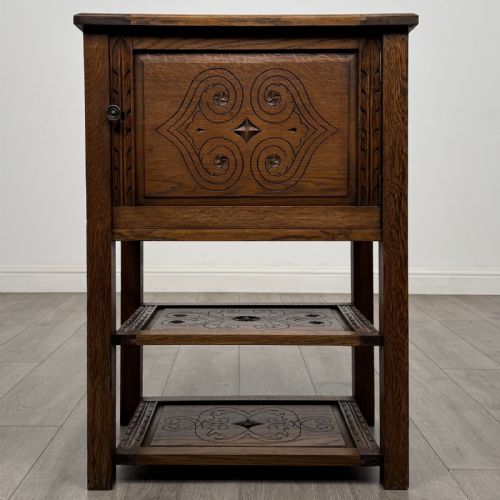
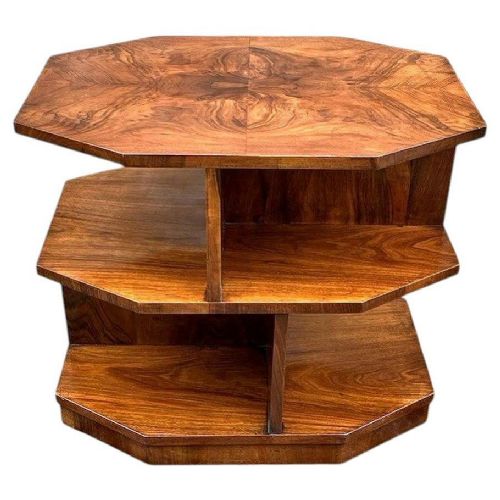
The selection also includes associated forms that organise reading material, such as revolving bookcases and sectional book tables. These pieces combine utility with the decorative styles of the period.
How they were made
Makers utilised casting techniques for metal pieces, pouring bronze, spelter, and brass into moulds to create figurative or architectural subjects. Alabaster was carved and polished to display natural veining and smooth geometric lines.
Wooden examples in oak and mahogany involved traditional joinery, turning, and sometimes fretwork or inlay work. These methods ensured the heavy bases remained stable enough to hold a line of books upright.
Vintage Shelf Ends Retail Price Guide 2026
Typical asking prices for vintage shelf ends among the pieces listed under this phrase on Sellingantiques today, from the lower quarter to the upper quarter. They describe what is for sale here now, not the wider market.
Styles recorded in the inventory include Art Deco, Jacobean Revival, Edwardian, Arts and Crafts, French Classic, and Maritime.
What varies in quality
The standard of materials and casting definition determines the distinction between ordinary and superior pieces. Finer metal castings retain crisp details in figurative subjects, while lesser examples show softer contours.
In wooden varieties, the choice of figured walnut veneer, inlaid mahogany, or solid carved oak dictates the visual weight. The integrity of the weighted base and the precision of the joinery complete the construction standard.
The Vintage Shelf Ends Glossary
- Spelter
- A zinc alloy commonly utilised as a substitute for bronze in decorative figures. It accepted patination well and was widely used for Art Deco ornamental objects.
- Alabaster
- A fine-grained, translucent stone often carved into smooth geometric or figurative blocks. Its natural banding gives each piece a distinct pattern.
- Inlay
- A decorative technique where contrasting woods or materials are set flush into the surface of a primary timber. Edwardian pieces frequently employed this method.
- Fretwork
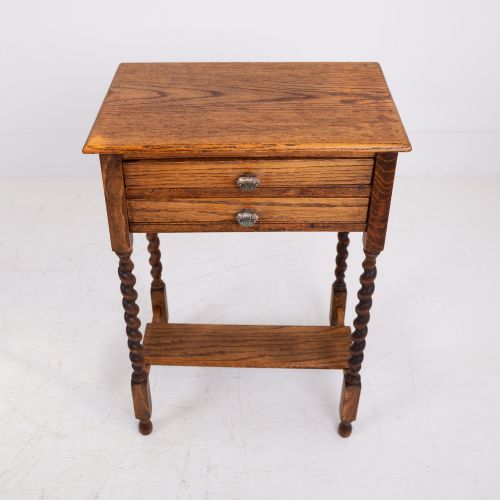
- Openwork ornamentation cut with a fretsaw to create decorative patterns in wood. It appears on lighter occasional pieces and side tables.
- Occasional table
- A small, movable table designed for specific, intermittent uses within a room. They supplement primary furniture and often feature tiers or storage compartments.
Vintage Shelf Ends: Frequently Asked Questions
What materials were used for vintage shelf ends?
Makers employed a variety of durable materials including solid oak, mahogany, brass, bronze, spelter, and alabaster.
Heavier stones and metals provided the necessary weight to keep books stable on open shelving.
How do I date these book supports?
Dating relies on stylistic clues, such as the geometric lines of Art Deco pieces from the 1930s or the fretwork and inlay characteristic of Edwardian work.
Materials and manufacturing techniques also correspond to specific decades in the early twentieth century.
Where should I place them?
These pieces function effectively on bookshelves, mantelshelves, sideboards, or heavy desks where book collections rest.
Their substantial weight ensures they hold rows of volumes securely in place.
Are pairs always matching?
The majority of pieces survive as original pairs designed to anchor both ends of a book collection.
Matching forms ensure visual balance on a shelf or display surface.