



Vintage Sculpture
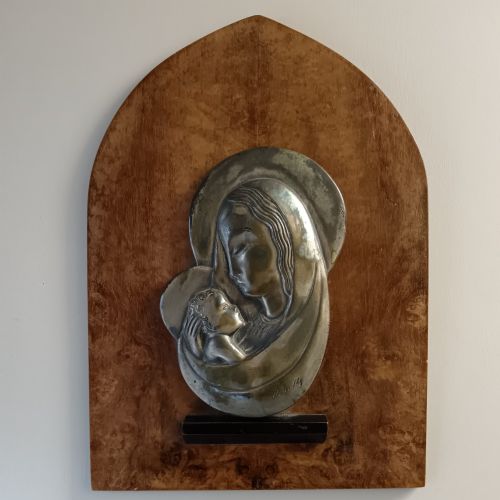
When you handle vintage sculpture, you hold the ambition of makers working in bronze, marble and leather across the nineteenth and twentieth centuries.
Vintage Sculpture
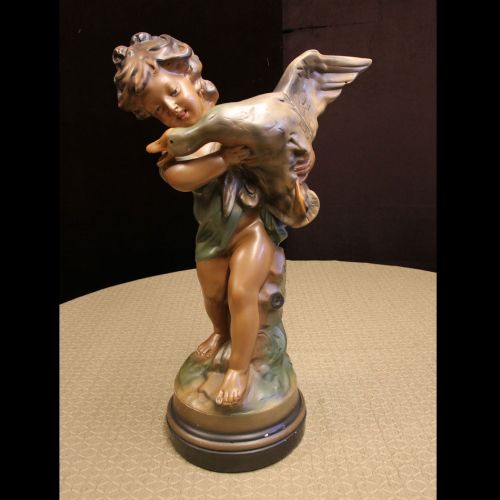
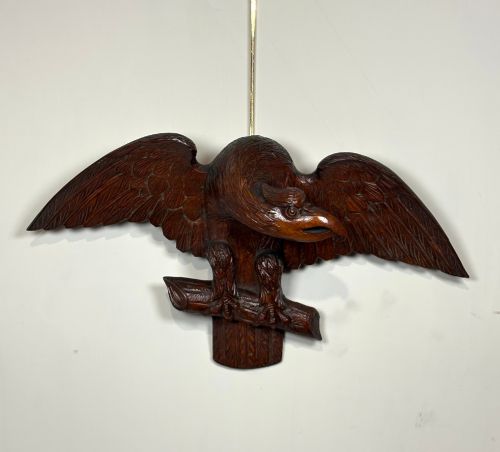
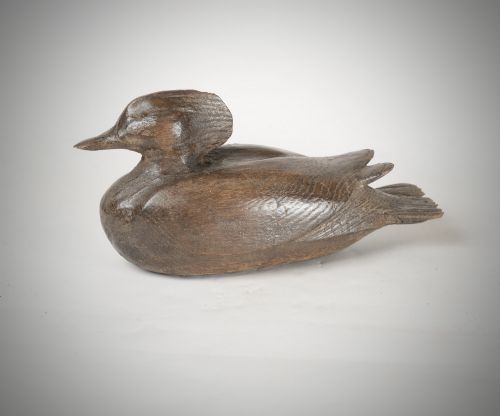
Vintage sculpture brings together figures, busts and decorative objects from diverse global traditions, spanning periods from the eighteenth century to the mid twentieth century. Buyers encounter everything from grand tour alabaster models and classical revival busts to playful folk art duck decoys and leather animal footstools.
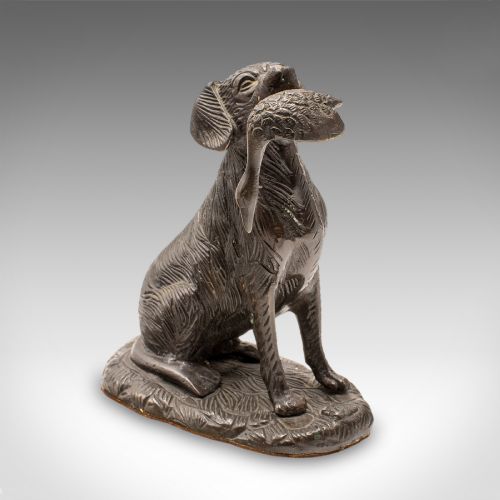
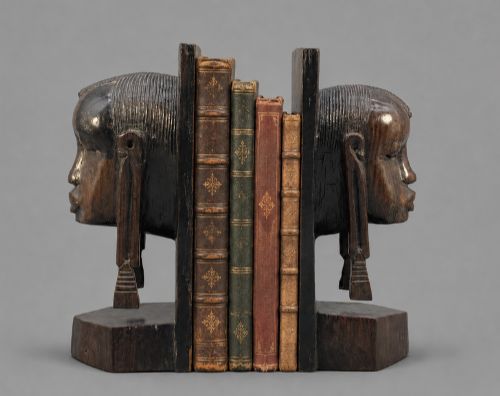
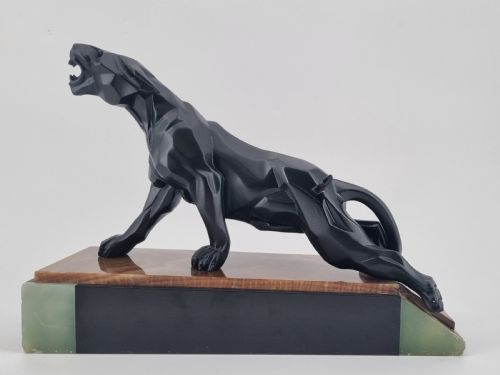
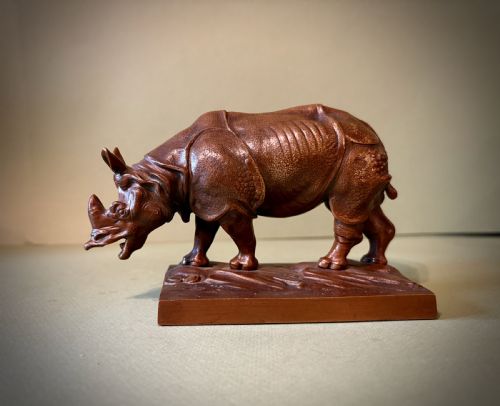
The selection ranges widely across materials and forms, including heavy bronze animalier groups, carved wooden bears, terracotta tent pole tops and composite stone garden ornaments. Art Deco dancers and greyhounds sit alongside Victorian alabaster maidens and Chinese pottery Buddhist lions.
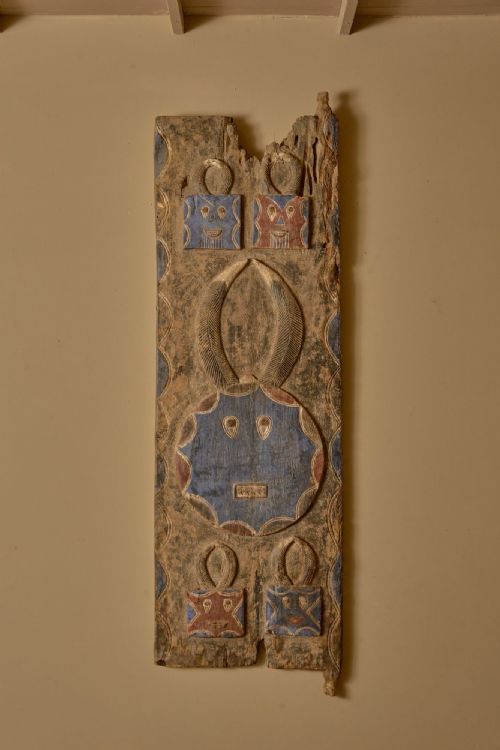
Pieces emerge from various European, Asian and British workshops, reflecting both high artistic movements and regional craftsmanship. Domestic decorative items share space with monumental architectural fragments and gallery-ready bronzes.
Materials and construction methods
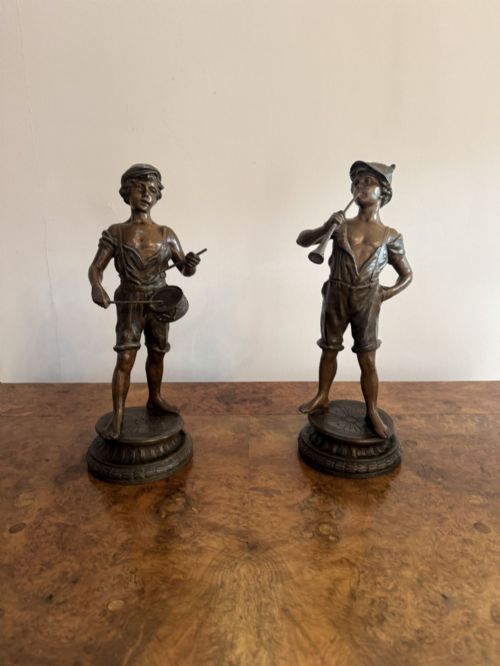
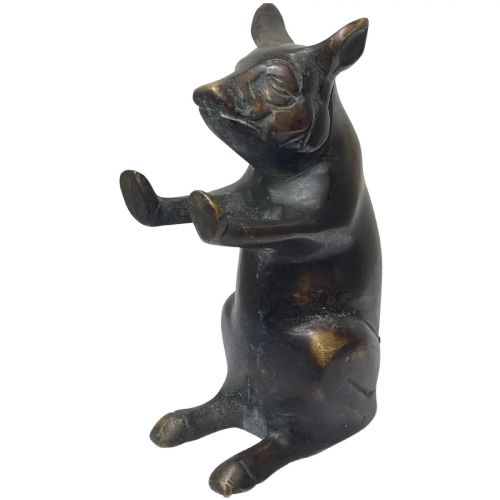
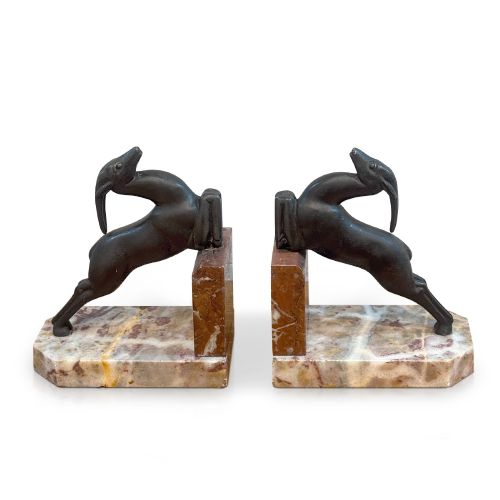
Foundry methods dominate the metallic pieces, utilising lost-wax casting for bronze and spelter figures mounted on marble or onyx bases. Artisans chased and patinated the metal surfaces to highlight musculature and drapery.
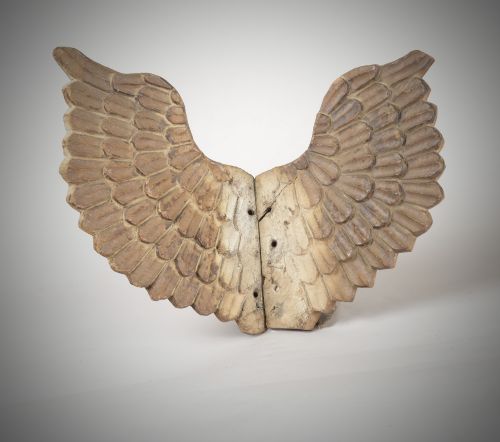
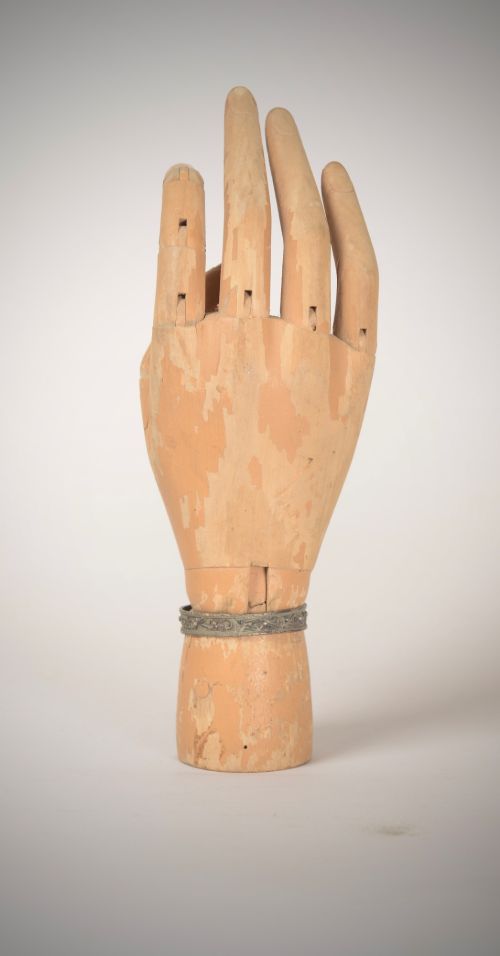
Carving traditions rely on direct hand work in alabaster, marble, pine, cedar and hard stone, leaving distinct chisel and rasp marks across the material. Leather forms depend on internal wooden or metal armatures covered in stitched hide.
Terracotta and pottery pieces involve moulded or hand-formed clay fired in kilns and finished with surface paints or glazes. Stone and composite elements are carved or cast to withstand exterior placement.
Vintage Sculpture Retail Price Guide 2026
Typical asking prices for vintage sculpture among the pieces listed under this phrase on Sellingantiques today, from the lower quarter to the upper quarter. They describe what is for sale here now, not the wider market.
Materials in these listings range from carved wood and alabaster to bronze, marble and leather.
Factors of quality and execution
Proportion and balance dictate the success of figurative pieces, where anatomical accuracy or stylised harmony determines visual impact. Heavier, denser materials and substantial marble plinths provide structural stability and indicate thoughtful design.
Original surface patination and finish preservation maintain the integrity of the piece. Altered paint, heavy cleaning or replaced bases diminish the historical honesty of an object.
Eugen Bormel·Liberty of London·Georges Gori·Gustave Dussart·Lavroff·D. H. Chiparus·Hagenauer·Maurice Giraud-Rivière·Bruno Zach
The Vintage Sculpture Glossary
- Spelter
- A zinc alloy frequently used as a cheaper substitute for bronze in nineteenth and twentieth century figures. It takes paint and patination well but lacks the weight and tensile strength of true bronze.
- Grand Tour
- A cultural journey undertaken by wealthy young Europeans in the eighteenth and nineteenth centuries, generating demand for miniature architectural models in alabaster and marble. These souvenirs form a distinct category of decorative sculpture.
- Animalier
- A nineteenth century artistic movement focused on the realistic depiction of animals, particularly predators and hounds in motion. Sculptors in this genre captured muscle tension and natural behaviour with acute observation.
- Patina
- The surface sheen, colour change or oxidation that develops on bronze, wood or leather over years of exposure and handling. Collectors value an undisturbed surface as evidence of age and care.
- Decoy
- A carved and painted wooden form traditionally used by hunters to attract waterfowl. Examples span folk art traditions and display simplified anatomical carving designed for utility.
Vintage Sculpture: Frequently Asked Questions
How do I clean vintage bronze?
Dust surfaces gently with a soft, dry cloth to prevent the accumulation of grit in recessed details. Avoid harsh chemical cleaners or abrasive pads that strip the original patination from the metal.
Apply a very thin coat of microcrystalline wax if the metal requires protection against humidity. Buff the surface lightly after application to maintain a stable, satin finish without creating a glossy sheen.
Where should I place alabaster sculpture?
Keep alabaster figures away from direct sunlight and damp environments to prevent yellowing, fading and surface softening. Interior display on sturdy, level furniture protects these relatively soft stone pieces from accidental knocks.
Maintain a stable room temperature to avoid thermal shock that can stress delicate carved elements. Use a soft brush for routine dusting rather than water or liquid solvents.
What is an animalier sculpture?
Animalier sculpture focuses specifically on the realistic representation of animals, capturing creatures in dynamic poses or moments of repose. These works became popular during the nineteenth century across European foundries.
Artists studied anatomy intensely to render muscular tension in subjects like hounds, panthers and stags. Collectors prize these bronzes for their spirited observation and technical foundry skill.
Are leather footstools sturdy?
Leather figures designed as footstools or benches incorporate robust internal wooden or metal frameworks covered in heavy stitched hide. They were built for domestic utility as well as decorative presence in period interiors.
Condition varies depending on past usage, so check the firmness of the padding and the integrity of the leather seams. Treat the hide with appropriate leather conditioners periodically to keep the material supple.