








Vintage Scottish Seating
Vintage scottish seating brings robust vernacular character and regional craft straight into a room, offering enduring comfort and historic presence.
Vintage Scottish Seating
Vintage scottish seating encompasses a distinctive group of regional chairs, stools and fireside seats spanning from the eighteenth century through to the early decades of the twentieth century. These pieces reflect the robust traditions of Scottish cabinet-making, incorporating vernacular forms as well as revival styles like Chippendale and Queen Anne.
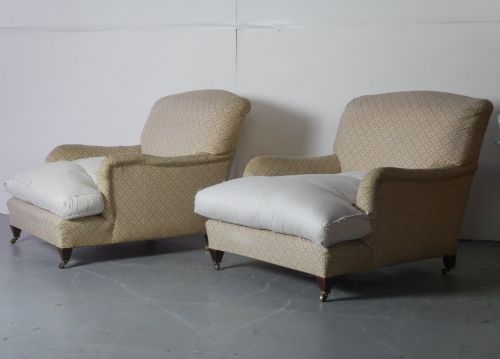
Buyers encountering this selection will most frequently find early twentieth-century examples, including sturdy oak and walnut frames, rush seats and upholstered armchairs. Traditional forms such as the gossip chair, the crofter chair and the Orkney chair appear alongside robust dining and fireside seating.
Construction and materials
Makers relied primarily on native timbers such as oak and walnut, shaping frames with traditional joinery that ensured long-term durability. Seat construction frequently utilised rush, woven upholstery fabric, leather, or detailed needlepoint.
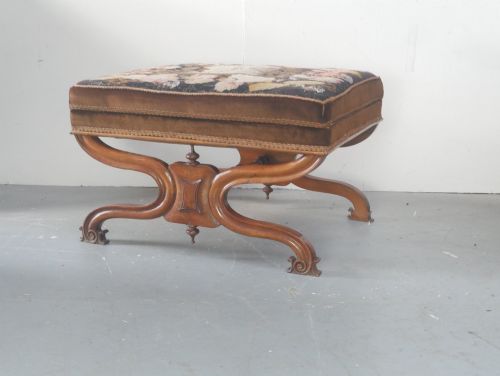
Surface finishes range from simple waxed oak to pokerwork decoration, while specialised designs incorporated traditional materials like straw work for regional forms.
Vintage Scottish Seating Retail Price Guide 2026
Typical asking prices for vintage scottish seating among the pieces listed under this phrase on Sellingantiques today, from the lower quarter to the upper quarter. They describe what is for sale here now, not the wider market.
One nineteenth-century pokerwork stool proudly bears the defiant Scottish motto 'Touch me wha daur'.
Assessing quality and character
Proportion and the preservation of original surface patination distinguish finer examples from standard production, revealing the distinct hand of regional makers and specialist workshops.
Whytock & Reid·Wheelers of Arncroach
The Vintage Scottish Seating Glossary
- Cockpen chair
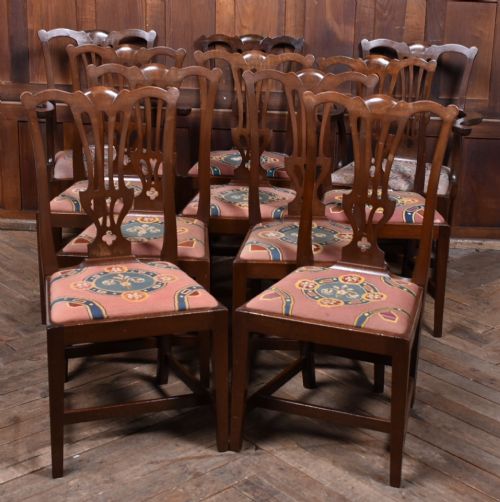
- A Chinese Chippendale style armchair with a square lattice back and straight legs. These desirable seats often feature drop-in upholstered pads.
- Gossip chair
- An asymmetric or low-backed seat designed for intimate conversation or telephone use. They typically date from the Edwardian era.
- Orkney chair
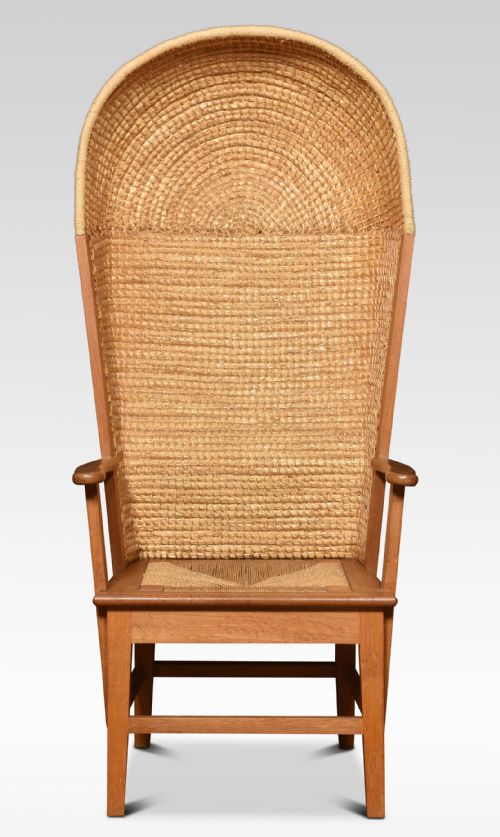
- A traditional regional armchair constructed with a low wooden frame and a high, woven oat-straw back. They originated in the northern Scottish isles to protect against drafts.
- Pokerwork
- The art of decorating wood by burning designs with a heated metal tool. This technique appears on Victorian Scottish stools and decorative items.
- Crofter chair
- A simple vernacular seat traditionally built from native timbers for domestic use. These sturdy chairs reflect rural Scottish craft traditions.
Vintage Scottish Seating: Frequently Asked Questions
How do I style a gossip chair?
A gossip chair works well in a hallway, bedroom, or as a compact occasional seat in a living room. Its low profile allows it to fit neatly into smaller spaces without dominating the layout.
Pair it with complementary antique oak or walnut furniture to highlight its period character.
What defines Scottish vernacular seating?
Scottish vernacular seating is defined by its robust construction, regional utility, and reliance on native timbers like oak. These pieces were built for practical domestic life rather than strict adherence to fashionable court styles.
Over time, they have gained recognition for their honest forms and regional character.
How do I date a wooden chair?
Dating a wooden chair involves examining the joinery, timber type, tool marks, and overall wear patterns. Eighteenth-century pieces often display hand-carved details and pegged joints, while Edwardian examples show early twentieth-century manufacturing techniques.
Comparing the form to documented regional styles helps confirm the period.