



Vintage Samovar
A vintage samovar brings undeniable presence to a room, offering both historical utility and striking metallic form for the table or sideboard.
Vintage Samovar
When you search for a vintage samovar, you encounter formal vessels designed for heating and dispensing water for tea or coffee across various historical periods.
The selections span from the eighteenth century through the Edwardian era, encompassing George III, Regency, and Victorian styles.
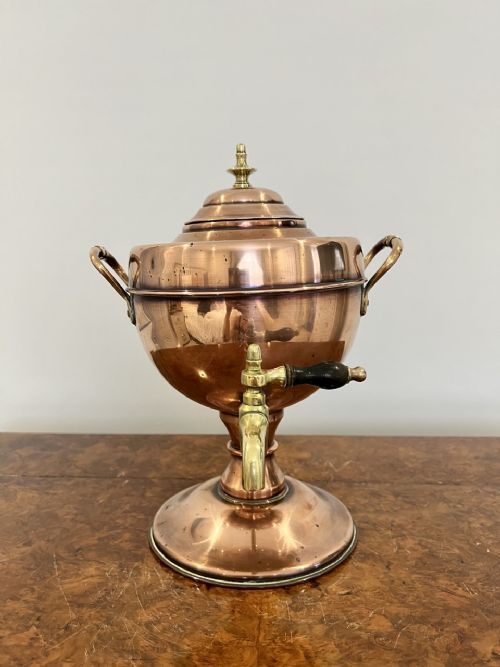
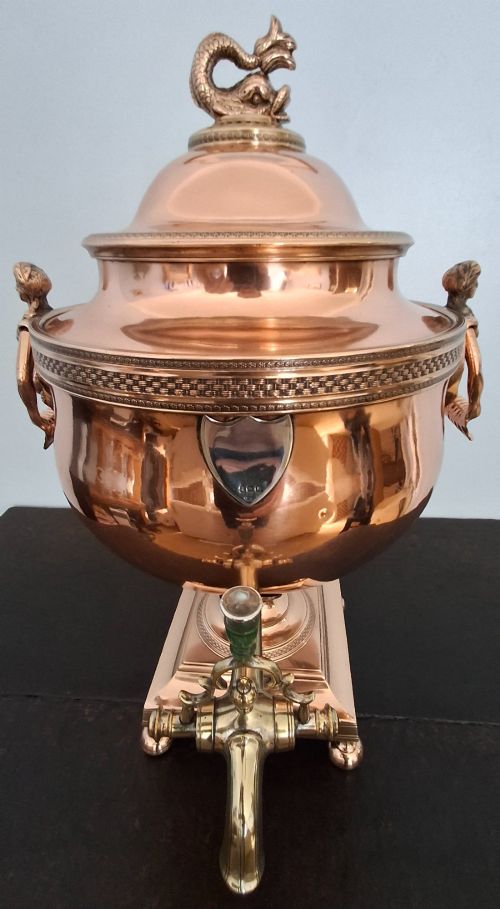
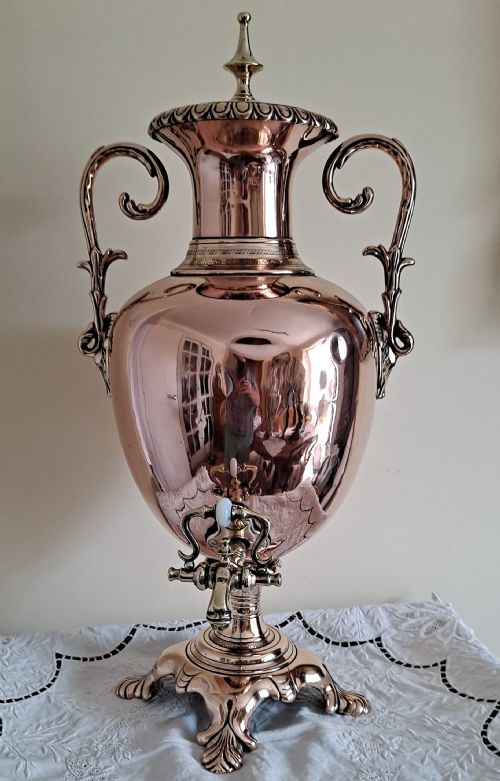
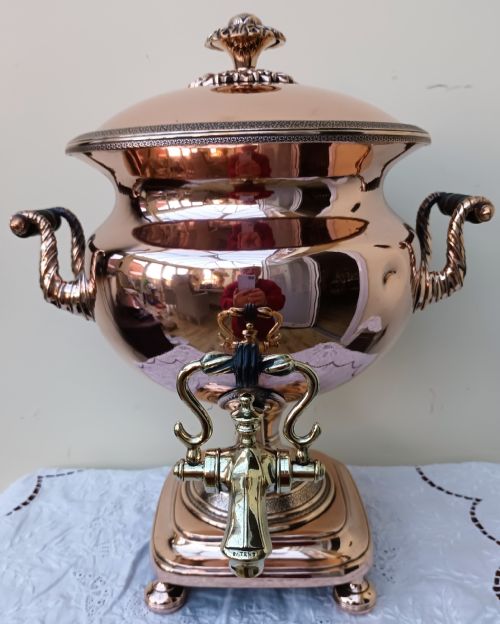
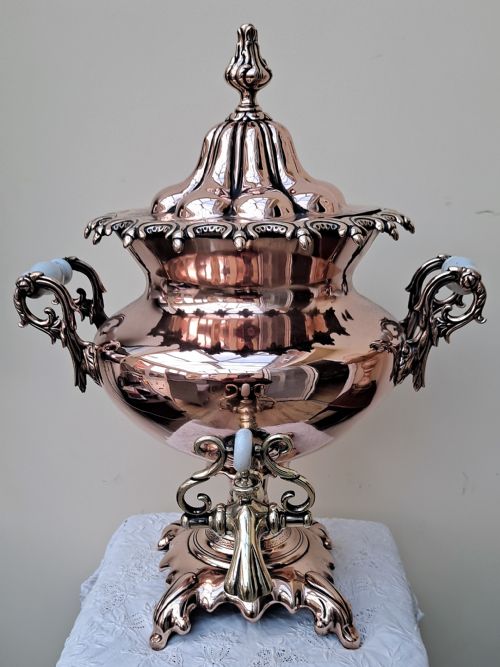
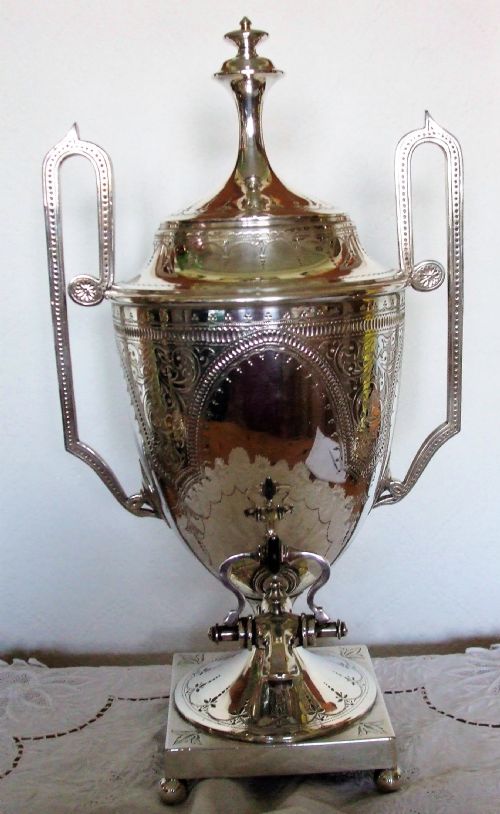
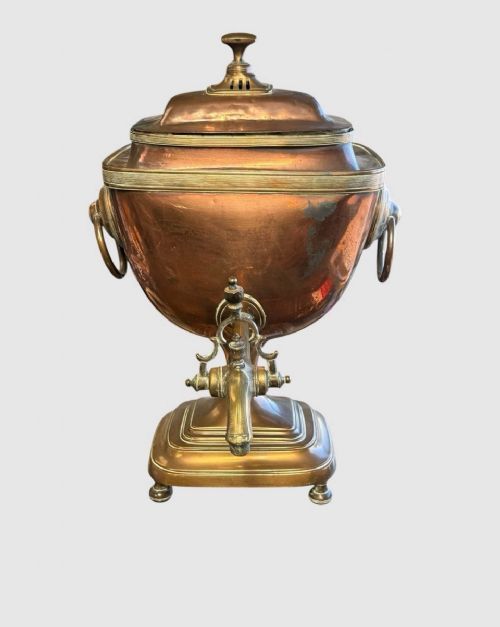
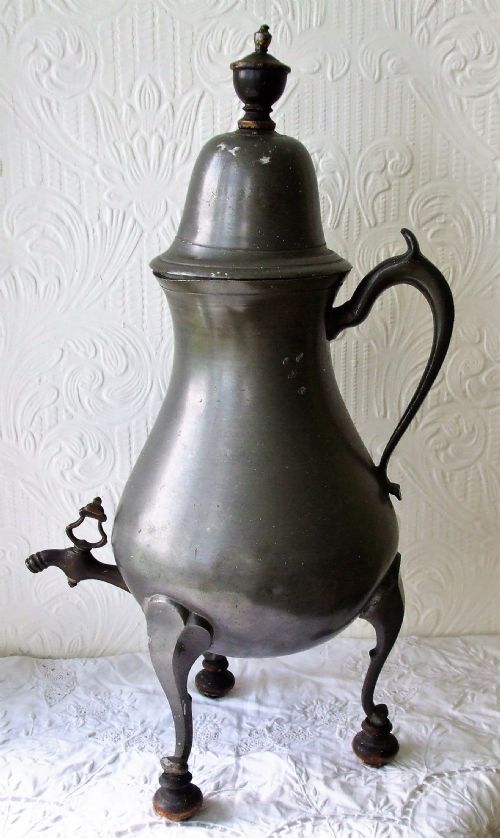
The most common examples on this page are copper and brass tea urns, often paired with spigots, alongside occasional silver-plated kettles on stands and pewter coffee urns.
How they were made
The primary metals utilised across these pieces are copper, brass, and silver plate, frequently accented with wood, bone, or ebonised wood handles and finials.
Makers shaped sheet copper and brass into bulbous or classical urn bodies, incorporating internal heating tubes and fitted taps for dispensing liquid.
Vintage Samovar Retail Price Guide 2026
Typical asking prices for vintage samovar among the pieces listed under this phrase on Sellingantiques today, from the lower quarter to the upper quarter. They describe what is for sale here now, not the wider market.
Listings feature items spanning the 18th century through the Edwardian period, executed in copper, brass, silver plate, and pewter.
What varies in quality
Quality rests in the weight of the metal, the crispness of applied cast brass mounts, and the integrity of the original spigots and handles.
Earlier George III and Regency examples display finer hand-beaten details and classical proportions, whereas later Victorian and Edwardian pieces lean toward heavier silver plating and decorative ornamentation.
Walker And Hall
The Vintage Samovar Glossary
- Samovar
- A heated metal container traditionally used to boil and heat water for tea. These vessels typically feature a central internal tube for charcoal or a heating element, though many survive primarily as decorative tea urns.
- Spirit Kettle
- A small kettle mounted on a metal stand above a spirit burner used to keep water hot at the tea table. They bridge the gap between large floor-standing urns and table teapots.
- Spigot
- A tap or spout fitted near the base of an urn to control the flow of water. Original spigots often match the primary metal of the body.
- Toleware
- Painted or enamelled tinware popular in the nineteenth century for decorative household objects. It offers a colourful alternative to plain brass and copper.
- Ebonised wood
- Timber treated to resemble ebony, providing dark, contrasting handles and knobs on metal vessels. This material is durable and common on nineteenth-century pieces.
Vintage Samovar: Frequently Asked Questions
What is a vintage samovar used for?
These vessels were originally manufactured to heat and dispense water for tea or coffee during formal gatherings. Today, collectors primarily display them as statement pieces of metalwork in dining rooms and living spaces.
While some retain their internal heating components and taps, most serve decorative roles or function as striking floral containers and centrepieces.
How do I date a samovar?
Dating relies upon stylistic markers such as the classical proportions of George III and Regency pieces versus the heavier ornamentation typical of the Victorian period. Examining the construction of the handles, feet, and spigots also provides clues to the era of manufacture.
Materials offer further guidance, as bright silver plating became more prevalent in later Edwardian examples, while early pieces favour heavy copper and brass.
Are copper and brass samovars difficult to maintain?
Maintenance depends entirely on the desired finish, as polished copper and brass require periodic cleaning with appropriate metal polishes to retain a bright sheen. Many owners prefer to let the metal develop a natural dark oxidation over time.
Silver-plated versions require gentler care using specialised silver cloths to avoid damaging the underlying plate.
What is the difference between a tea urn and a spirit kettle?
Tea urns are generally larger, stationary vessels with built-in spigots designed to hold substantial volumes of hot water on a sideboard or table. They date heavily from the Georgian and Victorian periods.
Spirit kettles are smaller vessels suspended in a metal stand above a small burner, intended for direct use at the tea table rather than mass service.