

Vintage Rustic Seat
A vintage rustic seat brings tactile warmth to a room through weathered timber and honest construction.
Vintage Rustic Seat
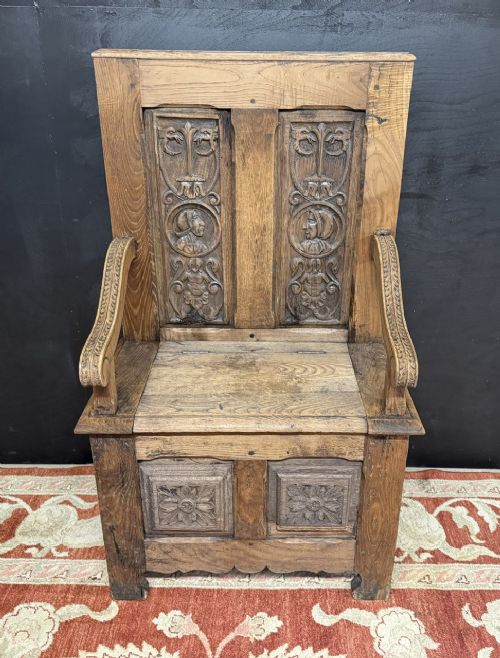
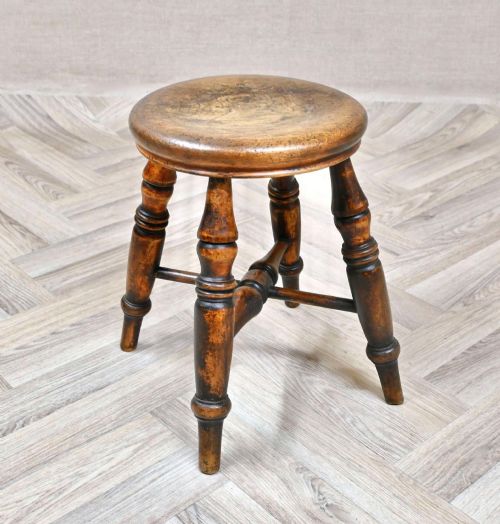
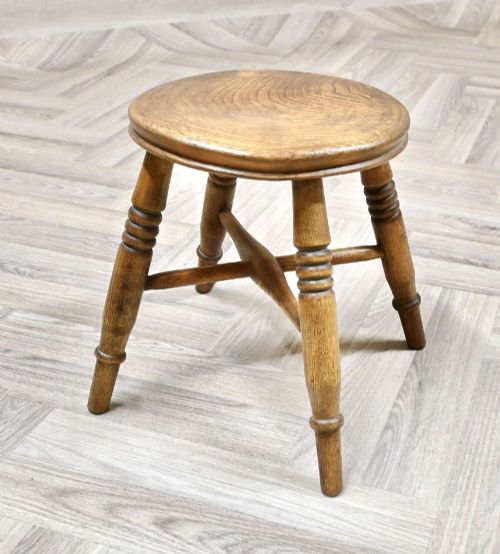
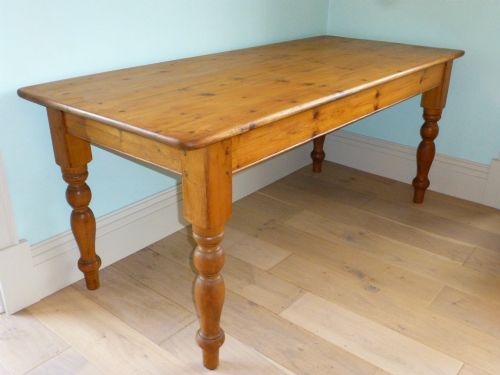
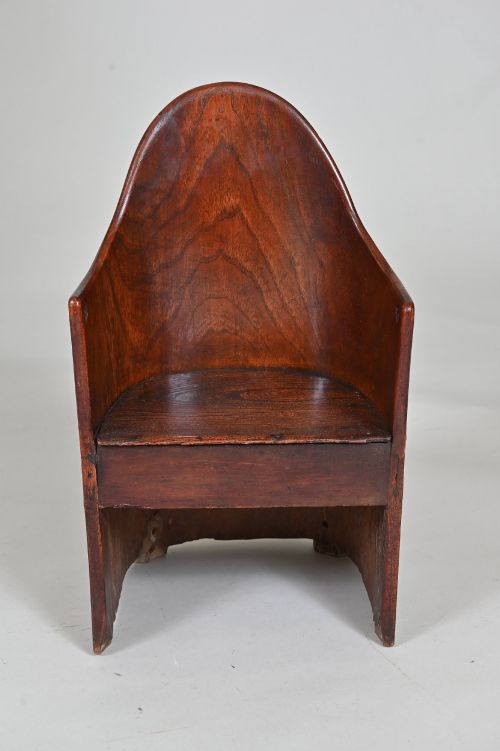
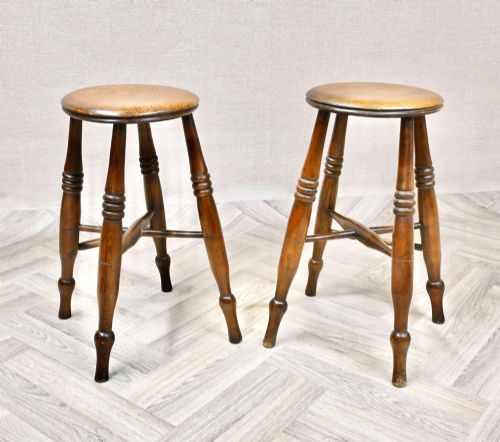
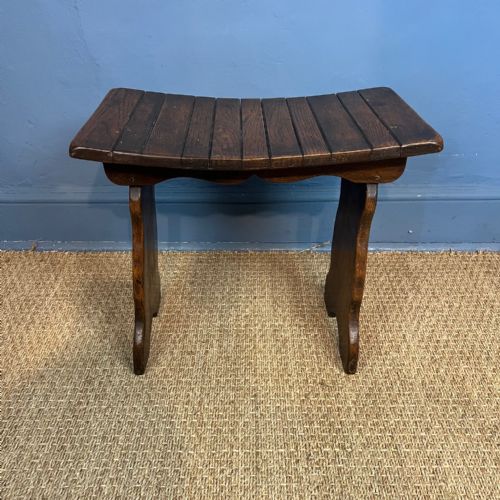
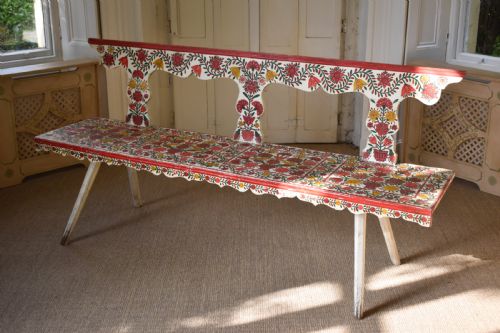
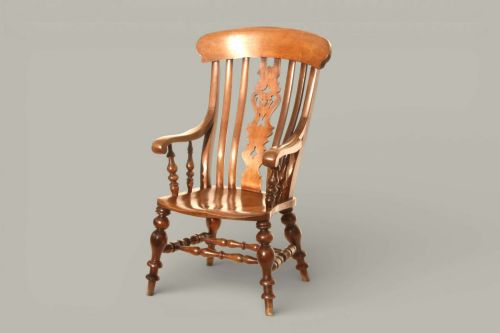
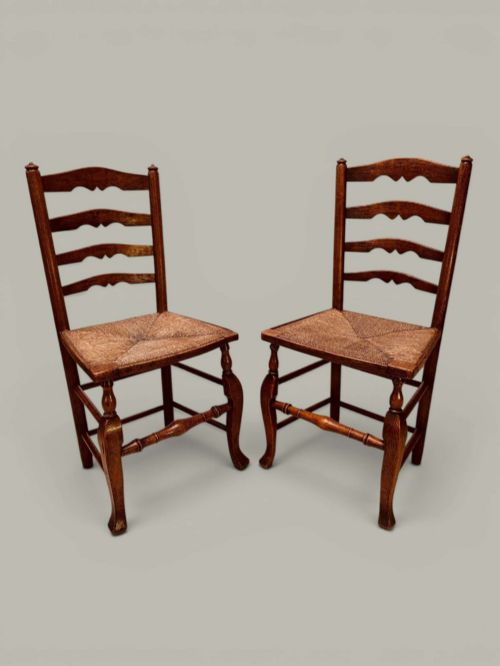
A vintage rustic seat encompasses utilitarian furniture designed for everyday domestic, agricultural or institutional use across the eighteenth, nineteenth and early twentieth centuries. These pieces include Windsor stools, kitchen chairs, settles, benches and chapel pews originating from English, French, Austrian and Bavarian traditions.
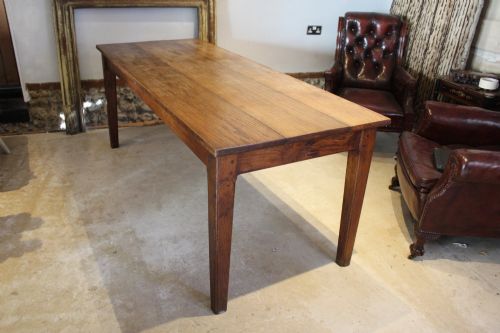
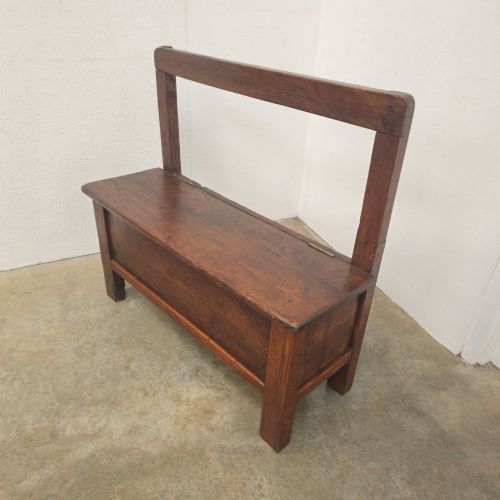
Stools and simple kitchen chairs appear frequently, alongside refectory benches, garden seating and low fireside armchairs. The forms reflect straightforward function, shaped by provincial makers using local hardwoods and softwoods.
How they were made
Construction relies on solid timbers including elm, oak, beech, ash, pine and fruitwood, often combined in a single piece such as an elm seat with ash spindles and beech legs. Makers utilised traditional joinery like wedged tenons, turned components and pegged joints to build durable frames.
Surfaces show the marks of hand tools, adzes and lathes, while secondary materials such as rush, leather and cast iron appear on specific regional or garden variants.
Vintage Rustic Seat Retail Price Guide 2026
Typical asking prices for vintage rustic seat among the pieces listed under this phrase on Sellingantiques today, from the lower quarter to the upper quarter. They describe what is for sale here now, not the wider market.
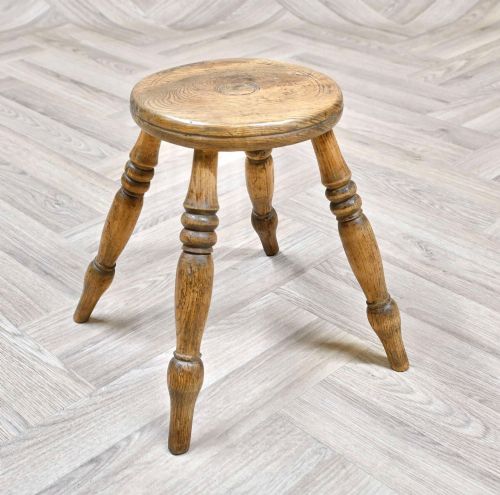
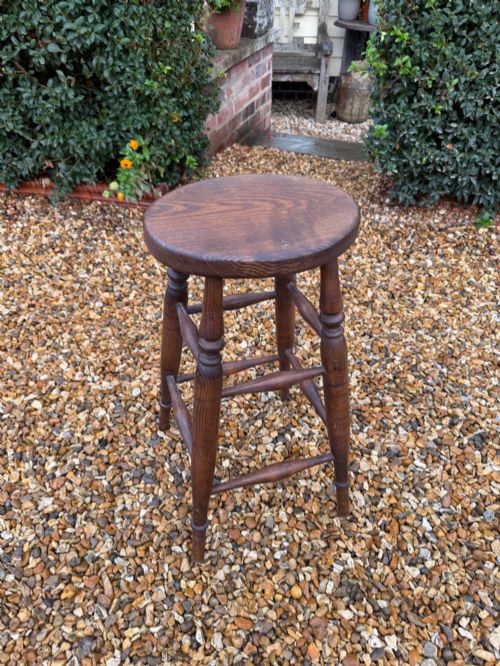
A scratch-built stool carries a tangible Winchester connection straight from the Saxon era into the nineteenth century.
What varies in quality
Quality rests in the integrity of the timber and the balance of the proportions, where an unpretentious dairy stool with deep adze marks on the seat demonstrates superior character to a later uniform production. The relationship between turned legs, spindles and thick plank seats dictates the visual strength of the piece.
Original surface patination, minimal structural replacement and honest wear from long use distinguish better examples from heavily restored or altered items.
The Vintage Rustic Seat Glossary
- Windsor
- A chair construction method where legs and back spindles are socketed directly into a solid wooden seat. This technique provides sturdy domestic seating with distinct regional stickback or hoop back profiles.
- Settle
- A wooden wooden bench with a high back, solid arms and enclosed lower storage or paneling designed to block drafts. These items served communal rooms and farmhouses.
- Refectory bench
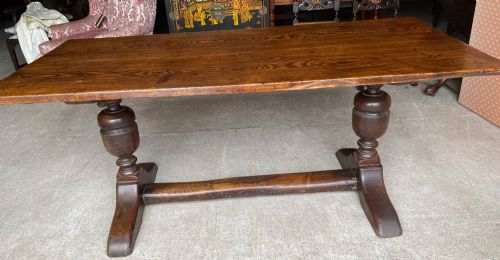
- A long, linear seating form featuring trestle or four-legged supports designed for communal dining tables. Examples appear in oak and heavy pine.
- Rush
- Dried marsh grass twisted into cords and woven tightly to form resilient seats for chairs and stools. This material provides a textured, flexible surface.
Vintage Rustic Seat: Frequently Asked Questions
What is a vintage rustic seat?
It is a utilitarian wooden chair, bench, stool or settle made during the eighteenth, nineteenth or early twentieth centuries for everyday use in kitchens, dairies, churches and farmhouses.
These pieces rely on solid timbers and straightforward construction rather than formal court styles, resulting in honest, practical furniture with distinct regional character.
How do I use a rustic bench at home?
Rustic benches and stools fit well in hallways, at dining tables, or as low side tables in living spaces. Their slim profiles suit narrow corridors and kitchens.
Pairing a wooden bench with softer textiles helps balance the hard surfaces of aged elm, pine and oak.
Which woods were used for these seats?
Makers utilised whatever local timber was accessible, most commonly elm for thick carved seats, ash and beech for turned spindles and legs, and oak or pine for structural framing.
Combinations of multiple woods within a single chair are typical, reflecting the practical sourcing habits of provincial joiners.
How can I tell the period of a rustic stool?
Dating relies on tool marks, construction methods, wood shrinkage patterns and the specific turning profile of the legs. Earlier pieces often show adze work and hand-split components.
Comparing the form to documented regional types helps narrow down the decade of manufacture.