


Vintage Rose Gold Watch
A vintage rose gold watch brings a warm, coppery lustre to the wrist, combining the precise mechanics of early horology with a distinctive rosy hue.
Vintage Rose Gold Watch
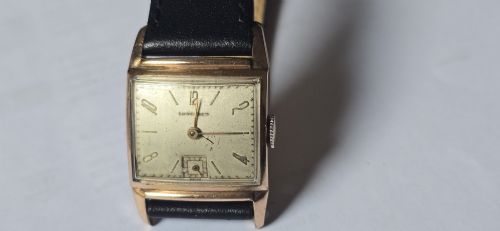
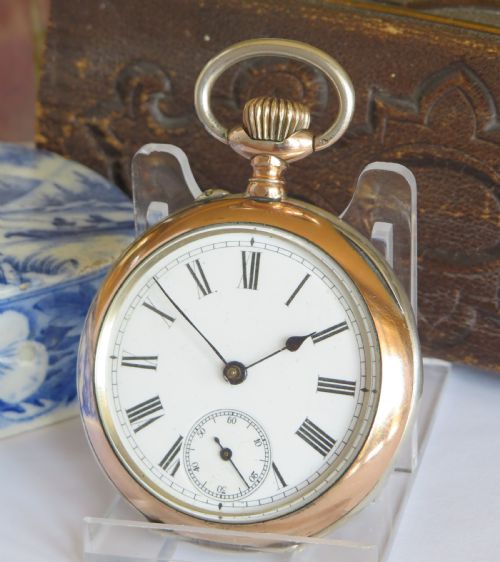
A vintage rose gold watch encompasses wristwatches, pocket watches, and associated chains or bracelets originating from the nineteenth and twentieth centuries. These pieces reflect the horological styles of Victorian, Edwardian, Art Deco, and mid-century periods, capturing eras when timepieces were built to personal order.
The most common examples on this page are 9ct rose gold pieces, often associated with pocket watch chains and wristwatches from the 1900s through the 1950s. Alongside these stand mechanical wristwatches and pocket watches housed in rose gold or rose gold filled cases.
Makers and origins span British firms, Swiss workshops, and American manufacturers, yielding both pocket watches with engine turned dials and wristwatches featuring manual wind movements.
Materials and Construction
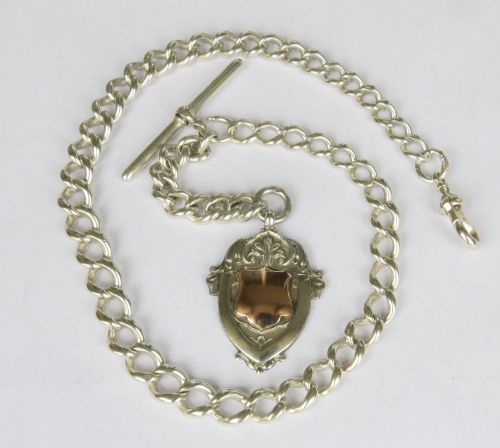
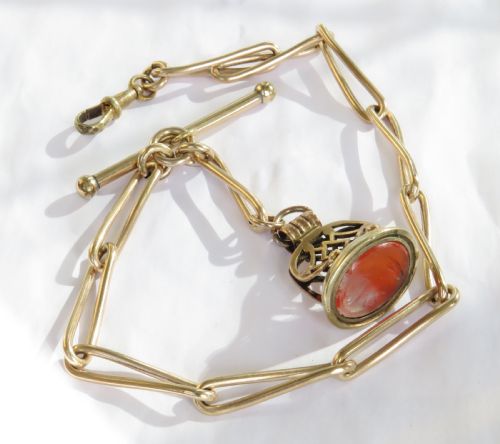
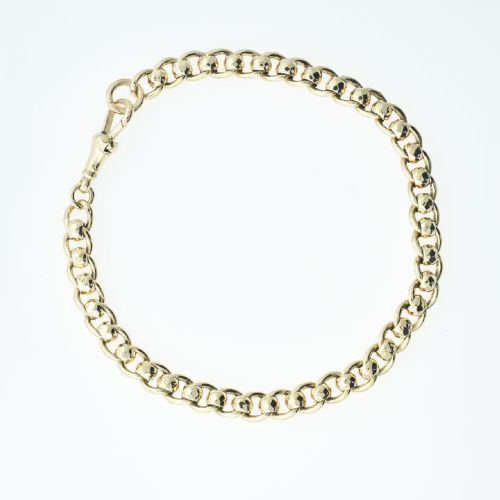
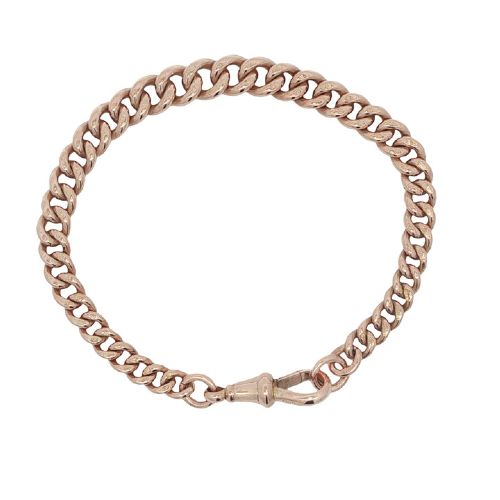
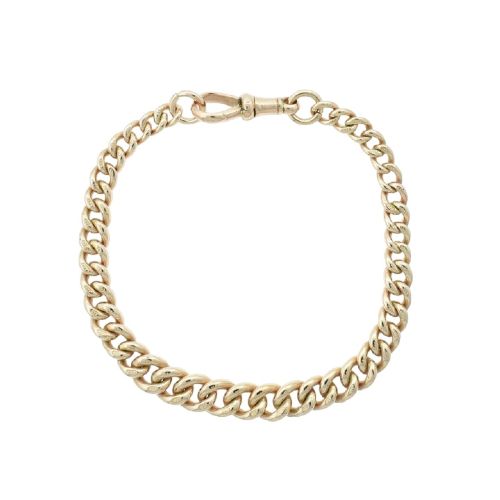
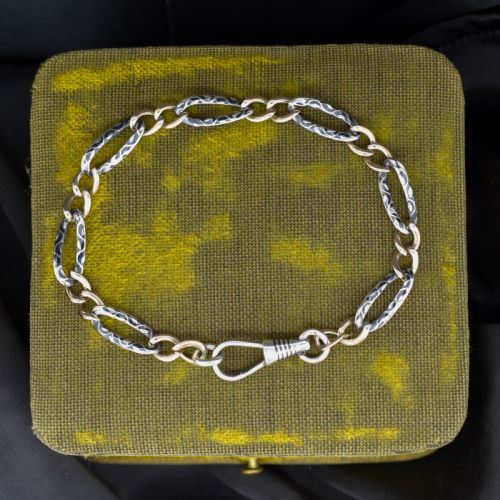
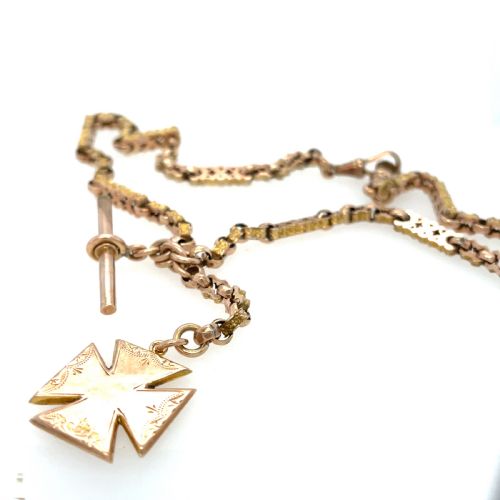
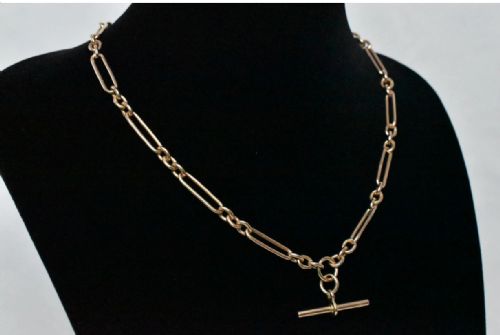
Construction relies heavily on 9ct rose gold, 14k rose gold filled metals, and silver, forming the cases, chains, and bracelets. These metals are frequently shaped into curb, trombone, fetter, and knot links for watch chains, or fashioned into robust circular wristwatch cases.
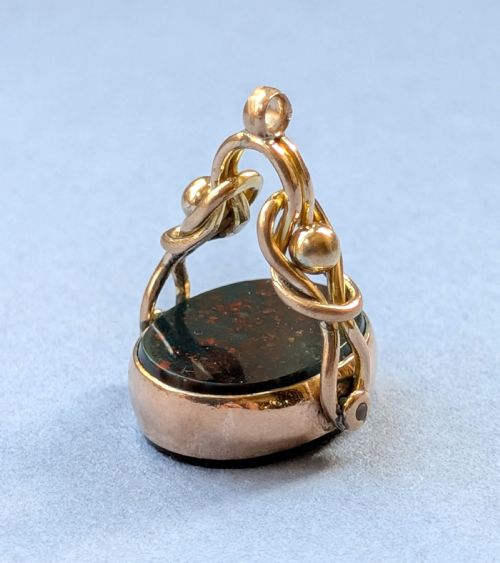
Movements incorporate internal glass crystals protecting the dial faces, while certain pocket watches and fobs integrate decorative elements like enamel and bloodstone. Components such as dog clips, T-bars, and split rings are hand-assembled to secure the timepieces.
Vintage Rose Gold Watch Retail Price Guide 2026
Typical asking prices for vintage rose gold watch among the pieces listed under this phrase on Sellingantiques today, from the lower quarter to the upper quarter. They describe what is for sale here now, not the wider market.
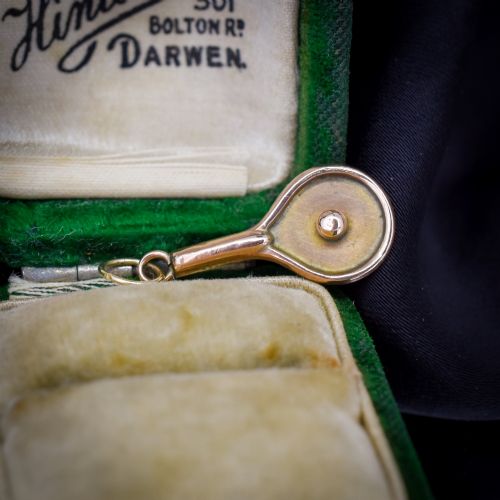
Time travel comes in small packages, particularly when a 1901 tennis racket charm dangles from a heavy Victorian rose gold chain.
Evaluating Quality
Quality differentiates by the weight and integrity of the gold work, visible in the substantial gram weight of solid 9ct rose gold chains compared to rolled or gold filled alternatives. The precision of engine turned dial patterns and the complexity of movements, such as chronograph or moonphase functions, elevate the standard of a piece.
The degree of original preservation matters greatly, distinguishing items that retain their unpolished case edges, clear hallmarks, and original clasps from those with heavy wear or replaced components.
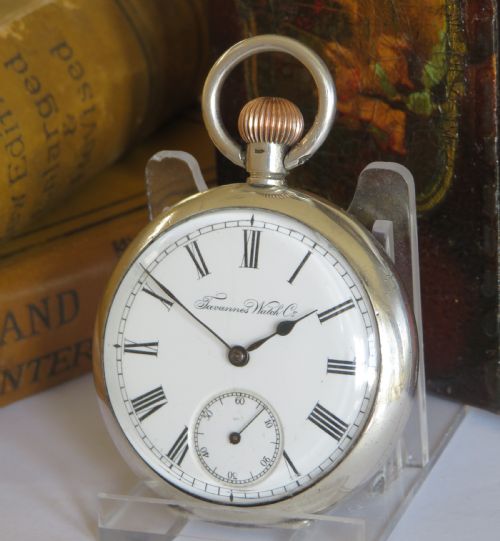
Omega·Tavannes·Rolex·Miramar·Tudor·Bulova
The Vintage Rose Gold Watch Glossary
- Albert chain
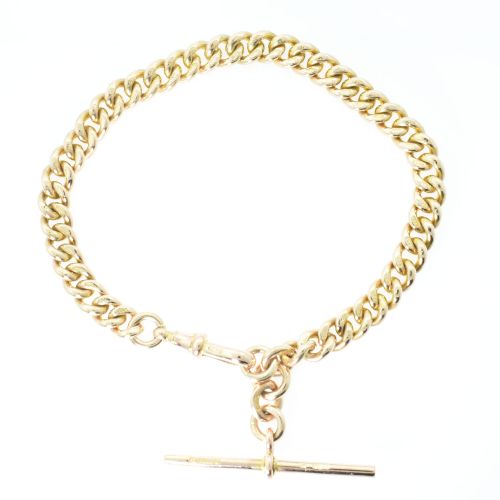
- A heavy watch chain designed to secure a pocket watch to a waistcoat or garment, often featuring a T-bar and dog clips at either end.
- Engine turned
- A decorative mechanical technique involving precise geometric patterns engraved into metal cases or dial faces.
- T-bar
- A small horizontal bar attached to the centre of an Albert chain used to anchor the chain through a buttonhole.
- Split ring
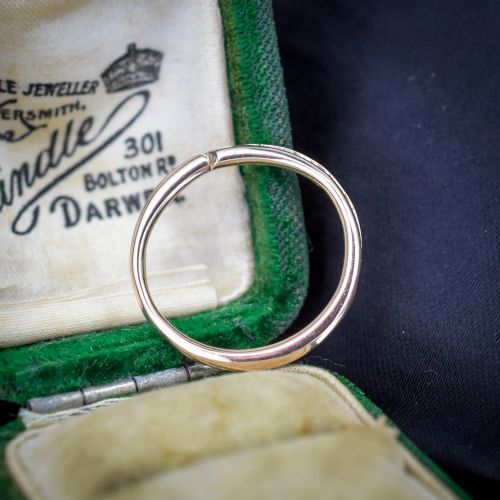
- A circular double-wired ring used as a secure connector for charms, fobs, and watch keys.
- Manual wind
- A mechanical watch movement that requires the wearer to turn the crown by hand to tension the mainspring.
Vintage Rose Gold Watch: Frequently Asked Questions
How do I wear a pocket watch chain?
A pocket watch chain is typically threaded through a waistcoat buttonhole, using the T-bar to anchor it securely in place. The watch itself rests in the pocket, while fobs or charms hang from the drop.
Alternatively, heavier chains like graduated Albert bracelets are frequently adapted to be worn as heavy necklaces or multi-wrap bracelets around the wrist.
What is the difference between solid rose gold and rolled gold?
Solid rose gold consists of gold alloyed across its entire thickness, giving it consistent material value and durability throughout the piece. It is often marked with specific fineness stamps such as 9ct.
Rolled rose gold or gold filled items feature a outer layer of gold mechanically bonded to a base metal core, offering the appearance of solid gold at a different scale.
How can I tell the period of a watch chain?
The period of a watch chain is often identified through its link styles, such as trombone, curb, or fetter and knot patterns popular during the Victorian and Edwardian eras. Hallmarks stamped onto the links or dog clips provide official assay office symbols and date letters.
Additionally, accompanying components like bloodstone fobs and swivel dog clips point directly to late nineteenth and early twentieth-century manufacturing conventions.