

Vintage Revival Table
A vintage revival table brings historical form into the modern interior, offering distinct periods and solid timbers that anchor a room.
Vintage Revival Table
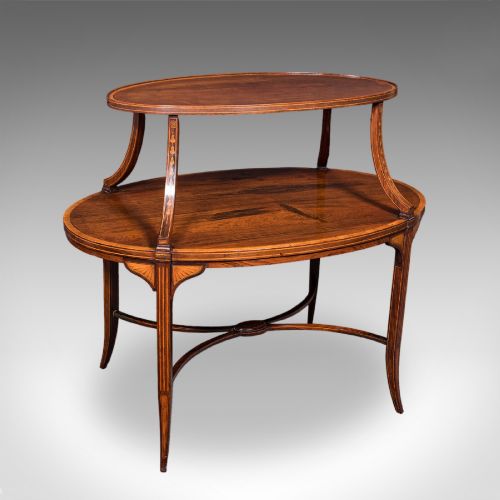
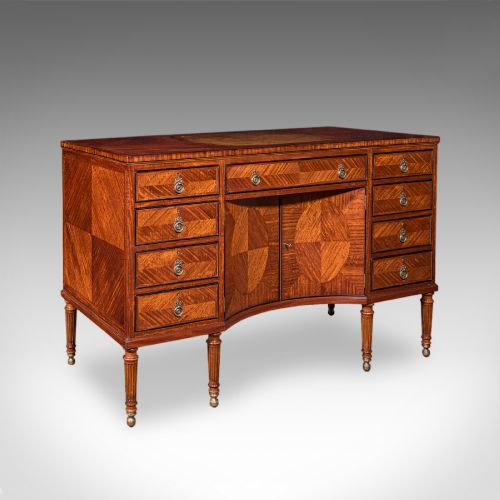
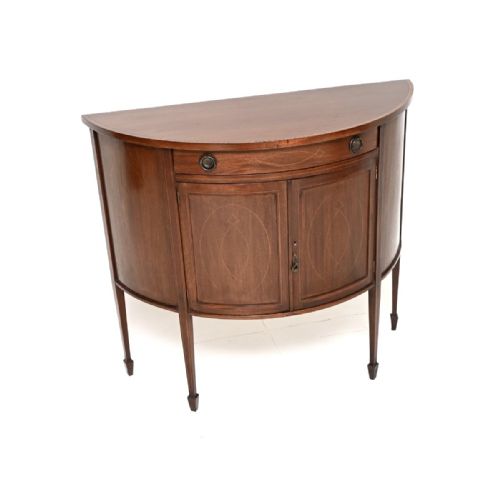
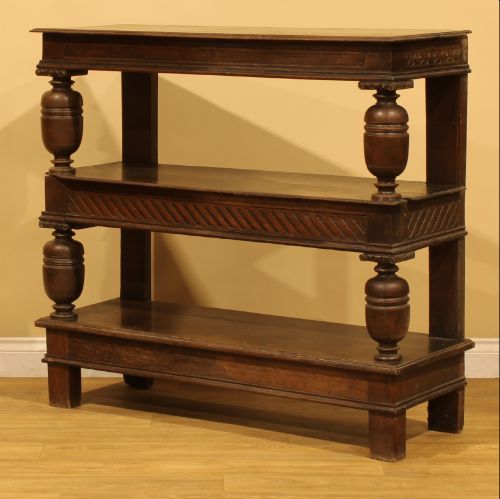
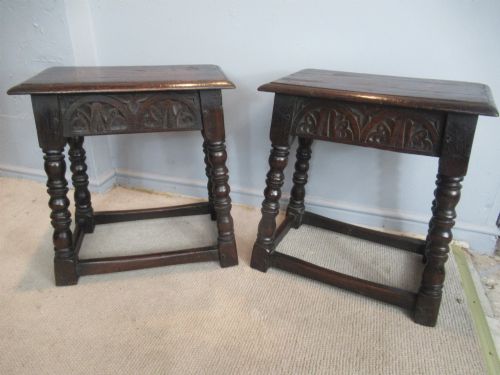
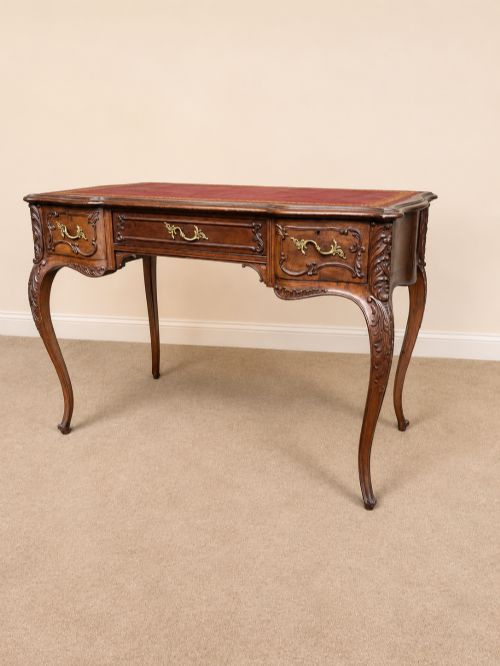
A vintage revival table spans dining surfaces, side pieces, and writing desks shaped by historical revivals from the Victorian era into the early twentieth century. These pieces interpret earlier periods such as Jacobean, Sheraton, and Louis XV through the craftsmanship of later decades.
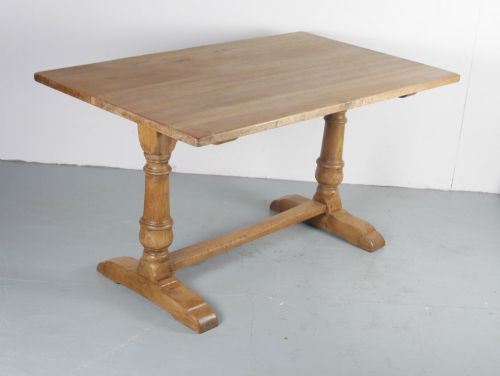
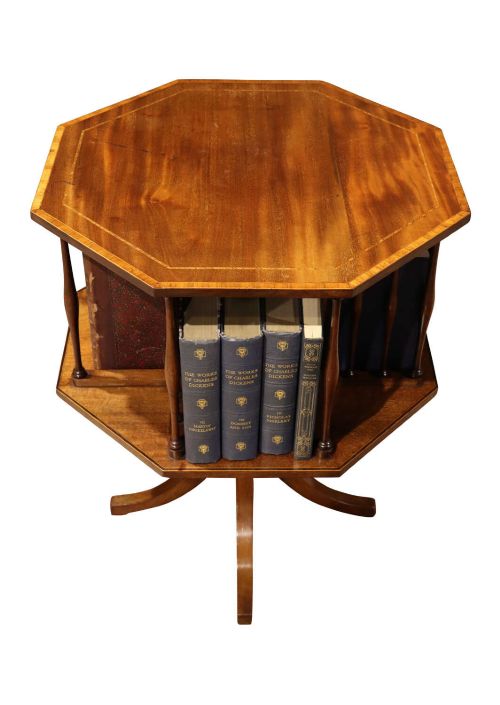
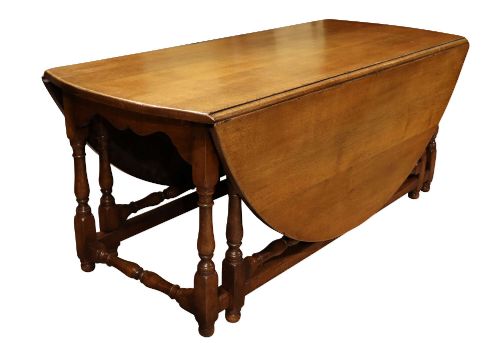
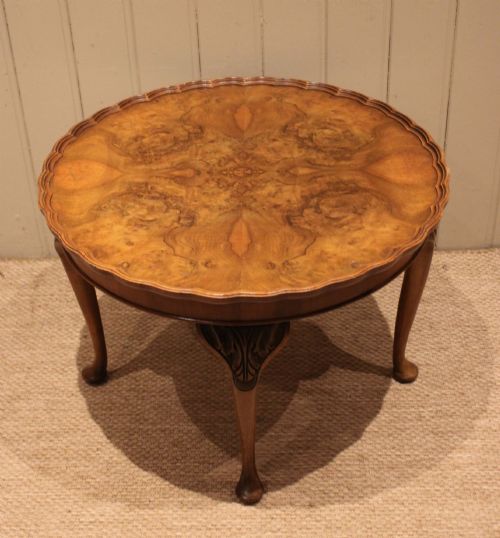
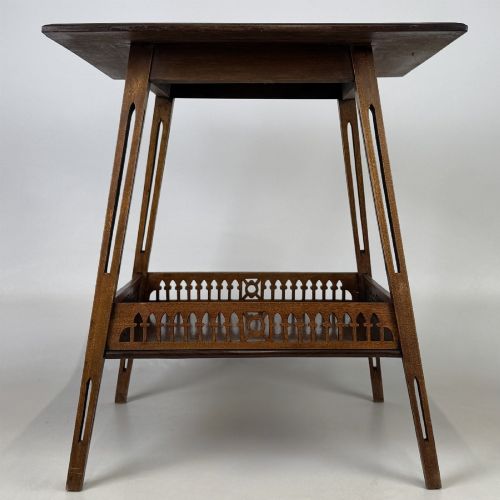
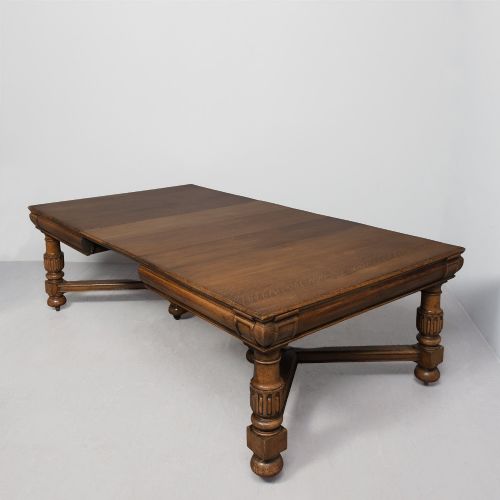
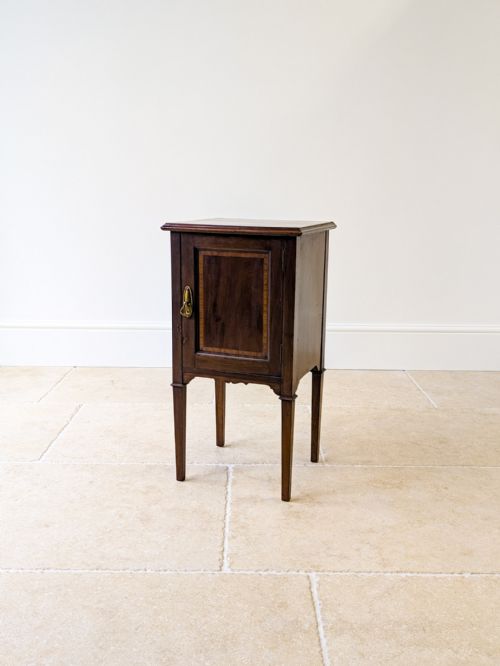
On this page, side tables, dining tables, and occasional tables in oak and mahogany appear most frequently alongside desks and lamp tables. The selection ranges from Edwardian inlaid mahogany to robust oak pieces built around nineteen-twenty.
Buyers choose these items to introduce character and period detail without relying on fragile antique originals. The construction often accommodates contemporary living while maintaining the visual weight of earlier designs.
Materials and construction methods
Makers relied heavily on solid oak and mahogany as the primary structural timbers, frequently pairing them with brass hardware, glass, fabric, and marble tops. Satinwood and giltwood also appear, adding contrasting tones and decorative enrichment to specific revival styles.
Joinery methods reflect traditional cabinet-making practices suited to each period, incorporating carved details, turned legs, and inlaid veneers. Surface finishes range from patinated brass and polished wood to hand-painted treatments applied during subsequent decades.
Vintage Revival Table Retail Price Guide 2026
Typical asking prices for vintage revival table among the pieces listed under this phrase on Sellingantiques today, from the lower quarter to the upper quarter. They describe what is for sale here now, not the wider market.
One occasional table doubles unexpectedly as a coffin stool and a sewing box, proving past owners valued practical versatility.
Qualities that distinguish individual pieces
Quality rests on the integrity of the timber selection and the precision of the carving or inlay work. Pieces displaying crisp hand-carved details and balanced proportions demonstrate superior workshop execution compared to simpler, mass-produced alternatives.
The choice of secondary woods and the condition of original hardware or marble inserts influence the overall standard. Sound structural joinery combined with well-preserved surface finishes separates standard utility items from finer examples.
Edwards & Roberts
The Vintage Revival Table Glossary
- Jacobean Revival
- A style popular in the late nineteenth and early twentieth centuries that copies seventeenth-century English furniture. It uses dark oak, heavy mouldings, and turned supports.
- Sheraton Revival
- A late Victorian and Edwardian movement imitating the neoclassical designs of Thomas Sheraton. It relies on mahogany, satinwood veneers, and delicate inlay.
- Louis XV Revival
- A decorative style reproducing the curves, asymmetry, and gilt finishes of eighteenth-century French furniture. Tables in this group often feature cabriole legs and marble surfaces.
- Refectory table
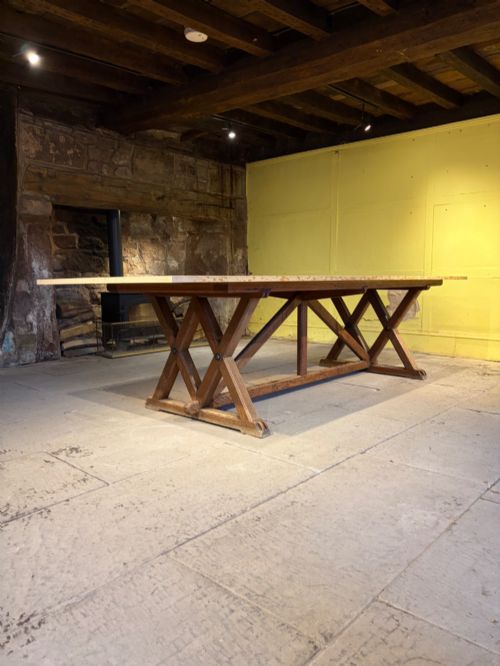
- A long, narrow dining table traditionally used in monasteries and large halls. Revival versions adapt this sturdy form for domestic dining spaces using oak.
Vintage Revival Table: Frequently Asked Questions
What is a vintage revival table?
A vintage revival table is a piece of furniture made in the nineteenth or twentieth century that copies historical design movements like Jacobean, Sheraton, or Louis XV.
These tables provide the aesthetic of much older eras while offering the structural stability of later manufacturing methods.
How do I style an oak revival table?
An oak revival table suits rooms that benefit from warm wood tones and strong architectural grain. Pair a side table or desk with simpler modern seating to let the period carved details stand out.
Keep decorative items minimal on the surface to highlight the timber and turned legs.
How do I identify a Sheraton revival table?
Look for light mahogany timbers combined with contrasting satinwood inlay and tapered legs. These pieces often feature oval or rectangular tops with symmetrical decorative banding.
Sheraton revival tables generally date from the Edwardian period or around nineteen hundred.
Where were these tables used originally?
Revival tables served various domestic functions depending on their specific form, from dining rooms and libraries to drawing rooms and hallways. Occasional and side tables held lamps or reading material, while desks functioned as home writing stations.
Their adaptable sizes allowed them to fit into formal and everyday spaces alike.