




Vintage Proposal Diamond Ring
A vintage proposal diamond ring carries the weight of decades past, offering enduring romance through old-cut stones and precious platinum settings.
Vintage Proposal Diamond Ring
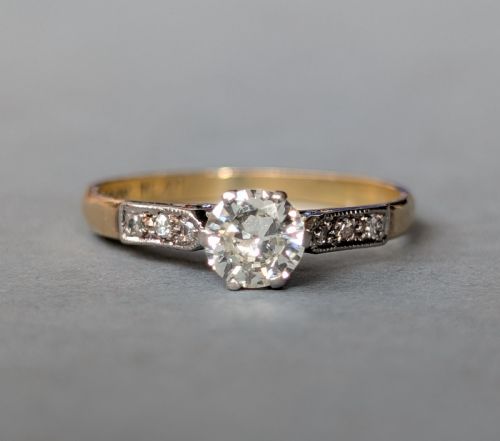
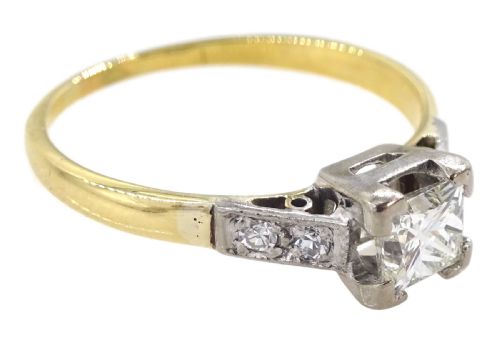
When you search for a vintage proposal diamond ring, you are looking at authentic rings that span from the 1920s through to the 1960s. These pieces represent significant mid-century and earlier design movements, encompassing distinct styles such as Art Deco and Mid-Century Modern.
The versions you are most likely to meet on this page take the form of solitaire engagement rings. They combine classic gold and platinum bands with stones chosen for their character.
Originating across several decades including the 1930s, 1940s, and 1950s, these rings show the evolution of diamond cutting and setting techniques. Each piece reflects the aesthetic priorities of its specific era, from geometric lines to softer curved mountings.
How they were made
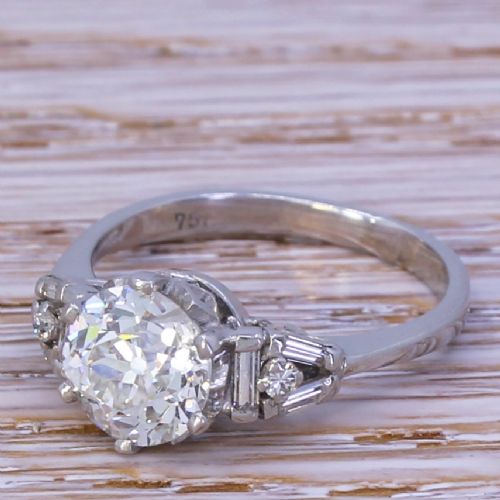
Craftsmen built these rings using durable precious metals such as platinum, yellow gold, and white gold, often pairing them in dual-metal constructions. Platinum provided a secure, bright setting for diamonds, whilst 18-carat yellow and white gold formed robust bands.
Stones were cut by hand during earlier decades, yielding brilliant cuts and old cuts with broader facets that catch candlelight and low light distinctively. Master jewellers set these diamonds securely into the metal mounts, using precision techniques common to the Art Deco and mid-century periods.
The selection spans five distinct decades, featuring pieces from the 1920s, 1930s, 1940s, 1950s, and 1960s.
What varies in quality
Quality in these rings is determined by the optical purity and cut quality of the diamond itself, alongside the integrity of the precious metal setting. Certified stones with high colour and clarity grades sit at the top of the range, offering exceptional brilliance.
The fineness of the metalwork and the preservation of the original setting distinguish superior examples. Rings that retain their crisp geometric lines or delicate organic curves without metal fatigue demonstrate the highest standard of period craftsmanship.
The Vintage Proposal Diamond Ring Glossary
- Solitaire
- A ring featuring a single diamond set alone on the band. This classic design focuses visual attention entirely on the central stone.
- Platinum
- A dense, silvery-white precious metal prized for its strength and durability. It holds delicate gemstone settings securely without tarnishing.
- Old cut
- A diamond cutting style used before modern brilliant standards were established. These stones feature smaller tables and larger culets, producing a unique, softer sparkle.
- Art Deco
- A design style spanning the 1920s and 1930s characterised by geometric symmetry and clean lines. Rings from this period often incorporate strong architectural motifs.
Vintage Proposal Diamond Ring: Frequently Asked Questions
How do I care for a vintage diamond ring?
Clean your ring gently using warm water, mild soap, and a soft-bristled brush to remove daily oils from beneath the diamond setting. Avoid harsh chemical cleaners that might affect the antique gold or platinum.
Have a professional jeweller inspect the prongs and settings periodically to ensure the diamond remains secure in its historical mount.
Can these rings be resized safely?
Most gold and platinum rings from the mid-century and earlier periods can be adjusted by a skilled jeweller. The process involves adding or removing a small section of metal from the band.
Special care must be taken with rings featuring intricate Art Deco shoulder work to preserve the original metal engraving and side stones.
What is the difference between old cut and modern cut diamonds?
Old cut diamonds were shaped largely by hand to maximise sparkle under candlelight or gaslight. They possess distinct facet arrangements compared to mathematically standardised modern stones.
This historical cutting method gives vintage stones a deeper, more romantic visual character rather than the sharp brilliance of contemporary cuts.
How can I tell the period of a ring?
Dating relies on stylistic clues such as the geometric motifs of Art Deco pieces or the smoother contours of mid-century designs. Hallmarks stamped inside the band also provide official markers for the metal purity and assay office.
Comparing the stone cutting style alongside the overall construction offers further evidence of whether a ring belongs to the 1920s, 1940s, or 1950s.