



Vintage Prismatic Shade
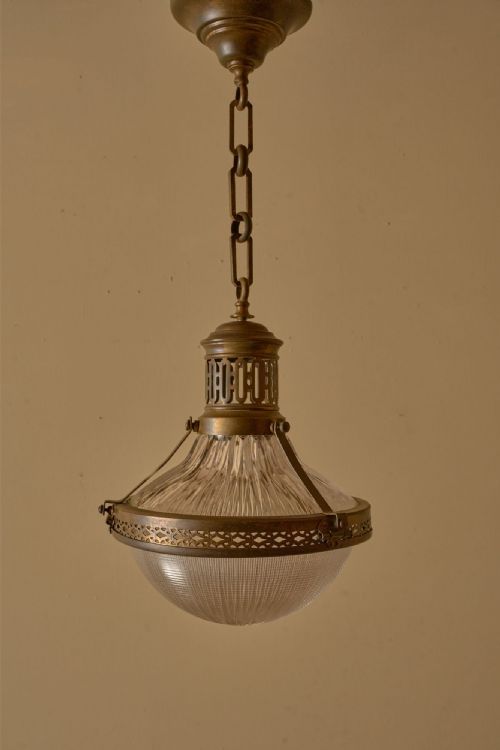
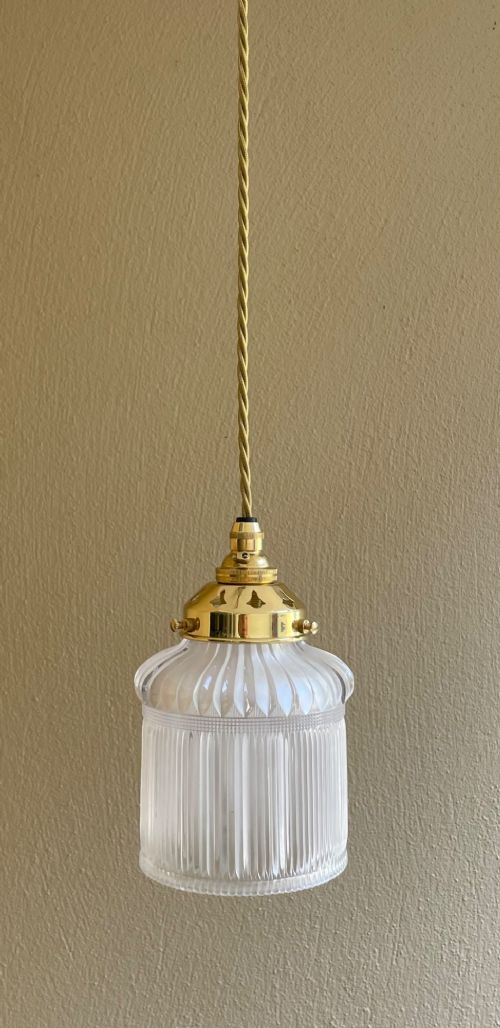
These vintage prismatic shade pendants deliver targeted industrial illumination, combining patterned glass optics with robust galleries.
Vintage Prismatic Shade
When you search for a vintage prismatic shade, you find industrial pendant lights designed to diffuse harsh task lighting evenly across a workspace. These fixtures emerge predominantly from the Edwardian era through the nineteen-forties, spanning industrial styles and nineteenth-century origins.
The versions you meet most frequently on this page feature moulded glass shades paired with metal fitters. They appear in forms such as bell pendants and double prismatic designs, often suspended from brass or chrome galleries.
How they were made
Maker workshops formed these shades from thick pressed glass, cutting exterior prisms precisely to refract light downward without glare. This optical glass combined with metal components like cast iron, brass, and chrome to form the structural body.
Makers mounted the glass shades into specialised metal galleries that secured the pendant safely to wiring and hanging hardware. The resulting industrial construction prioritized functional durability alongside optical performance.
Vintage Prismatic Shade Retail Price Guide 2026
Typical asking prices for vintage prismatic shade among the pieces listed under this phrase on Sellingantiques today, from the lower quarter to the upper quarter. They describe what is for sale here now, not the wider market.
Listings feature pendant lights spanning the Edwardian period through nineteen-forties industrial styles, constructed from brass, chrome, and prismatic glass.
What varies in quality
Quality separates along the clarity and weight of the glass, with heavier prismatic mouldings providing superior light diffusion. The sophistication of the metal gallery, whether finished in polished brass or chrome, also marks the grade of the pendant.
Larger diameters and double prismatic configurations represent more ambitious manufacturing efforts than standard bell pendants. The integrity of the glass surface and the original finish of the metal fittings determine the standing of each piece.
Holophane
The Vintage Prismatic Shade Glossary
- Gallery
- The metal collar or fitter that grips the top of the glass shade and connects it to the suspension cord. This component provides structural support and often bears the maker's markings.
- Prismatic glass
- Pressed glass patterned with small ribs or prisms designed to refract light efficiently. It reduces glare while maximising downward illumination.
- Bell pendant
- A hanging light fixture featuring a shade shaped like a traditional bell. This form directs light into a focused cone below.
- Double prismatic
- A shade construction utilising two layers of optical glass for enhanced light control. It represents a more complex manufacturing technique.
Vintage Prismatic Shade: Frequently Asked Questions
What is a vintage prismatic shade?
A vintage prismatic shade is a pressed glass light fixture designed in the industrial style to diffuse task lighting. These pieces use exterior prisms to spread illumination evenly.
They date from periods including the Edwardian era and the mid-twentieth century, typically hanging as pendant lights from metal galleries.
How do you hang a pendant light?
Hanging these pendants involves securing the metal gallery to a ceiling rose and wiring the fixture safely into the mains supply. The weight of the glass shade requires sturdy suspension hardware.
Professional installation ensures that brass or chrome galleries support the fitting securely without straining the vintage wiring.
How do I clean prismatic glass?
Cleaning prismatic glass requires gentle washing with warm soapy water and a soft cloth to reach inside the moulded ribs. Harsh chemicals can damage the vintage glass surface or the metal gallery.
Careful drying prevents water spots from settling in the detailed optical grooves of the shade.
Where were these lights used?
These industrial pendant lights originally illuminated factories, workshops, and Edwardian public buildings where focused task lighting was essential. Their optical design prevented workers from experiencing glare.
Today, they transition into domestic interiors, hanging over kitchen islands or dining tables to provide practical downward illumination.