


Vintage Pottery Table Lamp
These vintage pottery table lamps bring tactile weight and artisanal glaze to a room, spanning centuries of ceramic craft.
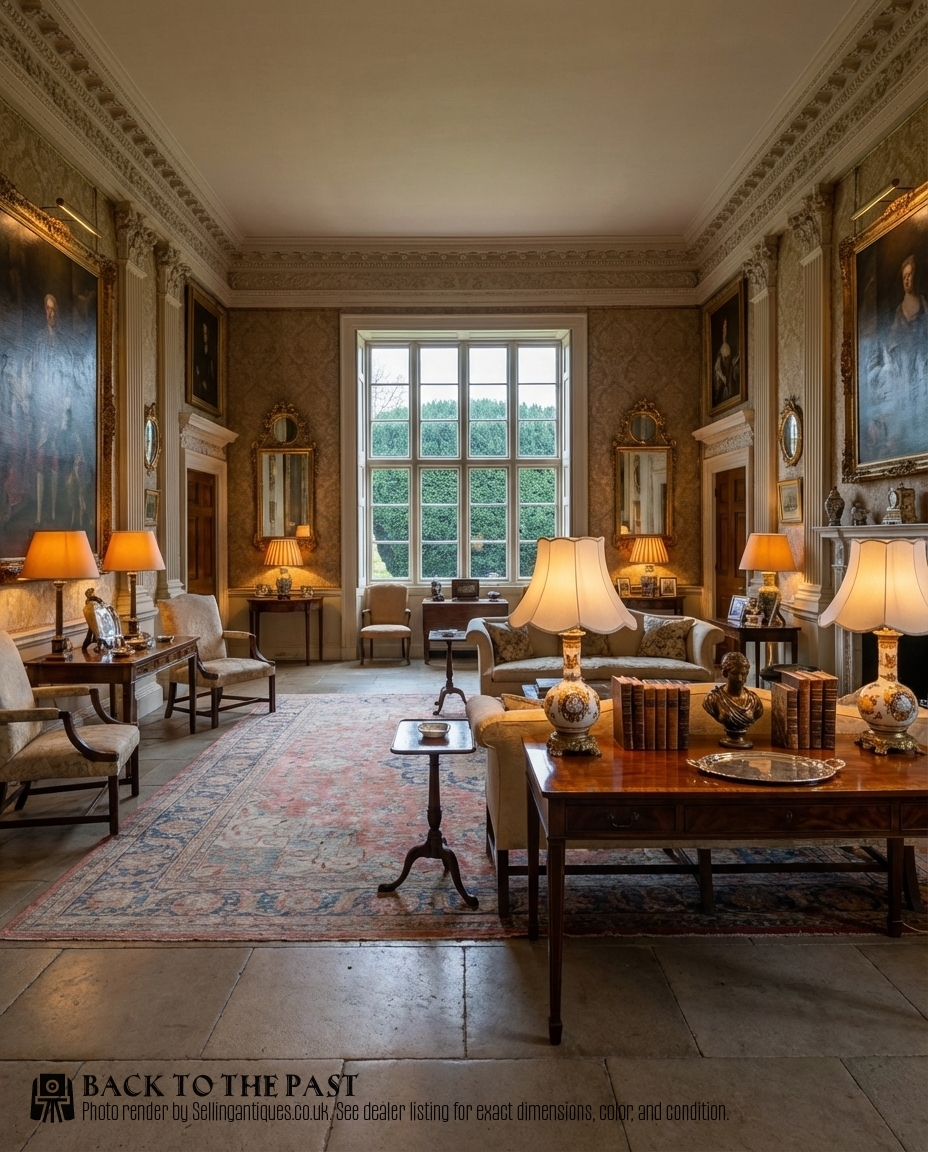
Vintage Pottery Table Lamp
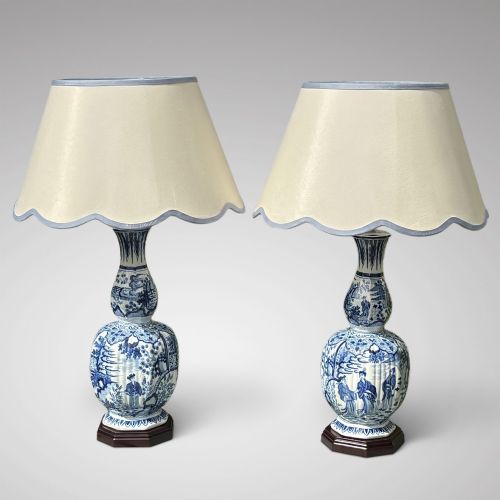
A vintage pottery table lamp combines utilitarian lighting with decorative ceramic forms drawn from varied global traditions. When buyers search for vintage pottery table lamp options, they encounter everything from converted Dutch Delftware vessels to robust Art Deco earthenware.
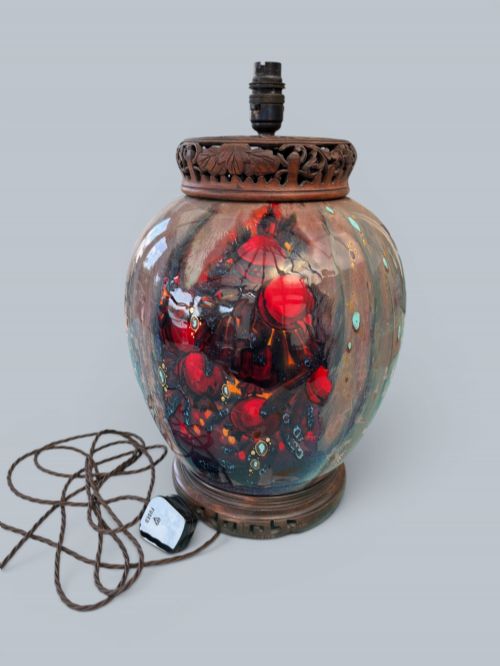
The selections on this page lean heavily towards transformed vases and jars, ranging from nineteenth-century Satsuma wares to twentieth-century Denby and Moorcroft productions. These pieces bring distinct historical character and handmade irregularity to domestic interiors.
Materials and construction methods
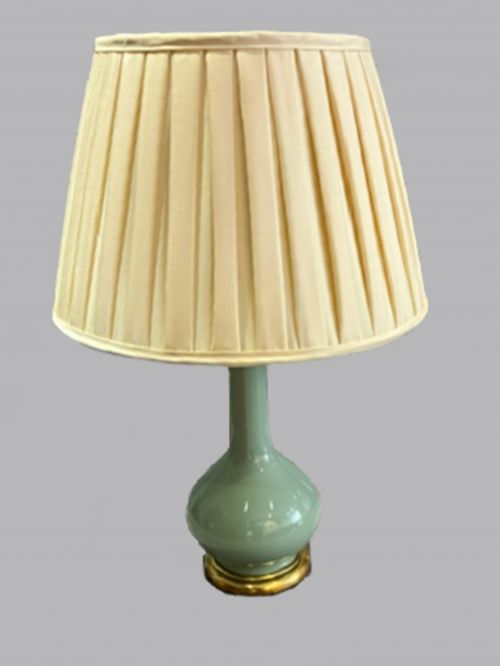
Many of these lamps originate from thrown or moulded ceramic bodies, utilising earthenware, porcelain, or majolica as a base. Artisans applied hand-painted glazes, often incorporating cobalt blue, celadon, or rich polychrome enamels before firing.
Conversion from original vessel function to electrical lighting typically involves drilling the ceramic body or mounting it securely with brass fixtures. Fabric shades and wooden elements frequently complete the assembly, pairing structural stability with decorative appeal.
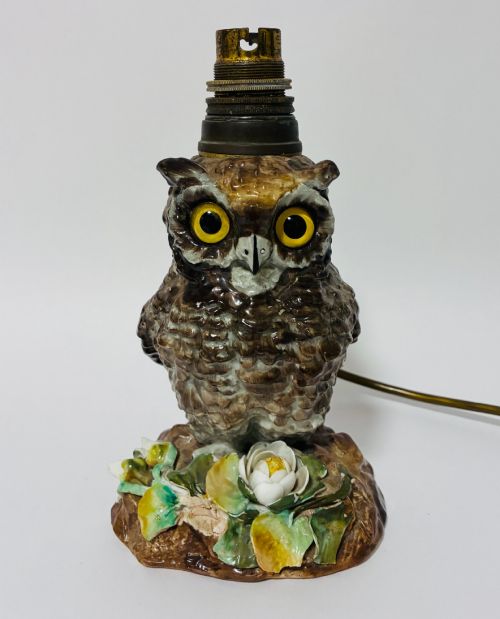
An unusually wise Victorian ceramic owl lamp base watches over the collection, proving that lighting can be delightfully eccentric.
Markers of superior craftsmanship
Quality rests primarily in the finesse of the ceramic body, the complexity of the hand-painted glaze, and the integrity of the conversion process. Superior examples display crisp detail in Satsuma or Delft painting without heavy restoration or cracks.
The balance between the original vessel and its mounted hardware dictates visual success. Finer pieces retain their proportion and decorative harmony, whereas lesser specimens often suffer from intrusive drilling or clumsy mountings.
Moorcroft·Denby Ware·Royal Doulton
The Vintage Pottery Table Lamp Glossary
- Earthenware
- Porous pottery fired at lower temperatures, commonly found in older table lamps. It usually requires a glazed surface to remain watertight.
- Celadon
- A pale green glaze originating in East Asia, prized for its subtle jade-like appearance. It appears on several nineteenth-century French and Asian ceramic bases.
- Majolica
- Opaque tin-glazed earthenware decorated with brightly coloured metal oxides. This technique produces vivid hues on Italian and European lamp bases.
- Satsuma
- Japanese pottery characterised by a crackled ivory glaze and heavy polychrome enamel decoration. These wares were frequently adapted into decorative lamps.
- Delftware
- Tin-glazed earthenware originating in the Netherlands, traditionally painted in cobalt blue. Surviving examples are often converted into striking table lighting.
Vintage Pottery Table Lamp: Frequently Asked Questions
Are these lamps safe to use today?
Most older lamps require modern rewiring to meet contemporary safety standards. A qualified electrician can easily update the internal flex and plug while preserving the historic base.
Buyers should inspect the lampholder and cord condition upon arrival. Professional PAT testing provides complete peace of mind for daily domestic use.
How do I date an antique ceramic lamp?
Dating relies on stylistic markers, glaze characteristics, and any maker marks stamped or painted on the ceramic base. Comparative analysis of period motifs helps narrow down the decade of production.
The mounting hardware and wiring style also offer clues, though brass fittings are frequently replaced over time. Examining the unglazed footring often reveals the true age of the ceramic body.
Can I replace the lampshade safely?
Replacing the shade is straightforward provided the fitter matches the original harp or shade carrier. Proportion is key when selecting a replacement to ensure it balances the ceramic base.
Consider the weight and colour of the pottery when choosing fabric textures. A neutral linen shade often complements busy hand-painted glazes without causing visual competition.