
Vintage Portrait
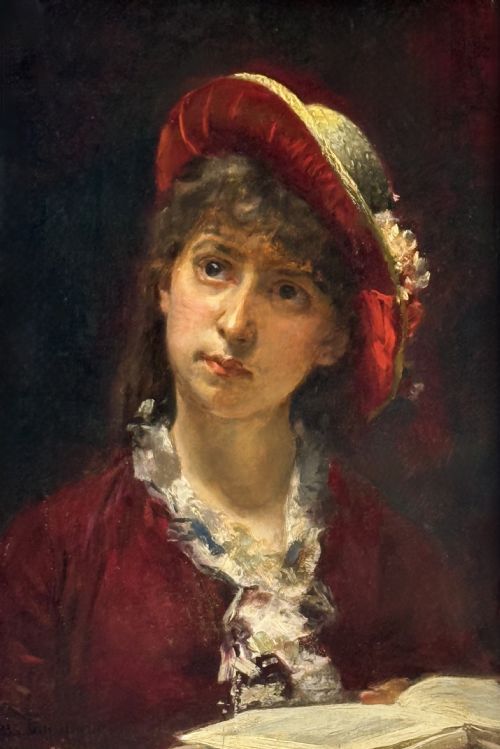
When you search for a vintage portrait, you encounter painted miniatures, oil canvases and drawings spanning several centuries.
Vintage Portrait
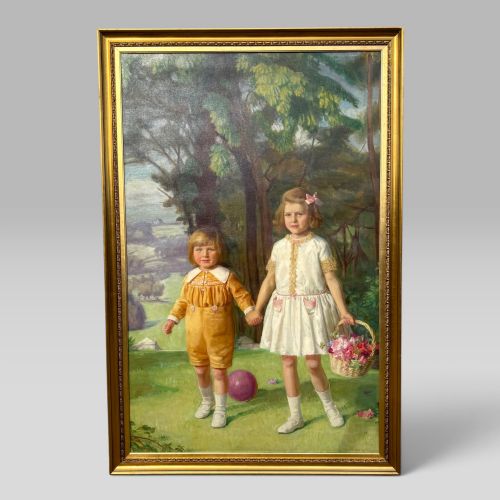
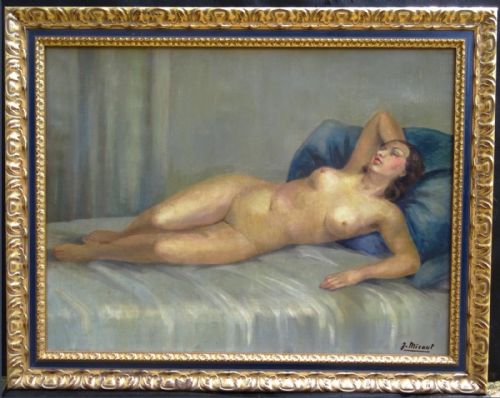
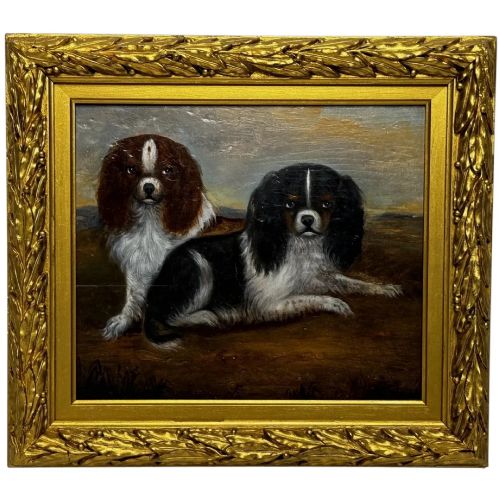
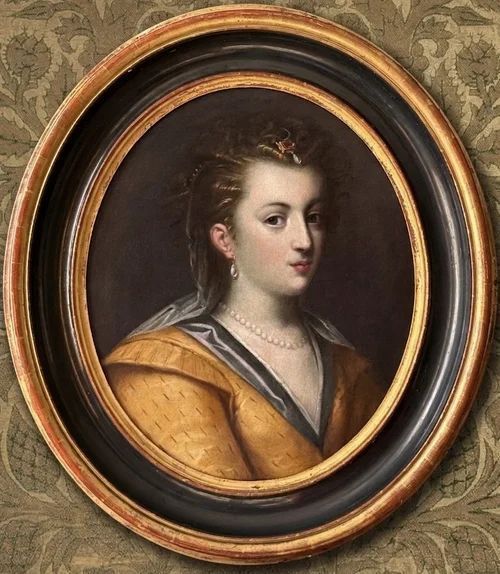
A vintage portrait captures human subjects, animals or nobility across diverse media from oil paint to paper.
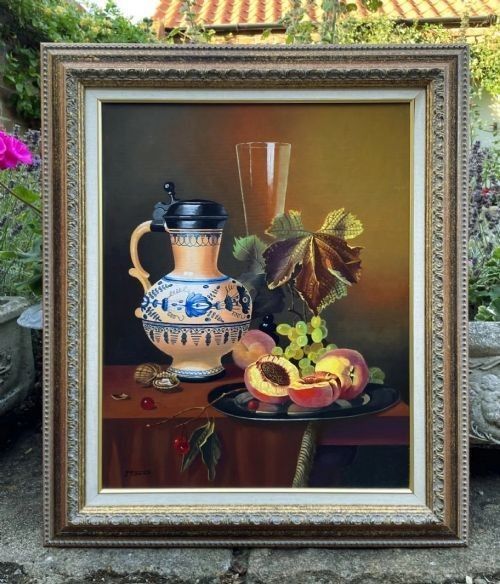
The versions most common here range from nineteenth-century oils and Edwardian watercolours to mid-century works and silver picture frames.
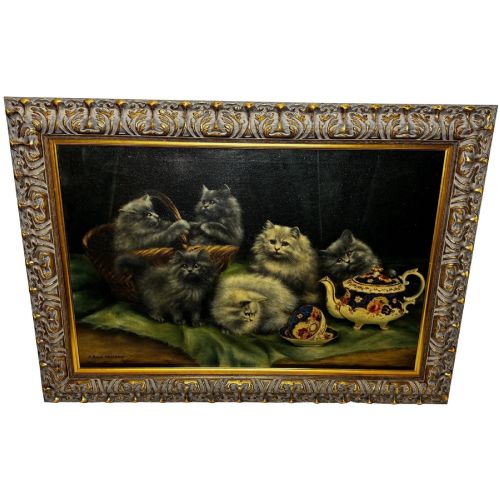
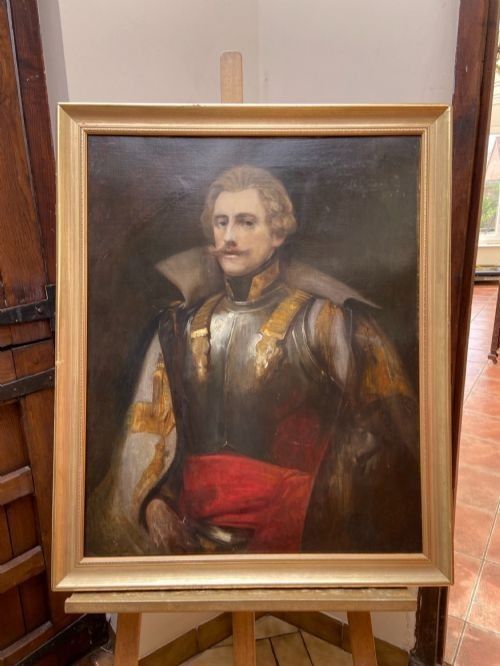
Subjects include noblewomen, military officers, children and domestic animals executed in styles from Victorian realism to Art Deco.
Materials and construction
Makers utilised oil paint on canvas, watercolour and ink on paper, alongside metals and wood for framing.
Techniques combine traditional brushwork on stretched canvas with delicate miniature painting on paper and framed sterling silver settings.
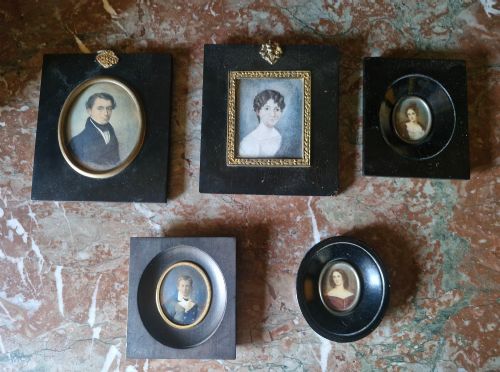
Listings include oil paintings, watercolour drawings, silver photo frames and miniature portraits across multiple centuries.
Quality factors
Execution depth separates routine decorative pieces from accomplished works attributed to named artists or specific schools.
Materials dictate standard; original canvases with period frames and intact paper miniatures command greater attention than later reproductions.
Agnes Augusta Talboys·Lionel Ellis·Henry Barraud·Walter Robin Jennings
The Vintage Portrait Glossary
- Oil on Canvas
- Pigment mixed with drying oil applied to stretched fabric. This method provides depth of colour and texture characteristic of traditional painting.
- Portrait Miniature
- A small-scale painting executed on paper or vellum. These portable items often depict individual sitters in fine detail.
- Mezzotint
- A printmaking process where the copper plate is roughened to achieve tonal gradations. It allows for smooth transitions of light and shadow.
- Gilt
- A thin layer of gold applied to wood or metal surfaces. It provides a decorative metallic finish on picture frames and decorative objects.
Vintage Portrait: Frequently Asked Questions
What periods do these pieces span?
The selections encompass items from the eighteenth, nineteenth and twentieth centuries, including Georgian, Victorian and Edwardian examples.
Later pieces extend through the nineteen-fifties and sixties alongside photographic prints and silver frames.
How do I identify a miniature?
Miniatures are small-scale works typically painted on paper or vellum within protective frames.
They concentrate on intimate facial details rather than full-scale bodily composition.
Are animal subjects included?
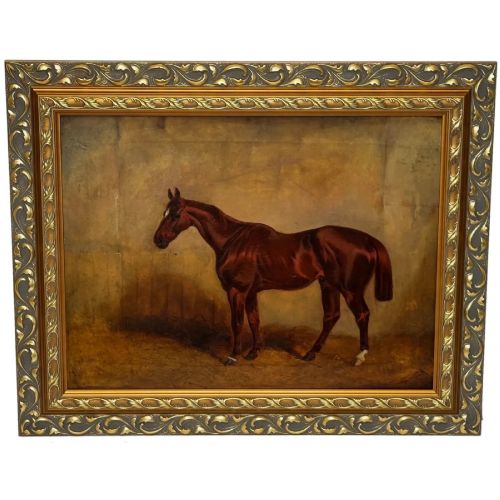
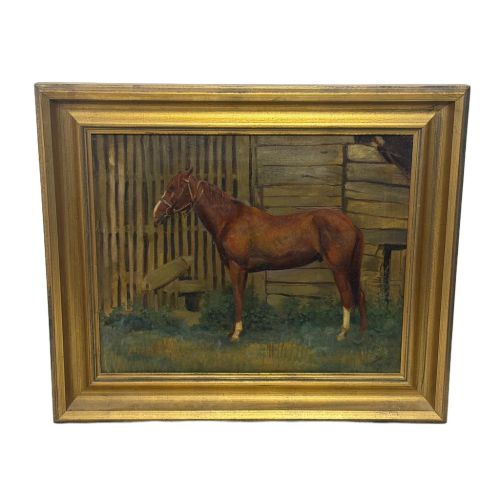
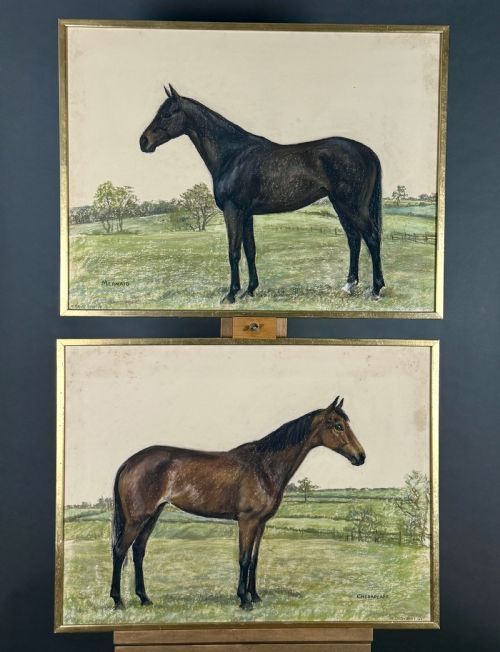
Equine studies, dogs and cats appear frequently among the painted canvases and pastel drawings.
Artists often recorded prized horses, gundogs and working terriers alongside human subjects.
What framing styles appear?
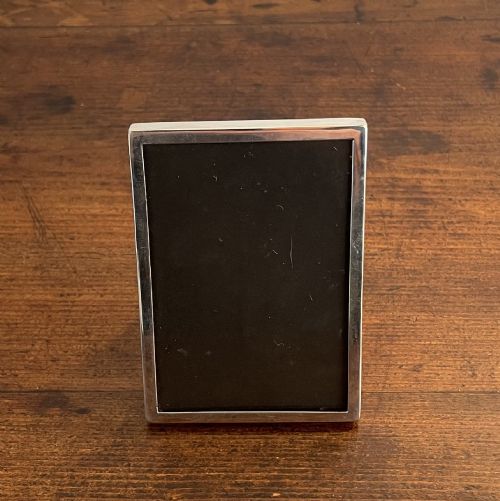
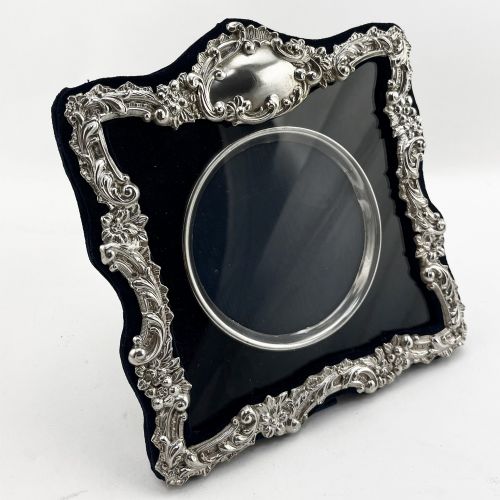
Original housings include wooden picture frames and sterling silver photograph holders.
Silver examples date predominantly to the Edwardian era while paintings retain period wood surrounds.