



Vintage Plant Stool
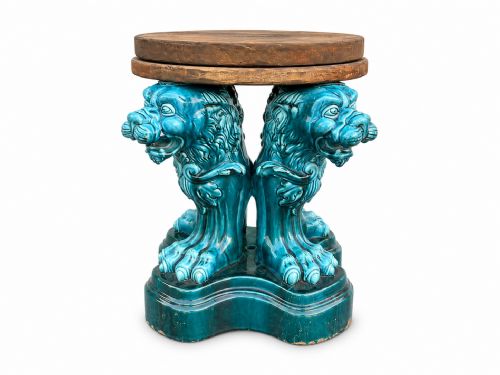
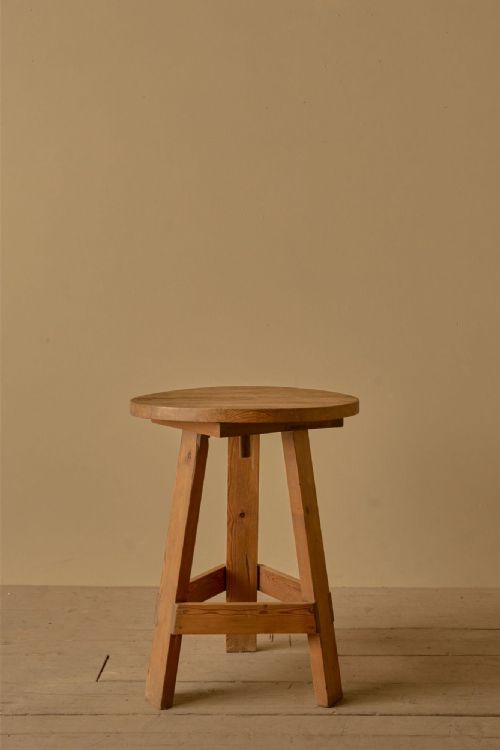
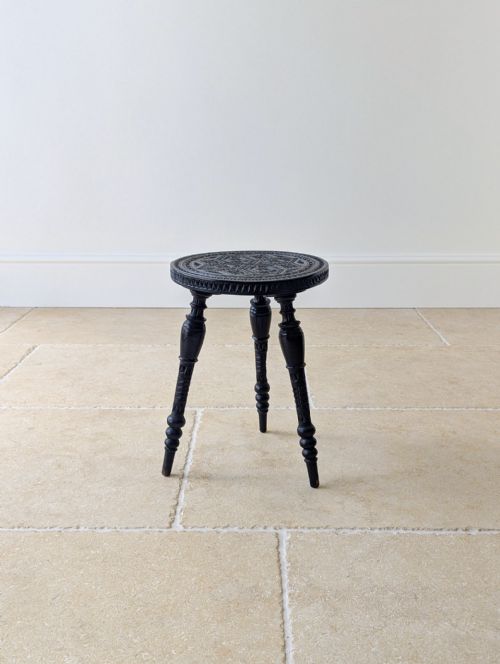
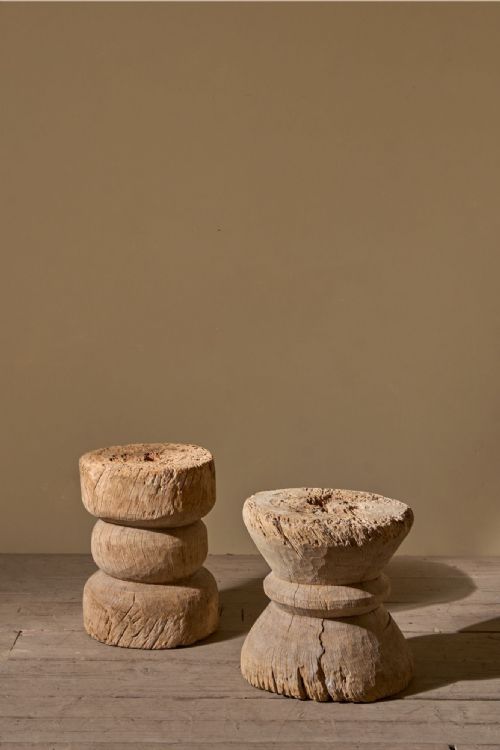
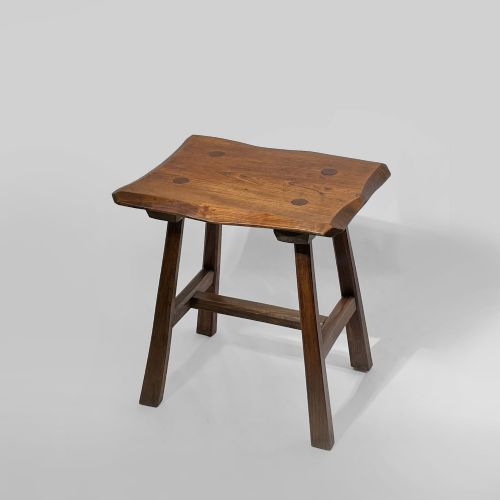
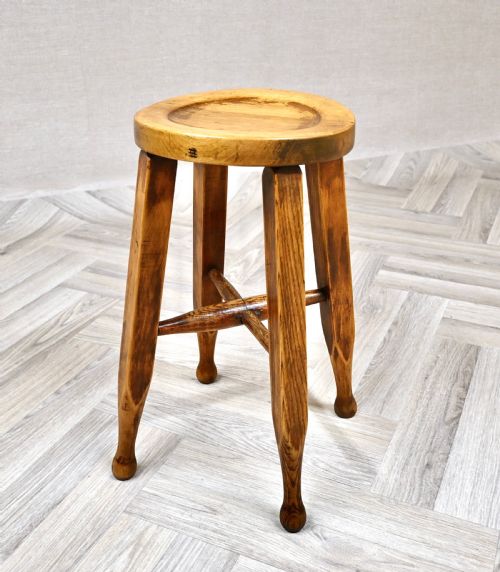
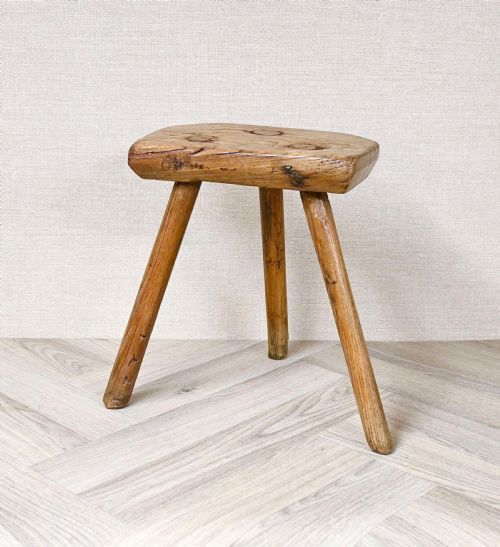
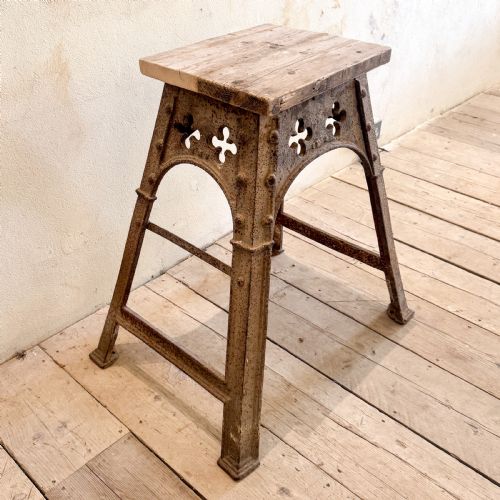
These vintage plant stool pieces range from rustic timber blocks to intricate carved stands, serving to elevate greenery or display objects with distinct character.
Vintage Plant Stool
A vintage plant stool bridges utility and display, taking forms such as small side tables, low stools, garden seats, and dedicated pedestals. The selection spans robust nineteenth-century oak and pine forms alongside decorative Asian hardwood and lacquer pieces.
Buyers encounter items originating from diverse traditions, including rustic vernacular European designs, Anglo-Indian carved tables, and Chinese rosewood stands. These objects function effectively as single accent pieces or paired supports for botanical displays.
Materials and construction methods
Construction relies heavily on solid woods such as oak, elm, pine, teak, and fruitwood, often shaped by hand into jointed frames or carved surfaces. Selected pieces incorporate contrasting elements like marble tops, bone inlay, or cloisonne details.
Joinery techniques range from traditional pegging in joint stools to chip-carved decoration, pokerwork, and intricate pierced carving found in regional workshops. Finishes vary from ebonised wood and lacquer to natural live-edge tree trunks.
Vintage Plant Stool Retail Price Guide 2026
Typical asking prices for vintage plant stool among the pieces listed under this phrase on Sellingantiques today, from the lower quarter to the upper quarter. They describe what is for sale here now, not the wider market.
Materials in this category range from native European hardwoods like oak and elm to exotic teak, rosewood, and marble.
Distinctions in quality
Quality rests upon the integrity of the timber and the depth or crispness of the hand-carving. Pieces featuring integrated materials like inset marble or detailed bone inlay demonstrate greater complexity in execution.
Proportion and structural stability separate standard utilitarian blocks from finely balanced display furniture. Original surfaces, untouched patination, and coherent regional styling elevate the standing of individual examples.
The Vintage Plant Stool Glossary
- Joint stool
- A sturdy wooden stool constructed with mortise and tenon joints, commonly associated with early oak furniture. It provides a stable flat platform suitable for heavy pots or sculptures.
- Chip-carving
- A decorative technique where small chips are removed from a wooden surface to create geometric patterns. This method appears on nineteenth-century occasional tables and stools.
- Pokerwork
- A method of decorating wood by burning designs into the surface using heated metal tools. Scottish examples sometimes incorporate traditional mottoes or lettering.
- Cloisonne
- An enamelwork technique using metal wire compartments soldered to a base and filled with coloured paste. It decorates select imported tables found within this category.
Vintage Plant Stool: Frequently Asked Questions
How do I use a plant stool safely?
Ensure the top surface sits level and check that the leg joints remain secure before placing heavy ceramic pots or planters upon the stand. Felt pads placed underneath prevent moisture rings and protect both the furniture surface and the floor.
Position items centrally to maintain balance, particularly on taller pedestals or three-legged tripod designs. Regular dusting maintains the finish without introducing excess moisture to older timber or veneer.
What periods do these stands cover?
The pieces span from the eighteenth century through the Victorian and Edwardian eras into the early twentieth century. Common stylistic revivals include Jacobean influences and regional vernacular traditions.
Asian imports from the nineteenth and early twentieth centuries feature alongside British country pine and oak items. Each era brings distinct turning methods and decorative motifs to the category.
Are marble top stands durable?
Marble inserts provide a heat and moisture resistant surface well suited for holding damp plant pots or vases. The stone sits within a wooden frame, requiring careful handling during relocation to avoid chipping the edges.
Cleaning requires mild soap and water rather than harsh chemical agents that might dull the polish. The underlying hardwood structure needs standard wax maintenance to preserve the timber grain.
How do I distinguish regional styles?
British country pieces rely on utilitarian forms like milking stools, elm blocks, and bobbin-turned oak frames. In contrast, Anglo-Indian and Burmese items display dense figural carving depicting elephants, foliage, and geometric motifs.
Chinese and Japanese pieces incorporate rosewood, lacquer, and marble inserts with restrained joinery or intricate pierced aprons. Examining the timber species and carving technique clarifies the geographic origin.